
 Kettles
 Projectors
 Air Purifiers
 Headphones
 Smartwatches
 Humidifiers
 Keyboards
 Tablets
 Microphones
 Speakers


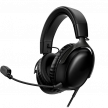
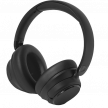

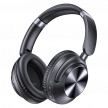

Gaming headsets are the heart of your game audio, carrying everything from quiet environmental details to frantic team callouts. As competitive and casual gaming both evolve, expectations for clear microphones and accurate positional sound have risen sharply.
This guide walks you through current gaming headsets, explains the specs that matter, and points you toward smart choices at different budgets.
Unique Features of Gaming Headsets
Gaming headsets are built around the needs of players rather than music listeners. They usually pair over ear headphones with a boom microphone for instant voice chat.
Many models add virtual surround or 3D audio, low latency wireless modes, on headset controls, and customization software, all wrapped in a design that leans into a bold gaming style. These extras distinguish them from regular headphones and make them a one stop solution for play, chat, and streaming.
Key Specs & Features Explained
Comfort & Fit (Padding, Weight, Clamp Force)
Comfort is often the most important factor, because even amazing sound does not matter if the headset hurts after an hour. Thick, soft ear cushions with memory foam and a padded headband spread the pressure around your head so nothing digs in. Leatherette style pads block more outside noise but can feel warmer, while fabric or mesh pads breathe better at the cost of some isolation.
Weight also matters. Roughly speaking, headsets around 300 g or less tend to feel light for long sessions, while heavier wireless models compensate with suspension headbands and deep padding to spread the load.
Clamp force describes how tightly the headset grips your head. A secure but gentle fit prevents slipping without pinching your jaw or glasses. Earcups that swivel and adjustable sliders make it easier to dial in the right fit.
Sound Quality, Drivers & Positional Audio Accuracy
Sound quality combines overall clarity, tonal balance, and how precisely the headset places sounds around you. Inside each earcup are drivers, usually 40 to 50 mm dynamic units, although some premium models use planar magnetic drivers for cleaner, more detailed audio. Bigger or more advanced drivers can help, but the tuning of the headset matters more than raw size or driver type.
Many gaming headsets lean toward a punchy, energetic sound, often with boosted bass for explosions and emphasized treble to bring out footsteps and gunfire. A more balanced tuning works better if you want clarity in the details for competitive awareness. Positional accuracy comes from both the headset’s stereo imaging and any virtual surround features, such as 7.1 or 3D audio modes.
These processing modes try to create the illusion of sounds coming from all around you, making it easier to tell whether an enemy is above, behind, or off to the side. Some players still prefer straight stereo, but good surround processing can make single player games and shooters feel more immersive.
Microphone Quality & Clarity
A gaming headset’s microphone is what keeps your team informed and your stream intelligible. The best mics capture your voice with a natural tone that is easy to understand, without harshness or muffling. Many modern boom mics use directional pickup patterns and noise reduction algorithms so they focus on your voice rather than keyboard clicks, fans, or family noise in the background.
Detachable, flip up, or retractable booms offer flexibility, letting you get the mic out of the way when you simply want to listen to music or watch a show. Convenient touches such as flip to mute behavior, a dedicated mute button, and mic monitoring (sidetone that lets you hear yourself a bit) all help you avoid shouting and keep communication smooth. If you play a lot of co op or competitive titles, microphone performance is almost as important as the sound of the headset itself.
Wired vs Wireless (Latency & Battery Life)
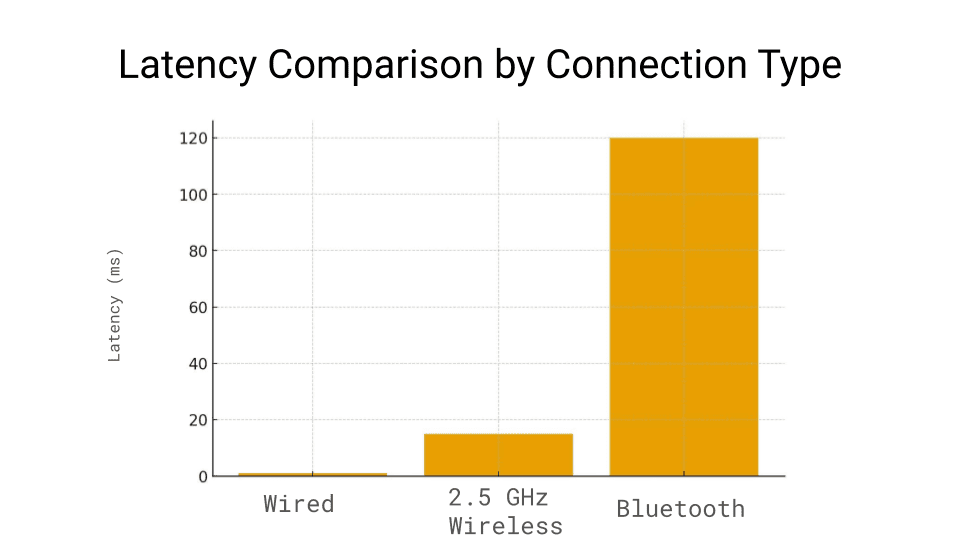
One of the biggest decisions is whether you want a wired or wireless headset. Wired models connect over 3.5 mm or USB and provide essentially zero latency with no battery to worry about. They are usually cheaper and work on almost anything, from PCs and consoles to handheld devices, as long as the port matches or you have the right adapter. The downside is the ever present cable that can snag or limit your movement.
Wireless gaming headsets use a dedicated 2.4 GHz style USB dongle or console specific protocol to deliver low latency audio that is very close to wired responsiveness. This gives you freedom to lean back, get up briefly, or play from the couch without trailing a wire across the room.
Battery life varies widely, from a couple of long evenings to many dozens of hours on a charge. Some premium models include fast charging or swappable batteries so you can keep playing while one pack charges.
Bluetooth is often included as a secondary option for phones and tablets, or for mixing in calls and music while you game. However, standard Bluetooth alone usually has more delay and is not ideal for fast paced competitive play. When you care about responsiveness, you should use a dedicated gaming transmitter or a wired connection.
Build Quality & Durability
Good audio gear should survive years of regular use. The strength of a headset mostly comes from its headband and joints, where metal reinforcement adds long-term durability and reduces the risk of cracking. High-quality plastic earcups remain common because they keep weight manageable while staying sturdy.
A well-built headset should feel stable when adjusted and show no signs of loose hinges or weak points. Ear pads naturally wear over time, so designs that make replacement easy are a plus, though not strictly necessary. Detachable parts like cables or microphones also help prevent minor failures from ending the life of the entire headset. Overall, a headset with solid construction and dependable materials will hold up well through everyday gaming sessions.
Must-Have Features
You need all day comfort. Soft, supportive pads, a sensible weight, and an adjustable headband that actually fits your head shape are non-negotiable, because discomfort will distract you in every match. Accurate positional audio is another key pillar. Whether delivered by strong stereo imaging or well tuned virtual surround, it helps you understand where sounds come from and react sooner.
Clear microphone performance is critical if you play multiplayer. Teammates must be able to hear your callouts without crackle, muffling, or a wall of background noise. Latency is the next major point. If you go wireless, pick a model with a proper low latency gaming mode so explosions and gunfire line up with what you see. Wired headsets already excel here.
You also want respectable overall sound quality, with voices, effects, and music all coming through cleanly instead of one frequency range dominating everything. Finally, solid build quality ensures the headset can handle everyday use without loose hinges or cracked bands after a short time. When a headset nails comfort, positional audio, mic clarity, low delay, sound quality, and durability, you are set up for a satisfying experience.
Nice-to-Have Features
Once the essentials are covered, the following bonuses can make your setup even better but do not need to be dealbreakers.
Wireless freedom improves everyday convenience if you dislike dealing with cables or play farther from the screen. Multi-platform support is useful if you regularly switch between devices and want a single headset for everything. Active noise cancellation helps in consistently noisy environments and can deepen immersion in story-driven games.
Some headsets offer longer battery life, hot-swap batteries, or quick-charge options that reduce downtime for wireless users. Others include software EQ tools or high-resolution listening modes for those who want finer audio control. Replaceable parts, spare ear pads, or optional docks add convenience and longevity, though they are not critical. Style choices such as colors or lighting can help match your setup but should be lower on your priority list than overall performance and comfort.
Leading Gaming Headset Brands
Several brands dominate the gaming headset market because they consistently deliver dependable performance, solid build quality, and useful gaming features. Each has a slightly different focus, so understanding their strengths helps you match a headset to your priorities.
SteelSeries
SteelSeries headsets are known for comfort and balanced sound. The Arctis line uses lightweight frames, suspension-style headbands, and breathable fabrics that work well for long sessions. Their audio tuning leans natural rather than bass-heavy, which helps with positional cues in competitive games. If you prefer a clean design without sharp angles or flashy lighting, SteelSeries is a safe pick. Look for models with their low-latency 2.4 GHz wireless connection and avoid older versions that rely solely on Bluetooth for gaming.
HyperX
HyperX made its reputation by focusing on strong fundamentals: comfort, durability, and simple controls. Many of their models use memory-foam cushions that work well for marathon sessions. Their sound profile often boosts bass slightly but stays clear enough for shooters and action games. HyperX mics are usually clear and reliable, which makes them a good choice if you play multiplayer regularly. Look for models in the Cloud lineup if you want dependable wired performance, and consider their wireless options if you want more mobility without a big jump in price.
Logitech G
Logitech G offers a wide range of headsets, from entry-level wired models to premium wireless versions with more advanced features. Their strengths include reliable wireless performance, lightweight designs, and software that lets you adjust EQ and surround settings easily. Logitech’s microphones are consistent across the lineup, and many models work well across multiple platforms. Look for their Lightspeed wireless models if you want low latency and long battery life. Avoid older units that rely on micro-USB charging if fast charging matters to you.
Razer
Razer headsets tend to appeal to players who want a bold design paired with immersive audio. Their tuning is often more energetic, with boosted bass that suits cinematic titles. Razer’s higher-end models offer strong wireless performance and well-designed software for adjusting EQ, mic settings, and spatial audio modes. Their microphones vary more between models, so it’s worth checking voice quality if you rely heavily on chat. Look for their top-tier wireless options if you want deep customization and strong surround processing, and avoid the ultra-budget models if durability is a priority.