
 Kettles
 Projectors
 Air Purifiers
 Headphones
 Smartwatches
 Humidifiers
 Keyboards
 Tablets
 Microphones
 Speakers


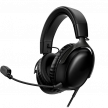
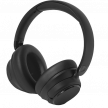

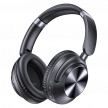

Studio headphones are built for faithful sound reproduction and long listening sessions. Their design helps reveal layers of detail that everyday headphones sometimes hide. Whether you are crafting a mix or simply enjoying albums with precision, studio models offer clarity and control that benefit all types of listeners.
Unique Features of Studio Headphones
Purpose-Built for Accuracy
Studio headphones differ from consumer models because they are designed to expose the true character of recordings. Their tuning, build, and comfort focus on precision and long-session usability rather than enhanced or boosted sound. This makes them reliable tools for mixing, editing, and critical listening.
Over-Ear Designs for Consistency
Most studio models use over-ear earcups that surround the ears. This layout accommodates larger drivers, reduces fatigue, and provides a stable listening environment. The result is more consistent sound across long working sessions.
Open-Back vs. Closed-Back Construction
- Open-back designs allow air to move through the earcups, creating a wide, natural soundstage that helps listeners judge spatial detail accurately. They leak sound both ways, which limits them to quiet rooms.
- Closed-back designs seal the ear, blocking outside noise and preventing sound from escaping into microphones. Their enclosed structure often reinforces bass and delivers a more focused presentation, making them ideal for tracking and monitoring in active studio settings.
Driver Engineering That Reveals Detail
Driver quality is a major differentiator. Materials, coil design, and enclosure shape influence clarity and transient speed. Many professional models use specialized structures, such as ring-shaped diaphragms or reinforced materials, to reduce distortion and improve responsiveness. These refinements help uncover subtle details that standard consumer headphones might hide.
Power Requirements for Full Performance
Many studio headphones have higher impedance or lower sensitivity, meaning they need proper amplification to sound their best. Pairing them with a capable audio interface or headphone amp preserves dynamics, tightens bass, and ensures the headphone performs as intended. Understanding these power needs is key to choosing a model that fits your setup.
Key Specs & Features Explained
Understanding specifications helps in comparing models and determining which best fits your workflow. Driver type is a foundational specification. Dynamic drivers are the most widespread due to their reliability and consistent tuning. They use a moving coil attached to a diaphragm, which responds to electrical signals by moving air. Some high-end studio headphones employ special dynamic variations that enhance rigidity or airflow to improve clarity and transient behavior.
Driver size indicates the physical diameter of the diaphragm inside the earcup. Larger drivers can move more air, which generally supports better bass extension and a more authoritative sound. However, size alone does not guarantee quality. The precision of the driver’s engineering often matters more than its dimensions.
Frequency response describes the range of sound the headphones can reproduce. Manufacturers often list extended ranges that exceed human hearing, but what matters most is how evenly the headphone reproduces audible frequencies. (20 Hz – 20 kHz) Smooth transitions across bass, mids, and treble create a natural sound. Peaks or dips can emphasize or obscure important details in a mix.
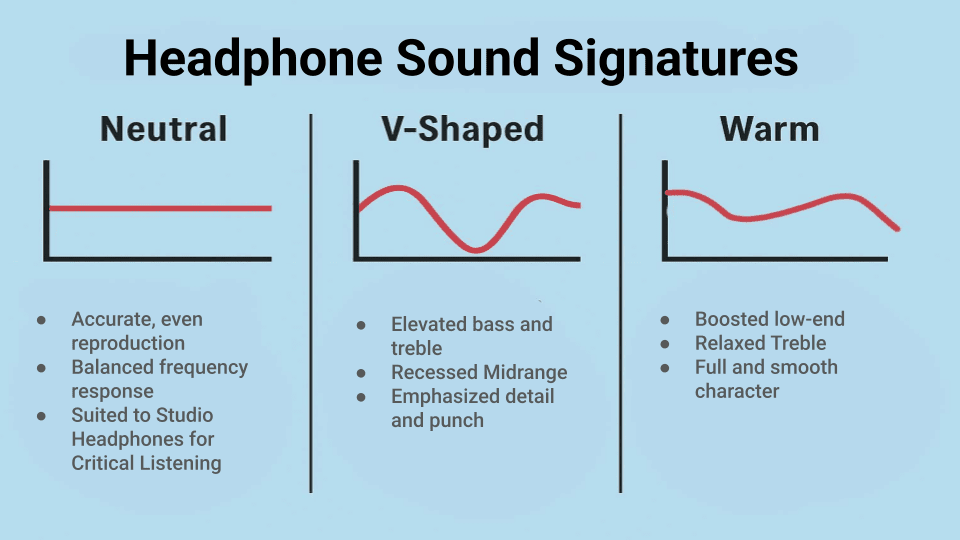
The sound signature characterizes the headphone’s tonal balance. Some models aim for strict neutrality so the listener can assess recordings as accurately as possible. Others may accentuate bass or add slight brightness to treble for a more vivid sound. With Studio Headphones, you’re looking for a balanced and predictable signature.
Impedance and sensitivity together determine how easily the headphones reach full performance on different devices. High-impedance models need more voltage to achieve proper loudness and often pair best with amplifiers.
Lower-impedance models are more forgiving and can run on laptops or portable players, although they still benefit from clean amplification. Sensitivity measures how effectively the headphone converts power into volume. High sensitivity means less power is required, while low sensitivity may demand more capable gear.
Noise isolation depends on both physical design and, in some cases, electronic processing. Open-back designs provide minimal shielding from the environment, while closed-back designs isolate effectively by sealing around the ears. There are some new studio-oriented wireless models that include active noise cancellation to improve focus in noisy spaces, but passive isolation still remains crucial.
Wireless features, when present, introduce considerations such as codec support, stability of connection, and battery life. Since studio work relies on reliable and accurate sound, most professionals use wired connections. Still, wireless functionality can be convenient for casual listening or mobile work, provided the headphone maintains consistent tuning and low latency in both modes.
Must-Have Features
When evaluating studio headphones, certain attributes are vital for achieving precise results. First, sound accuracy sits at the top of the list. Studio headphones must deliver a clear and even response so the listener can make informed decisions about levels, EQ, and spatial placement.
A neutral sound signature with low distortion is essential for unbiased listening that sounds clean at all volumes and prevents details from being masked.
Comfort plays a significant role in usability. Mixing and editing sessions can stretch for hours, so headphones should rest comfortably without causing pressure points. Ample padding and thoughtful ergonomics keep the listening experience pleasant and reduce fatigue.
Build integrity ensures the headphones hold up under regular use. Studio environments often involve frequent handling, plugging and unplugging cables, and adjusting headbands. Robust materials and replaceable components help the headphones maintain consistent performance over time.
Power compatibility is another key factor. Some models shine only when driven properly, so knowing your audio interface or amplifier capabilities helps prevent mismatches. Delivering enough power ensures the headphones reach their full dynamic potential.
Appropriate isolation ties directly to the intended use. Open-backs are indispensable for detailed analysis, while closed-backs are essential for recording situations where preventing sound leakage is critical.
Nice-to-Have Features
Although not fundamental, several features enhance the experience of owning studio headphones.
- Replaceable earpads and cables allow for longevity and customization. Switching pad materials can slightly adjust comfort or sound, and detachable cables reduce the risk of permanent failure from wear.
- Foldable or swiveling earcups add convenience for storage and transport. While not necessary for studio models, these features help those who move between locations.
- Optional equalization can be useful in certain headphones with companion software, letting users tailor the sound to their preferences. While many engineers prefer not to modify the signature, casual listeners may appreciate the added flexibility.
- Premium materials such as metal accents or upgraded padding improve the tactile experience and can make the headphones feel more refined. While aesthetics do not affect sound, they add satisfaction in daily use.
- Convenience features, including onboard controls or optional Bluetooth modes, can help hybrid users who switch between professional work and personal listening. Even though wired use remains best for accuracy, having multiple modes can expand practical use cases.
Leading Studio Headphone Brands
Studio headphones lean heavily on accuracy, build quality, and long-term comfort. While many companies make capable models, a few brands stand out because professionals rely on them every day. Understanding what each one does best helps you narrow down your options based on your workflow.
Audio-Technica
Audio-Technica is one of the most trusted names in studio headphones, especially for home studios and project setups. Their models often deliver a clean, detailed sound with a slight emphasis on clarity, which helps when working on vocals, guitars, and spoken voice. The M-Series is known for reliability and strong isolation, making it a good fit for tracking. Look for these if you need durable, no-nonsense headphones you can use for hours. Avoid the very low-end options if you need precise mixing accuracy, because they tend to be more consumer-tuned.
Beyerdynamic
Beyerdynamic headphones are recognized for their resolving detail, sturdy build, and long wearing comfort. They’re popular for mixing, editing, and mastering because they deliver a neutral-to-bright signature that helps reveal problems early in a project. Many models offer multiple impedance versions, which lets you pair them with different interfaces, headphone amps, or portable gear. Look for the DT series if you want long-term clarity and high durability. Avoid the highest-impedance versions unless you’re using proper amplification, because they can sound underpowered from mobile devices or basic interfaces.
Sennheiser
Sennheiser blends accuracy with a smooth, fatigue-free sound that works well for longer sessions. Their open-back models are especially popular for mixing because they provide natural imaging and a wide soundstage that helps you place instruments precisely. Closed-back options offer consistent isolation for tracking and vocal recording. Look for models in the HD line if you want balanced tuning and dependable build quality. Avoid expecting strong bass emphasis, because Sennheiser’s studio-oriented tuning stays closer to neutral.
Sony
Sony has a strong presence in professional audio, particularly in broadcast, podcasting, and live recording. Their studio models lean analytical and mid-forward, which helps expose vocal issues and make speech sound crisp. These headphones are known for being lightweight and durable, and they travel well between sessions. Look for Sony if you want a clear sound that works across speech, music, and general production work. Avoid them if you prefer a wide soundstage, because many models lean more compact and focused.