
 Ice Makers
 Chairs
 Kettles
 Projectors
 Air Purifiers
 Dash Cams
 Headphones
 Smartwatches
 Blenders
 Humidifiers

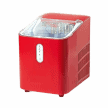
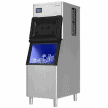
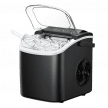


Commercial ice makers operate on a larger scale than the countertop machines you see in home kitchens. I spent several years working with refrigeration manufacturers, and the gap between residential and commercial ice production comes down to one thing: duty cycle.
A commercial unit runs 24/7, produces hundreds of pounds daily, and must meet health department standards that classify ice as food. Failure isn’t an inconvenience here; it’s lost revenue, unhappy customers, or disrupted operations. This guide focuses on what actually matters when buying equipment for a restaurant, bar, hotel, healthcare facility, or any operation where running out of ice creates real problems.
For foundational concepts, brand comparisons, and general maintenance guidance, see our main ice maker buyer’s guide.
Understanding Production Capacity Requirements
Here’s what trips up nearly every first-time buyer: manufacturer specs assume laboratory conditions. That “500 lbs/day” rating comes from testing at 70°F ambient air and 50°F inlet water. No commercial kitchen stays at 70°F in July.
When your back-of-house hits 90°F and incoming water warms to 70°F, expect 30–35% less production. I always tell buyers to flip to the second page of the spec sheet and find the 90°F air / 70°F water rating. That number reflects reality.
Calculating actual ice needs isn’t complicated, but it does require honesty about how your operation runs. The old industry rules still hold up well:
- Restaurants: ~1.5 lbs of ice per seat
- Bars: ~3 lbs per seat
- Hotels: ~3 lbs per room
Run the math on a 150-seat restaurant turning tables twice during dinner service, and you’re already at 450 lbs minimum. That doesn’t include prep ice, line cook usage, beverage stations, or the Saturday-night rush when demand spikes unexpectedly.
Bin Sizing Matters More Than You Think
Bin sizing catches a lot of operators off guard. I’ve seen 500 lb/day machines paired with 200 lb bins. The result is predictable: the bin fills, the machine shuts off, and you waste production capacity you already paid for.
As a rule, your bin should hold 50–75% of daily production. That buffer absorbs demand spikes and keeps the machine running efficiently instead of cycling on and off.
Machine Configurations: Modular vs. Self-Contained vs. Undercounter
Your space, your volume, and your growth plans all factor into this decision.
Modular Ice Machine Heads
Modular systems make the most sense when you need volume or flexibility. The ice-making head mounts on a separate bin, allowing you to choose from stationary bins, hotel dispensers, healthcare dispensers, or combination ice-and-water units.
When needs change, you can swap the bin without replacing the entire machine. Most high-volume operations I’ve worked with standardize on modular setups for exactly this reason. They scale better and cost less to adapt over time.
Self-Contained Units
Self-contained machines combine the ice maker and bin into a single cabinet. Installation is simpler, and there’s only one piece of equipment to manage. That simplicity comes with trade-offs.
Service access can be more difficult, sometimes requiring technicians to pull the entire unit. You’re also locked into the bin size that ships with the machine, which limits flexibility if demand grows.
Undercounter Ice Makers
Undercounter units fit beneath standard 40-inch counters and work well for bars, coffee stations, or satellite locations away from the main kitchen. Output typically maxes out around 350 lbs/day, so they’re supplements rather than primary production for busy operations.
The compact footprint comes at a cost: smaller bins mean more frequent ice retrieval.
Bin Insulation Quality
Bin construction matters more than most buyers realize. I’ve walked into kitchens where single-wall bins were sweating and losing ice faster than the machine could make it. Warm environments accelerate this problem.
Foam-injected polyurethane makes a noticeable difference in how long ice lasts during slow periods, and your compressor won’t cycle as often, trying to keep up. Outdoor installations or consistently hot kitchens should prioritize premium insulation with thermal breaks, no exceptions.
Ice Types and Their Commercial Applications
Ice type locks you into a specific machine design. You can’t switch a cube machine to produce nugget ice or convert a flake unit to make gourmet cubes. This is a decision you want to get right the first time.
- Full cube: Melts slowest and displaces the most liquid; ideal for premium cocktails and beverages where dilution control matters
- Half cube: The workhorse of food service; good displacement, faster cooling, fits through most dispenser chutes
- Nugget/chewable: Soft, chewable texture that customers love; healthcare facilities prefer it because it’s easier on patients; absorbs drink flavors well
- Flake: Moldable and fast-cooling for food displays, seafood beds, and produce; too wet for beverages
- Gourmet/clear cube: Large, crystal-clear ice for upscale bars; slow production rates and higher cost per pound
Hospitals and healthcare facilities almost always require nugget ice. High-end cocktail programs lean toward gourmet cubes. General food service typically lands on half cubes as the best all-around choice.
Condenser Types: Air-Cooled vs. Water-Cooled vs. Remote
How the system rejects heat affects installation cost, operating expenses, noise levels, and summer performance.
Air-Cooled Condensers
Air-cooled units reject heat directly into the surrounding space using fans and finned coil condensers. They’re the most common choice because installation costs less, and you’re not paying for water consumption.
Here’s what nobody mentions in the sales pitch: all that heat goes straight into your kitchen. On a 95°F day, that 500 lb/day machine might only give you 350 lbs. I’ve seen kitchens where the ice maker and the HVAC system were basically fighting each other all summer.
Water-Cooled Condensers
Water-cooled machines rely on supply water that stays relatively consistent year-round. As a result, production remains stable regardless of season or kitchen temperature.
You’ll pay for that consistency in water usage, and costs add up quickly. Some municipalities ban water-cooled commercial refrigeration outright, while others require closed-loop recirculation systems. Always check local regulations before committing.
Remote Condensers
Putting the condenser on the roof or outside the building moves all that heat and fan noise out of your space. Kitchens stay cooler, dining areas stay quieter, and summer production remains stable.
Installation is more complicated and expensive, which is why remote systems tend to show up in high-volume operations or hot climates where the performance benefits justify the extra cost and complexity.
Efficiency Metrics That Impact Operating Costs
These machines run around the clock. Small efficiency differences add up to serious money when you’re looking at a decade of ownership.
*Based on 400 lbs/day output, electricity at $0.12/kWh, and combined water/sewer at $0.005 per gallon
Compressor technology drives much of the efficiency difference. Standard reciprocating compressors work fine, but they’re louder and consume more power. Scroll compressors improve efficiency and reduce noise. Variable-speed and inverter compressors adapt output to demand, minimizing energy waste during partial-load conditions when the bin is nearly full.
Harvest Systems and Water Efficiency
How the machine releases ice from the evaporator affects both ice quality and water consumption. Timed batch systems run fixed freeze and harvest cycles regardless of conditions. Simple, cheap, and wasteful. Thickness-sensing systems measure actual ice formation and trigger harvest at the right size, producing more consistent cubes with less waste.
Adaptive harvest goes further by adjusting freeze and harvest cycles based on incoming water temperature and ambient conditions. Hot gas harvest uses heat from the refrigeration cycle to release ice without spraying extra water over the evaporator. During my time specifying sensors for ice maker OEMs, hot gas harvest systems consistently showed 15–20% better water efficiency than conventional methods.
Sanitation and Food Safety Systems
Health departments treat ice as food, full stop. The machine that makes it and the bin that stores it fall under the same sanitation requirements as your prep surfaces.
- NSF certification is mandatory for commercial food service in most jurisdictions
- UL or ETL listing confirms electrical safety
- ENERGY STAR verifies efficiency claims
Units carrying all three certifications signal a manufacturer who takes compliance seriously.
Antimicrobial protection ranges from simple bin coatings to full-system integration using technologies like AgION embedded throughout the water path, evaporator, and storage components. Basic coatings help, but they don’t protect the areas where biofilm actually forms. Healthcare facilities and operations serving immunocompromised populations should insist on full-system antimicrobial integration. It’s not worth the liability to cut corners here.
Let’s be honest about cleaning: it doesn’t happen on schedule in most kitchens. Staff get slammed, managers forget, and descaling turns into a twice-yearly emergency instead of a monthly routine. Automatic cleaning cycles remove human memory from the equation. The machine sanitizes itself whether anyone remembers or not. I’ve pulled scale deposits out of manually cleaned machines that looked like geological formations. Automatic systems prevent things from ever getting that bad.
Evaporator materials also matter. Tin-plated copper works initially, but repeated chemical cleaning slowly eats away at the coating. Nickel plating lasts longer. Food-grade stainless steel costs more upfront and outlasts everything else, which is why hospitals and high-volume operations gravitate toward stainless evaporators.
Refrigerant Considerations and Regulatory Compliance
R-404A dominated commercial refrigeration for years, but that era is ending. Its global warming potential is more than 3,900 times CO₂, and the EPA’s AIM Act is steadily restricting supply. Prices have already started climbing. Buy an R-404A machine today, and you’ll be hunting for increasingly expensive refrigerant by 2030, assuming you can find a technician willing to service it.
R-449A works as a drop-in alternative for many existing system designs and carries a lower environmental penalty. R-290 (propane) delivers excellent efficiency with minimal climate impact, though charge limits and placement rules restrict its use to smaller machines. For new purchases, I push clients toward R-449A or R-290 unless there’s a specific reason to do otherwise. Whatever refrigerant you choose today, you’ll live with that decision for ten years or more.
Serviceability and Maintenance Access
Condenser coils get caked with kitchen grease, lint, and whatever else floats through the air. Heat transfer suffers. The compressor runs longer and hotter, trying to compensate. Energy bills climb. Equipment life shortens. Everyone knows this, yet condensers still don’t get cleaned because accessing them requires tools, time, and motivation that busy staff don’t have.
Machines with slide-out condensers make cleaning easier. Hinged panels that open without tools make it actually happen. I’ve seen the difference in equipment longevity between restaurants that clean condensers quarterly and those that wait until something breaks.
Diagnostic capability runs the full spectrum on these machines. Some give you nothing but a blinking light. Others store fault codes and operating history that technicians can pull during service calls. The high-end units connect to the internet and send alerts before problems become emergencies. For operations where running out of ice costs real money, remote monitoring pays for itself the first time it catches a failing component before Saturday night service.
Warranty length tells you something about how manufacturers view their own products. A 2-year compressor warranty means they’re not betting on that compressor lasting. Five years or longer means they’ve tested it, they trust it, and they’re willing to back it up. The same logic applies to parts coverage. Three years is standard for commercial-grade equipment. Anything less should raise questions about component quality.
Installation Requirements and Site Planning
Electrical needs scale with machine size. Small undercounter units typically plug into standard 115V outlets. Step up to mid-size machines, and you’re usually looking at 208–230V single-phase. Big modular heads can require three-phase 208–230V or 460V service. Figuring out your electrical situation after the machine arrives is an expensive mistake. New circuits or service upgrades can run several thousand dollars, depending on your building.
Water quality kills more ice makers than any other factor I’ve seen. The machine needs 20–80 PSI supply pressure and a connection sized for the model (usually 1/4″ to 1/2″). But pressure and flow don’t matter if your water is hard. Scale accumulates inside the system, chokes water distribution tubes, and coats evaporator surfaces until production craters. Test your water hardness. Anything over 7 grains per gallon needs dedicated filtration.
Drainage is simple if there’s a floor drain nearby. If not, you’ll need a pump, which adds cost and another failure point. Venting also matters. Front-discharge machines can sit flush against walls. Top-discharge units need overhead clearance. Always check minimum clearances on the spec sheet before final placement.
Which Commercial Ice Maker Is Right for You?
Three questions drive the decision:
- What’s your realistic daily ice demand at worst-case summer conditions?
- What ice type does your operation actually need based on application, not preference?
- What constraints exist around space, power, drainage, and ambient temperature?
High-volume restaurants and hotels should start with modular heads and properly sized bins. Air-cooled works for most situations unless your kitchen regularly exceeds 90°F. Get automatic cleaning because your staff won’t remember to do it manually. Specify ENERGY STAR certification and use modern refrigerants, such as R-449A or R-290.
Healthcare operations have stricter needs: nugget ice, full-system antimicrobial protection, and food-grade stainless evaporators.
Saving money on the purchase price by skipping efficiency or sanitation features is a false economy. Efficient machines cost $1,000+ less per year to operate than baseline models. Over a 10-15-year equipment life, that math is hard to argue with.