
 Ice Makers
 Chairs
 Kettles
 Projectors
 Air Purifiers
 Dash Cams
 Headphones
 Smartwatches
 Blenders
 Humidifiers

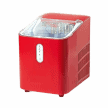
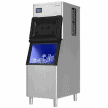
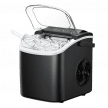

A portable ice maker is a countertop appliance that makes ice from a reservoir you fill by hand. No water line, no installation—just add water, press start, and wait 6–10 minutes. I want to be clear about what these machines aren’t: they’re not a substitute for your freezer’s ice maker or a plumbed-in undercounter model. They work best as backup units for apartments with no freezer ice maker, RV camping trips, the office break room, your kid’s dorm, and a Fourth of July cookout that needs more ice than your freezer can crank out.
I spent over two years as a Product Manager for sensors used in ice makers, and I’ve written technical documentation for equipment manufacturers. The biggest misconception is how ice storage works. The collection bin has no freezer compartment – ice melts, meltwater drains back to the reservoir, and the machine freezes it again. To keep ice truly frozen, transfer it to your freezer. Once you understand that, portable units make perfect sense for the right situations.
How Portable Ice Makers Work
The mechanism is straightforward. Metal probes, called evaporator fingers, hang down into the water reservoir. Refrigerant runs through those probes and drops their temperature fast. Ice builds up on the probe surfaces layer by layer. When it’s thick enough, the system warms the probes just a bit so the ice slides off and drops into the bin. Then, the process repeats. A sensor in the bin shuts things down when ice piles up to capacity, or the reservoir runs out of water.
The melt-and-recycle cycle is the key difference from built-in ice makers. Ice in a non-freezing bin eventually melts, returning to the reservoir to be refrozen. That might sound efficient, but over time it concentrates minerals from your tap water, bacteria, mold spores, and biofilm. In neglected units, I’ve seen reservoirs coated with a quarter inch of slime after only a few months. This is exactly why self-cleaning is essential for portable models.
Production Capacity: The Spec That Matters Most
Daily ice production tells you whether a machine can actually keep pace with how much ice you go through. Manufacturers rate this in pounds per day. Production on portables ranges from about 20 lbs/day for entry-level units to 45 lbs/day at the high end. To put that in perspective, a 10-lb bag of ice at the store may be enough for a small cookout, but if your household routinely uses that much ice in a day, aim for a unit producing at least 30 lbs/day.
Matching Capacity to Your Needs
Lower-capacity units (20–26 lbs/day) work well for light use – making a few drinks or occasional ice needs. Families filling tumblers, blending smoothies, or entertaining frequently should target 30+ lbs/day. Be skeptical of models claiming 40+ lbs/day without checking reviews; these numbers assume ideal lab conditions around 70°F. Your kitchen will usually run warmer, meaning actual output is often 15–20% lower.
Don’t Confuse Production With Storage
Here’s a mistake I see constantly. Someone buys a unit rated at 35 lbs/day and assumes they’ll have tons of ice on hand. But the bin only holds 1.5 lbs at a time. If you’re not emptying that bin into your freezer regularly, production backs up. Ice melts. The machine refreezes the same water. You end up with way less usable ice than the daily rating suggests. Always check bin capacity as a separate spec.
Storage Bin Capacity and Melt
Bin size determines how long you can walk away before the ice starts turning back to water. Bins under 1.5 lbs fill quickly. Once full, the machine pauses. If nobody’s around to transfer that ice somewhere colder, you’re wasting cycles.
A 2+ lb bin buys you breathing room. Start the machine before guests show up, go handle other things, come back in a couple hours to a full bin ready to dump into a cooler or freezer bag. Smaller bins need constant attention.
Insulation quality has a direct impact on the melt rate. Cheap single-wall plastic bins conduct heat right through. Ice gets slushy fast. Double-wall construction slows heat transfer. Foam injected between the walls works best, though you’ll mostly find that on pricier models. Poor insulation doesn’t just waste ice; each melt-and-refreeze cycle adds stress to the compressor, increasing energy costs and reducing equipment lifespan.
Self-Cleaning: Essential for Longevity
This is where I draw a hard line. No self-cleaning function? I’m telling you to pass on it. Self-cleaning is non-negotiable on portable ice makers. The recirculating water environment is ideal for mold, biofilm, and mineral buildup, especially in humid climates. I’ve seen units in Florida develop visible slime inside the reservoir within three weeks of regular use.
Once contamination sets in, your ice tastes funky. It’ll be kind of stale, sometimes with an off smell. Beyond the taste issue, mineral scale coats the evaporator probes over time and reduces how efficiently they freeze water. You get slower cycles and smaller ice.
The self-cleaning function runs a sanitizing solution through the water path and flushes everything out. The cycle runs 20–30 minutes. Skip buying a unit with this feature, and you’re stuck disassembling parts, scrubbing everything by hand, reaching into awkward corners.
I’d schedule the self-clean cycle every two weeks – or more often in hard water or humid areas – to maintain ice quality and performance.
Cycle Speed and First-Batch Time
Cycle time tells you how long one batch takes, start to finish. Fast units produce a batch in 6–8 minutes, while slower models take 12–15 minutes. When you’ve just realized you’re out of ice and the company’s arriving soon, those extra minutes per cycle add up.
First-batch time shows up on some spec sheets and tells you how fast you’ll get your initial ice starting from an empty, warm machine. Look for something under 10 minutes. You’ll see marketing claims like “Ice in 6 minutes,” which is technically accurate, but it usually refers to just a few tiny cubes, not a full glass.
Faster cycles often yield smaller, thinner-walled cubes that melt quickly. If you prefer larger, slower-melting ice for cocktails, a slightly longer cycle time may be worth accepting.
Water Reservoir Size and Refill Frequency
No water line means you’re filling the reservoir yourself. How often depends entirely on reservoir capacity.
Want to start the machine before bed and wake up to a full bin? That takes at least 2.5L of reservoir capacity. Anything smaller runs dry partway through the night, and production stops until you refill.
Noise Levels: Living with a Countertop Compressor
A refrigeration compressor sits inside every one of these machines, the same basic technology as your fridge, but scaled down. Throw in the water pump, circulating liquid, and ice cubes clattering into a plastic bin, and you’ve got persistent noise whenever the unit’s running.
Aim for units rated under 45 dB. At 45 dB, you can talk normally a few feet away. Cross 50 dB, and it starts getting on your nerves. And if you have an open floor plan, it’s even worse – kitchen noise carries right into the living space.
Compressor type affects sound:
- Rotary compressors: Standard, louder, cycles fully on/off
- Variable-speed: Adjusts output with demand, quieter
- Inverter: Smoothest, quietest, but more expensive
Safety Certifications: What the Labels Actually Mean
I pay closer attention to certifications on ice makers than I do on most kitchen gadgets. Why? Ice touches the internal components directly. Anything lining the water reservoir and evaporator probes can end up in your drinks.
My recommendation: Look for UL listing at a minimum. NSF certification is even better if you can find it on the model you’re considering. Stay away from units with only CE marking (European standard) or no certification listed at all. Beyond the safety angle, certification indicates the manufacturer submitted to quality control auditing during production. It’s a decent proxy for general build quality when you can’t inspect the unit yourself.
Build Quality and Housing Materials
The enclosure of a portable ice maker handles heat from the compressor, humidity from ice and water, cleaning sprays, and daily movement. Budget models use thin plastic shells that develop stress cracks at corners and turn yellow after a year of UV exposure near a window.
Sturdier construction means thick ABS plastic, painted metal panels, or stainless steel. These models resist corrosion, clean up easily, and keep the unit looking good over time. Fingerprint-resistant coatings are a nice bonus if smudges bother you.
Hinges and lids are frequent failure points. Weak hinges or cracked lid corners are a red flag in reviews and may indicate broader durability issues.
Ice Size and Shape Options
Bullet-shaped ice is what you’ll get from almost every portable unit. Most have a selector for two or three size options:
- Small. Cools drinks fastest but also melts fastest; works well for smoothies or anything you’ll finish quickly
- Medium. Middle ground for everyday glasses and water bottles
- Large. Melts slowly; my pick for bourbon on the rocks or drinks you sip over time
You know that soft, chewable ice from Sonic or Chick-fil-A? That’s nugget ice. The machine has a different freezing mechanism and a different price point. If that’s your thing, search specifically for nugget ice makers. Standard portable units use a different mechanism and can’t make it.
Ice shape comes down to personal preference. I don’t score units higher or lower based on what shape of ice they make. Buy what fits how you actually use ice.
Compressor Type and Efficiency
Most portable ice makers use rotary compressors, which only run at full power or off. Variable-speed compressors adjust output based on demand, while inverter compressors provide smooth, continuous modulation.
Over months and years, the differences become clear. Variable-speed and inverter models generate less waste heat, operate more quietly, and tend to outlast fixed-speed units because they modulate rather than hammering between full power and complete shutoff every few minutes. Yes, they cost more upfront, but if you’ll run the unit frequently, the long-term benefits are worth it.
Refrigerant and Environmental Considerations
Refrigerant probably isn’t on your shopping checklist, but I’ll cover it briefly for those who care.
- R-134a: Common, but high global warming potential; being phased out
- R-600a (isobutane): Better efficiency, lower environmental impact
- R-290 (propane): Excellent thermodynamic performance with minimal climate footprint, but requires careful handling due to flammability
Most people won’t base their purchase on refrigerant type. Fair enough. But all else being equal between two models, I’d lean toward R-600a or R-290 over the older R-134a.
Common Mistakes To Avoid
The same mistakes keep showing up. Here’s what I’ve watched people do wrong:
- Chasing the lowest price. Budget units cut corners on self-cleaning and insulation. You’ll battle mold and slushy ice the entire time you own it.
- Ignoring noise specs. A 55 dB machine on your kitchen counter gets annoying by day two. Check decibel ratings before ordering.
- Expecting freezer-like storage. The bin isn’t refrigerated. Ice melts. Either transfer it to your freezer or accept the melt-recycle reality.
- Skipping maintenance. The self-cleaning function handles a lot, but not everything. Spend 15 minutes once a month on a real scrub-down.
Which Portable Ice Maker Is Right for You?
Match production capacity to realistic demand.
If you’re a single person or a couple with light ice use, something in the 20–26 lbs/day range handles it fine. Families and people who entertain often should look at 30+ lbs/day. Overbuy and you’ve wasted money. Underbuy and you’ll be frustrated every time demand spikes.
Self-cleaning capability isn’t optional in my view. I won’t recommend a portable unit that doesn’t have it.
If the machine will sit in your main living area, pay attention to noise ratings. Under 45 dB stays in the background. Above 50 dB, and you’ll notice it constantly.
Look for a UL listing at a minimum. NSF certification, if available.
For broader comparison, including built-in and undercounter options, see our main ice maker buyer’s guide.