
 Kettles
 Projectors
 Air Purifiers
 Dash Cams
 Headphones
 Smartwatches
 Blenders
 Humidifiers
 Keyboards
 Tablets
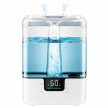

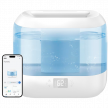
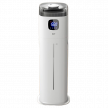
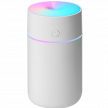
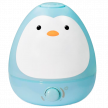
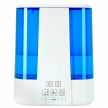
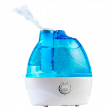

Warm mist humidifiers work by boiling water to create a warm steam, which is then dispersed into the air to increase humidity. These humidifiers can warm the room slightly and are often preferred in colder environments.
There are many reasons why you might want to choose a warm mist humidifier over a cool mist one; the boiling process kills germs and bacteria, and can relieve congestion and open nasal passages. However, they’re not recommended for use around children and pets due to burn risks.
In this guide, we’ll explain the key benefits of warm mist humidifiers, review popular manufacturers, and help you choose a unit best suited for your space and needs.
Output Rate (ml/hr)
The output rate indicates the amount of mist a humidifier produces per hour in millilitres. Choosing the right output rate depends on your room size and how much humidity your room needs.
- <200 ml/hr – Light output: Best for small areas like bedrooms, offices, or personal use near a desk or bedside.
- 200–400 ml/hr – Moderate output: Suitable for medium-sized rooms such as living rooms, kitchens and large bedrooms.
- >400 ml/hr – High output: Designed for larger spaces, open-plan areas, or very dry climates.
Higher output means quicker relief but usually requires a larger tank and higher energy use.
Tank Size (L)
A larger tank extends run time, meaning less frequent refills, but also makes the unit bigger. If you need a large tank, you might have to choose a bulkier humidifier.
- <1L – Compact tanks: Lightweight and portable. Best for placing on desks, in nurseries, or for moving between rooms.
- 1–2L – Mid-size: A balance between convenience and capacity, suitable for most bedrooms, small living rooms and kitchens.
- >2L – Large capacity: Allows longer operation without refills. Ideal for living rooms, large areas or overnight use.
Run Time (hours)
Run time indicates how long a humidifier can run continuously before needing a refill. If you’re planning to leave the unit unattended or need it to work continuously, consider this aspect carefully before buying.
- Up to 6 hours – Short-term use: Great for relaxing at home, naps or short office shifts.
- 6–12 hours – Moderate: Works well overnight or during the day without constant refills.
- 12–24 hours – Extended use: Causes minimal interruptions; suited for larger rooms and offers continuous comfort.
- Over 24 hours – Continuous: Premium models designed for hassle-free, long-term humidity control, whether in the office or at home.
Noise Level (dB)
Because warm mist humidifiers use heat to boil water and release steam passively into the air, they produce minimal mechanical noise. This noise is often limited to a soft bubbling or gentle hissing sound as the water heats. Because there are no moving parts like fans or vibrating plates, these units are ideal for bedrooms, nurseries, or night-time use where low noise is a priority.
However, you might hear slight bubbling when the unit starts heating or occasional clicks from safety mechanisms – but overall, they’re among the quietest types of humidifiers available.
- <30 dB – Near silent: Comparable to a whisper. Perfect for light sleepers and baby rooms.
- 30–50 dB – Low hum: Similar to a quiet conversation. Fine for most living areas, large bedrooms and kitchens.
- >50 dB – Noticeable: Best for daytime or occasional use, or larger shared spaces such as open-plan living areas and lofts.
Tank Fill Method
The way your humidifier gets refilled matters. There are two types of fill methods.
- Top Fill – Allows users to pour water directly from a jug or tap without taking the unit apart. This design makes refilling and cleaning significantly easier and less messy.
- Bottom Fill – These designs require removing the tank from the base and inverting it to fill from the bottom. While often more secure against spills during operation, this design can be less convenient when refilling or cleaning, as it typically involves more handling and careful positioning.
Mist Intensity Levels
The ability to control mist output gives you more control over your comfort and prevents over-humidifying.
- Single level: Simple on/off operation.
- Two levels: Allows some flexibility to help adjust to different room sizes.
- Three+ levels: More precise control, letting you customise intensity, often found in higher-end ultrasonic models.
Key Features to Consider
Modern humidifiers have various advanced features to choose from, making them suitable for different life scenarios. Some of the common ones include:
Smart/App Connectivity
Just like with other appliances, many modern humidifiers also come with Wi-Fi compatibility, allowing you to control your appliance remotely through a smartphone app. Some models also support voice control, letting you use Alexa or other smart voice assistants to set the humidifier hands-free.
Most common app functions include:
Display Type
Humidifiers typically come with either an analogue, digital, or touch display and controls, each affecting how runtime and humidity are displayed.
- Analog models usually have mechanical dials and short-time timers but lack precise control.
- Digital humidifiers feature LED or LCD screens showing humidity and timers, commonly ranging from 1–12 hours, sometimes with minute-level adjustments and continuous mode.
- Touch-control models offer sleek LED or LCD readings, timer up to 24 hours, and precise settings with preset modes.
Overall, digital and touch displays provide greater accuracy and convenience compared to analogue models, but analogues tend to be cheaper.
Design & Usability
Warm mist humidifiers come in various shapes and sizes to suit your home. The most common are plastic shells with clear water tanks at the top, but you can find modern humidifiers made of metal and glass at a more premium price point.
- Shapes: Towers, cubes and cylinders are the most common.
- Anti-spill design: Features such as sealed water tanks, tight-fitting caps, and leak-resistant valves that keep water contained, even if the unit isn’t kept perfectly upright.
- Materials: BPA-free plastics are recommended for safety concerns, especially for households with children. Metal and glass tend to last longer, but are also heavier.
- Portability: Look for ergonomic handles, lightweight designs, and spill-resistant tanks if you’re planning to move the unit between rooms.
Energy Use (W)
Humidifiers are generally energy-efficient, but usage varies. If you’re concerned about electricity bills or you’re planning to run the humidifier nonstop, look for low-wattage or ‘Eco’ models.
- <20W – Low consumption: Common for small ultrasonic models used in bedrooms and nurseries.
- 20–40W – Standard: A good balance of performance and efficiency.
- >40W – High output: Common in large-capacity or evaporative models.
Certifications
Make sure your humidifier has trusted third-party certifications for safety, performance, and sustainability – and keep an eye out for models praised by well-known experts or publications.
- CE / UKCA: Complies with EU/UK safety standards.
- ETL / UL: North American safety certification.
- RoHS: Confirms reduced hazardous materials.
- BPA-free: Safe materials, especially important for children’s rooms and households with pets.
Leading Manufacturers Overview
Levoit
Best for: Sleek design | Quiet operation | Smart, feature-rich models
Levoit is known for combining modern aesthetics with advanced technology. Their warm mist humidifiers often include smart app controls, aroma diffusers, and dual mist modes, making them ideal for style-conscious households that value convenience and comfort.
- Elegant, minimalist designs fit modern interiors
- Operation via app or voice assistant
- Quiet performance suitable for bedrooms and offices
Cons: Higher price point than basic models; smaller tank sizes on some designs
Dreo
Best for: Innovative engineering | Powerful mist output | Premium build quality
Dreo’s warm mist humidifiers reflect the brand’s focus on performance and quality. With intelligent sensors, quick humidification, and efficient heating elements, they cater to users seeking reliable results and refined design.
- Fast, even humidification across larger rooms
- Intuitive digital controls and adjustable mist settings
- Durable construction with easy-to-clean components
Cons: Fewer budget-friendly options; availability can vary by region
Vicks
Best for: Cold and flu relief | Family use | Trusted healthcare heritage
Vicks warm mist humidifiers are a household staple, particularly for soothing congestion and dry air during winter. Designed with medicated inhalant compatibility, they’re practical, reliable, and ideal for families with children.
- Compatible with VapoPads for added comfort
- Easy-fill tanks and straightforward operation
- Widely available and affordably priced
Cons: Bulkier design; limited smart features and design