
 Kettles
 Projectors
 Air Purifiers
 Dash Cams
 Headphones
 Smartwatches
 Blenders
 Humidifiers
 Keyboards
 Tablets
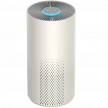
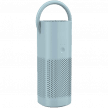
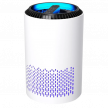
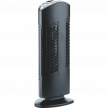
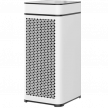
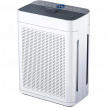

If you’re looking for an air purifier that offers flexibility and convenience, a portable model is the best choice. Portable air purifiers typically feature details such as handles and wheels, or are compact in size and lightweight in build. This allows them to be easily moved from room to room, as well as between locations, making them ideal for renters, short stays, or small spaces.
Compact, easy-to-lift air purifiers are also often cheaper upfront, and can be stored away neatly when not needed, unlike larger or fixed models. There are many portable air purifiers on the market, and choosing the right one comes down to understanding your budget, lifestyle and level of air pollution in your space.
In this guide, we’ll explain everything about ionic air purifiers – from essential features to reviewing popular manufacturers – to help you choose the right one for you.
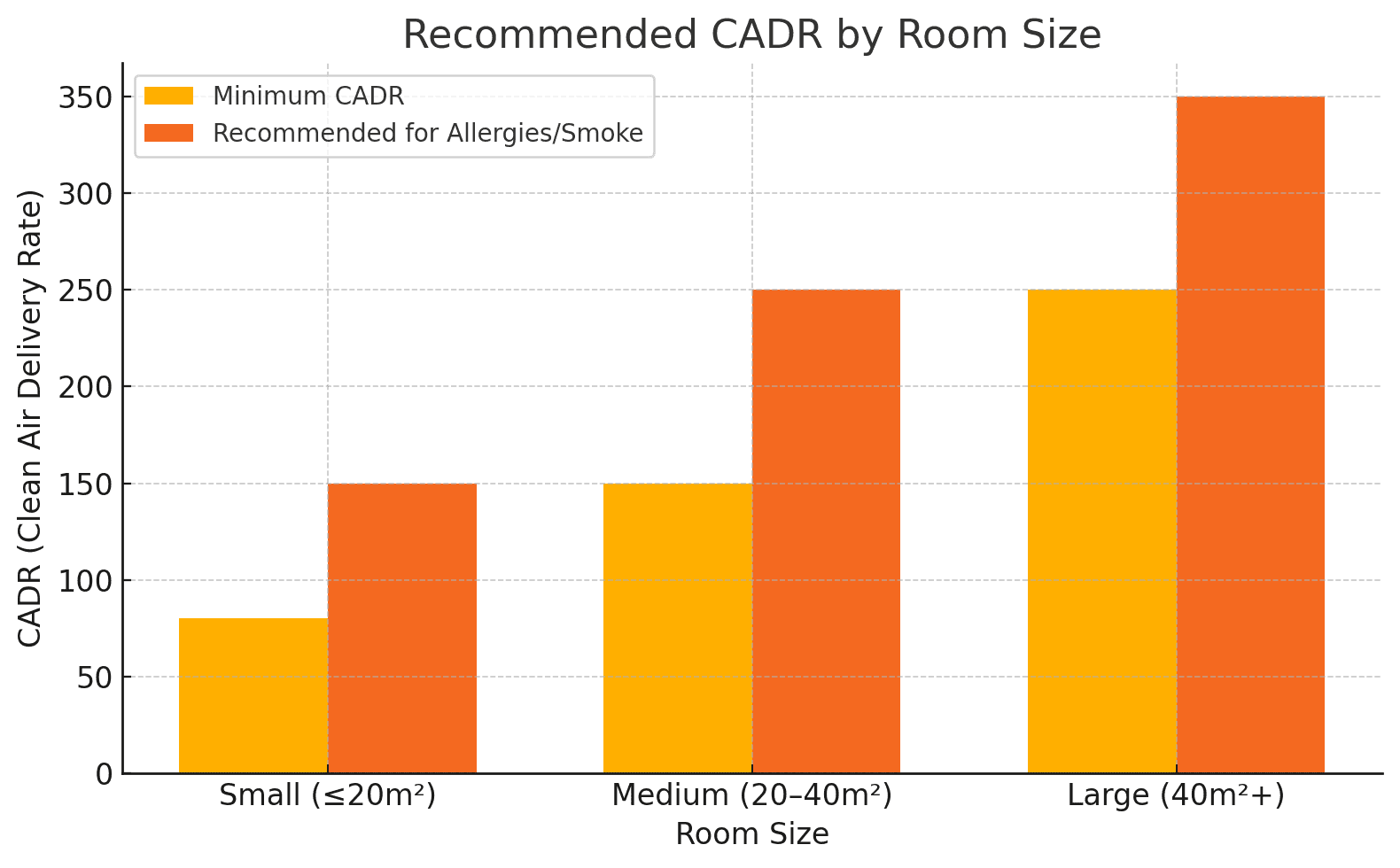
Room size performance – CADR (m³/h)
Room size performance is the most important feature of an air purifier. Rated using CADR (Clean Air Delivery Rate), measured in cubic metres per hour (m³/h), it shows how effectively it removes impurities from the air.
Here’s an overview of the typical CADR scale:
Size & Weight
Since you’re looking for an air purifier that’s easy to move between rooms and transport when needed, size and weight are important factors. Both of these measurements are usually stated in the specifications tab on the manufacturer’s product page, so they’re easy to find. If possible, try narrowing your search down by filtering by room or size to begin with.
Portability Features
From wheels to ergonomic handles, there are certain features to look for to find an appliance that will be easy to move between rooms, lift and reposition.
- Wheels: Best for large or heavy models.
- Handles: Useful for lifting easy repositioning.
- Details: Handy features such as cable tidy and cord storage help avoid trip hazards.
- Remote: A remote control will make it more convenient to change modes without having to manually touch the unit.
Opt for 360-degree caster wheels for the best manoeuvrability.
Noise Level
Most air purifiers operate quietly, at a noise level similar to a quiet conversation or the hum of a refrigerator. However, actual noise varies from unit to unit and often depends on the performance and selected mode. Often, the better the room size performance, the louder the air purifier becomes. Most manufacturers now provide actual decibel levels and easy comparison charts to help you choose an air purifier for your ears.
Filter Type
Air purifiers can include one, or multiple filters. The filter is one of the most important features, as it indicates how effectively allergens and microparticles are removed. It also helps you understand how often maintenance is needed, and the unit’s overall running cost.
- Pre-filter: Captures large particles such as hair, lint, and dust, protecting the HEPA filter and extending its lifespan.
- True HEPA filter: The most recommended filter – traps up to 99.97% of microscopic particles as small as 0.3 microns, including pollen, dust mites, pet dander, and mould spores.
- Activated carbon filter: Helps remove odours and VOCs (volatile organic compounds) that can worsen respiratory irritation or trigger sensitivities.
- HEPA + Carbon combination: Especially useful for allergy and asthma sufferers, as it captures allergens while neutralising smells and gases.
- Ion filter: Some purifiers use ionisation instead of a classic filter to help remove particles from the air. This works by capturing debris and disposing it into a collection bin.
- Ozone filter: An ozone filter removes harmful ozone from the air, helping keep indoor spaces safer and more comfortable to breathe in.
Filter Lifecycle
The longevity of your filter depends on the type of an air purifier you choose, as well as the frequency of use and air quality. Most filters will need replacing every 3-6 months when used regularly.
- Replaceable filters: Most HEPA and carbon filters need replacement every 6–12 months, depending on frequency of use.
- Washable filters: Some models include washable pre-filters or permanent HEPA layers that can be wiped clean.
- Both: Premium units may feature washable pre-filters combined with replaceable HEPA or carbon filters.
Typical Modes & Functions
Air purifiers offer a variety of modes beyond its core air purifying function. From safety features to protect children and pets to advanced timers and energy-saving modes, these additional functions can make your life easier.
- Auto mode: Adjusts fan speed automatically based on detected and preset air quality.
- Sleep mode: Operates quietly at low speed and often dims all the lights, perfect for nighttime use.
- Child lock: Prevents little hands from changing modes by disabling the touch screen and buttons – ideal for families with children or pets.
- Fan-Only mode: The appliance runs as a regular fan without activating filtering components (not always included, varies by model).
- Eco / Energy-Saving mode: Reduces power consumption by lowering fan speed when the air quality is already balanced.
- Air quality sensor: A built-in air quality sensor that continuously monitors the air and automatically adjusts fan speed.
Design Type
Whether you opt for a small tabletop air purifier or a larger unit on wheels, portable air purifiers vary in design, material and colour.Cylinder, cube and rectangular are the most common shapes, and you’ll find them in a variety of colours and finishes including glass and metal . Wherever you plan to use yours, you’ll find a model that suits the space and your personal style.
Maintenance Type
Air purifiers require regular upkeep to maintain performance and airflow. Over time, collector plate, internal components and filters accumulate dust, reducing their efficiency, so routine cleaning and regular filter replacement is essential.
- No filters to replace: Many ionic purifiers use electrostatic or ion collector plates instead of filters, keeping running costs low. These systems are ideal for users who prefer minimal ongoing maintenance.
- Wipe-clean collector plate: Particles captured inside the unit build up over time, so the plates or trays should be wiped clean every few weeks to maintain airflow and prevent odours.
- Filter cleaning/replacement: Depending on your filter, it might need regular cleaning or replacement. HEPA filters typically need changing every 6–12 months, while pre-filters can be washed in the sink.
Energy Consumption (W)
The smaller and less powerful the unit, the cheaper it will be to run. However, moden air purifiers are generally quite energy-efficient, and many offer eco or automatic modes that adjust performance when air quality improves. IIf you’re keeping a close eye on your energy bills, check for these modes as well as the actual wattage.
Look for Energy Star-certified models for the best efficiency.
Activated Carbon Filter
An activated carbon filter can visibly enhance performance of your air purifier — it particularly excels at trapping odours, smoke, and volatile organic compounds (VOCs) – pollutants that ionisation alone can’t fully neutralise.
Smart Connectivity (Wi-Fi, App)
No matter the type, size or shape, many modern air purifiers now come with Wi-Fi or Bluetooth compatibility. When connected to a smartphone app, you can change settings, turn the unit on/off and even see air quality in real time – all remotely. And if you prefer going hands-free, many models work with Alexa or Google Assistant for effortless voice control.
Most apps let you control the following features of your air purifier:
Dust Collection / Collection Bin
Ionic and hybrid air purifiers collect debris and microparticles in a collection tray or basket instead of relying on a filter to catch them. Understanding how these systems collect and store dust helps you plan for cleaning and maintenance.
- Tray: Some models use a removable tray that collects dust and debris drawn in by charged ions. The tray can be easily removed and wiped down, offering a low-maintenance option.
- Bag: Occasionally used in hybrid purifiers, dust bags capture particles for later disposal. They’re simple to replace but not as eco-friendly as washable baskets.
- Washable Bin or Basket: Many electrostatic purifiers feature a washable bin or collector basket. This reusable design helps reduce waste and ongoing costs – just rinse or wipe the bin regularly to maintain airflow and efficiency.
Regular cleaning of trays or collectors is essential to prevent odour buildup and maintain performance.
Light Indicators
Light indicators provide quick visual indication of the air quality and filter condition. Common indicator types include:
- LED ring: Displays air quality via colour codes (e.g., green = clean, orange = medium, red = polluted).
- Digital display: Shows PM2.5 readings, modes, and timer settings.
- LED indicator only: Simple lights showing power or filter alerts.
- None: Basic models with manual control only.
Certifications
If you’re looking for a top air purifier with good reputation, check its safety, performance and environmental certifications awarded by trusted publications or industry bodies. The standard ones include:
- AHAM: Verifies CADR and room coverage.
- CADR rating: Indicates cleaning speed and capacity.
- Energy Star: Confirms energy efficiency.
- Quiet Mark: Recognises low-noise operation.
Leading Manufacturers
The majority of well-known brands, such as Dyson, Blueair, Phillips and Honeywell, offer portable air purifiers with wheels, handles, or compact designs and lightweight builds that can be moved between rooms. The degree of portability varies by model. Here we selected a couple of the most favourite manufacturers.
Dyson
Best for: Premium Design | Advanced Filtration | Smart Features
Dyson is known for high-end air purifiers that combine HEPA and activated carbon filtration with powerful airflow and smart technology. Many models double as fans or heaters and include real-time air quality monitoring via app connectivity. Dyson purifiers are well suited to larger rooms and users who want strong performance wrapped in a sleek, modern design.
Cons: High price point; replacement filters are expensive; larger models can be bulky to move.
Xiaomi
Best for: Budget-Friendly Smart Purifiers | App Control | Everyday Home Use
Xiaomi offers compact, affordable air purifiers with solid HEPA filtration and impressive smart features for the price. Most models include app control, air quality sensors, and quiet operation, making them popular for bedrooms and flats. Their minimalist design and low running costs appeal to value-focused buyers.
Cons: Build quality feels basic compared to premium brands; carbon filtration is often limited on entry models.
Phillips
Best for: Reliable Performance | Allergy Sufferers | Quiet Operation
Philips air purifiers focus on dependable HEPA-based filtration with strong CADR ratings and accurate air quality sensors. Many models are certified for allergy and asthma use and are designed for continuous, low-noise operation. They suit users who prioritise proven filtration over extra features.
Cons: Filters can be costly to replace; designs are functional rather than stylish.
Aroeve
Best for: Ultra-Compact Spaces | Quiet Bedrooms | Low-Cost Entry Models
Aroeve specialises in small, lightweight air purifiers designed for desks, bedrooms, and personal spaces. Their models are simple to use, energy-efficient, and typically very quiet, making them a popular choice for night-time use or first-time buyers.
Cons: Limited coverage and filtration depth; not suitable for large rooms or heavy pollution.