
 Kettles
 Projectors
 Air Purifiers
 Dash Cams
 Headphones
 Smartwatches
 Blenders
 Humidifiers
 Keyboards
 Tablets
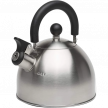
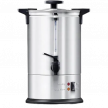

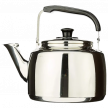
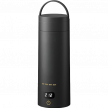
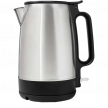
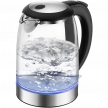
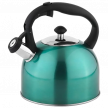


I’ve spent years evaluating heating systems and thermal efficiency in my HVAC work, and I’ve noticed that most people overthink cordless kettle purchases while ignoring what matters. The marketing noise around buzzwords like “rapid boil technology” and “premium finishes” distract from engineering factors that determine whether your kettle lasts two years or ten.
When comparing cordless kettles, I analyze them like any heating appliance – by element design, safety systems, material quality, and thermal performance. Get a kettle with a concealed heating element and proper safety features. Everything else is secondary. Skimp on these, and you’re either replacing your kettle in two years or dealing with burned countertops.
Cordless Design: Why It Actually Matters
The cordless design isn’t just about convenience – it’s a fundamental shift in how the appliance works. Corded electric kettles keep you plugged into the wall. Cordless ones split into two parts: a powered base that stays put, and the kettle itself that lifts off for pouring.
After years of using both types, I can tell you that being able to carry the kettle anywhere without unplugging eliminates that awkward cord-wrapping dance around counters. You can fill it at the sink, set it on the base to boil, and serve directly at the table. The base stays plugged in permanently, tucked neatly against your backsplash.
The 360° rotation feature matters more than you’d think. It lets you plunk the kettle down from any angle instead of aligning contacts precisely. Left-handed folks especially appreciate not spinning the thing around every time, but anyone will appreciate skipping that annoying step first thing in the morning.
What Makes Concealed Elements Different
Nobody talks about heating elements honestly, but they determine how long your kettle lasts. Concealed stainless steel elements are sealed beneath a flat heating surface, so mineral deposits from hard water can’t cake onto the element itself. I’ve opened up failed kettles with exposed coil elements and they’re always covered in calcified buildup that’s nearly impossible to remove.
In kettles with exposed coil elements, hard-water minerals accumulate and cause uneven heating or burnout within 2–3 years. Concealed stainless steel models typically last 5–7 years, even in hard water conditions.
You’ll also see “concealed standard” elements that aren’t full stainless steel construction occupy the middle ground. They give decent longevity, but in hard water areas (most of the US), spend the extra $15-$20 for full stainless steel construction. Your future self won’t be scraping lime scale off coils with a butter knife.
Safety Features That Can’t Be Compromised
Two safety systems separate quality cordless kettles from potential insurance claims.
- Auto Shut-Off. This feature prevents overheating and dry firing – it’s a critical feature that’s now standard in quality models. The mechanism uses a bimetallic strip or a steam sensor that cuts power when water reaches the boiling point. Without it, you’re relying on human memory to prevent dry firing and humans are terrible at that.
- Boil-Dry Protection. This protects against starting the kettle when empty or with insufficient water. The sensor sits at the base and detects whether enough liquid is present before allowing the heating cycle to begin. Heating elements can fail in a single empty boil cycle without this protection.
Both safety features rate at importance level 4, the highest, because they’re the difference between a $40 appliance and a $1,500 kitchen fire. Don’t compromise here to save $10.
Temperature Control: Versatility Beyond Boiling
Variable temperature control used to be a premium feature found only on $100+ kettles. Now 5+ temperature presets show up in the $50–$70 range, and they’re useful for tea drinkers or pour-over coffee makers. Different teas require different temperatures: green tea oxidizes and turns bitter above 175°F, while black tea needs the full 200–212°F range.
Most kettles claiming “precise temperature control” are accurate within ±5-8°F, not the ±2°F they advertise. That’s fine for tea and coffee. If you need exact precision (like for infant formula), read verified performance reviews before buying. The difference between 5+ presets and boil-only comes down to versatility. If you only drink coffee or make instant foods, you can save your money and get a boil-only model.
Understanding Wattage and Boil Speed
Wattage determines boiling speed, and the math is straightforward. A 1500W model typically heats 1.7L of water in 4–5 minutes. Drop to 1200W and it takes closer to 7 minutes. Anything below 1000W isn’t worth your time – you’d heat water faster on a stove.
A 1500W kettle is also more energy-efficient overall because it wastes less heat during the longer boil time of lower-wattage models. Just note: higher wattage also means more noise. My 1800W unit boils fast but roars like a jet engine at 6 a.m.
Material Quality and Construction
Your kettle’s material determines both safety and lifespan.
- Stainless steel. Most people don’t think about stainless steel grades, but they should. 304-grade stainless has 18% chromium and 8% nickel. That combo resists corrosion and doesn’t mess with your water’s taste. Cheaper grades show rust forming near the welds within a year.
- Glass. Glass kettles look great and let you watch the boil, but borosilicate glass is the only type to consider. Regular glass cracks from thermal shock when you fill a hot kettle with cold water. I’ve seen too many shattered glass kettles to recommend them for households with kids or anyone clumsy before morning coffee.
- Plastic. People usually ask whether BPA-free plastic is safe. BPA-free doesn’t mean chemical-free. Alternatives like BPS and BPF aren’t well-studied. If you’re worried about leaching, spend an extra $15–$20 for stainless steel. If you’re on a tight budget, BPA-free plastic from reputable brands is acceptable, but avoid cheap, unmarked plastic kettles.
Handle Design and Heat Resistance
A full 1.7L cordless kettle weighs about 3.8 pounds when boiling. That’s enough weight to cause real injury if you lose your grip. Cool-touch handles with good texture prevent slips and keep your hands safe.
Silicone and soft-touch coatings work best because they stay cool and don’t get slippery when wet. Standard plastic handles are acceptable but can lose grip. Metal handles are usually a bad idea unless heavily insulated. I’ve tested kettles that hit 140°F at the handle – hot enough to hurt and easy to drop.
Capacity: Matching Size to Your Needs
The 1.7L capacity became the industry standard because it boils enough water for 7–8 cups while still fitting under most kitchen cabinets. For one or two people, 1.5L saves counter space and boils faster. Families may prefer 2.0L models, though they’re less common.
Larger capacity kettles also mean a heavier kettle when full, which matters if anyone in your household has arthritis or limited hand strength. A full 2.0L kettle can weigh over 4.5 pounds.
Keep-Warm Function and Convenience Features
Keep-warm functions hold your water at temperature for 20–30 minutes after boiling. Beats firing up the kettle again for a second cup, and you’ll use less electricity than re-boiling. I use this feature daily, but plenty of people never touch it.
This feature is genuinely convenient but not essential. If you tend to forget about boiled water and come back to it cold 30 minutes later, this feature changes your routine. If you drink your tea immediately, skip it and save the money.
Water Level Indicators and Visibility
Some kettles hide their markings so poorly you have to crouch to read them. Clear, illuminated indicators on both sides eliminate guesswork and prevent overfilling.
Overfilling wastes energy. Underfilling exposes heating elements and can trip cheap boil-dry systems. Good visibility improves daily usability more than most “smart” features.
Warranty Length as a Quality Signal
A warranty of three years or more tells you the manufacturer expects their kettle to last. One-year warranties signal the company knows you’ll probably need a replacement soon. I’ve found this correlation holds across most small appliances.
Warranties matter for safety features, too. If auto shut-off fails after 13 months on a one-year warranty, you’re stuck with a hazard. Extended warranty coverage usually pays off on appliances that run at high temperatures.
Common Mistakes When Buying Cordless Kettles
People mess this up in predictable ways:
- Ignoring heating element type. Choosing based on exterior finish while accepting an exposed coil element that fails in two years.
- Skipping safety features. Saving $15 on a model without boil-dry protection, then replacing the whole kettle when the element burns out.
- Prioritizing aesthetics over ergonomics. Buying a gorgeous kettle with a handle that gets uncomfortably warm during use.
- Overbuying capacity. Getting a 2.0L kettle for a single person, then dealing with extra weight and counter space daily.
- Dismissing wattage. Accepting 1000W power because the kettle was on sale, then waiting 8 minutes every morning for water to boil.
Leading Brands and What Sets Them Apart
Cuisinart offers solid mid-range options with good warranties and reliable safety features. Their temperature control accuracy is decent but not perfect. Breville builds premium kettles with better materials and tighter temperature tolerances, but you’ll pay $90–$150 for those improvements.
Fellow targets the coffee enthusiast market with gooseneck spouts and precise temperature control. Their kettles look great and perform well, but you’re paying a premium for design aesthetics. KitchenAid tends to be overpriced for what you get; better materials exist at the same price point from other brands. Hamilton Beach and OXO compete in the budget-friendly category with basic but functional models that last 3–5 years without hard water issues.
Which Cordless Kettle is Right For You?
Start with three essentials: concealed heating element, auto shut-off, and boil-dry protection. Don’t negotiate on these, since they determine lifespace and safety, so don’t compromise.
Next, decide on temperature control based on what you drink. Green tea drinkers or pour-over coffee people benefit from preset temperatures. If you’re just buying a kettle to make instant oatmeal and black coffee, save the money.
Capacity should match your household size without much headroom. Material choice comes down to personal preference and budget, usually 304-grade stainless steel offers the best mix of durability and taste neutrality when compared to glass or plastic. Handle design matters more than people think; check the handle in person before buying, or at least verify that it has cool-touch properties and ergonomic grip in reviews.