
 Ice Maker
 Chairs
 Kettles
 Projectors
 Air Purifiers
 Headphones
 Smartwatches
 Humidifiers
 Keyboards
 Tablets

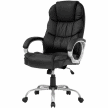
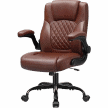
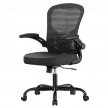
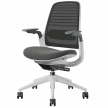
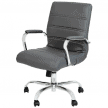

Did you know chairs have a weight rating? It’s tucked away in the specs section, usually at the bottom of the page and a lot of people never check it. Most standard office chairs are rated for 250-300 pounds, and while that covers many people, it doesn’t cover everyone. If you’re a larger person or simply want a chair built to last with extra-robust construction for long-term use, you’ll quickly find that standard chairs either feel flimsy, fail prematurely, or don’t offer the space and support you need. That’s where heavy duty office chairs come in.
Heavy duty chairs aren’t just about higher weight ratings, that’s almost a consequence rather than a goal. They’re chairs built with reinforced frames, wider seats, higher-grade materials, and construction designed to handle more stress over longer periods. Whether you need a chair rated for 400, 500, or 600+ pounds, or you simply want something rock-solid that’ll last years of intensive use, heavy duty chairs offer peace of mind that standard options can’t match.
This guide breaks down what makes a chair heavy duty, which features matter most, and how to avoid common pitfalls when shopping in this category.
When Does a Chair Become “Heavy Duty”?
A heavy duty chair is one that’s fundamentally overengineered, with every component designed to handle significantly more load and stress.
The most obvious indicator as a starting point is that weight capacity rating. Heavy duty chairs typically start at 350 pounds and go up from there, with many rated for 400-500 pounds and specialty options exceeding 600 pounds. But these ratings should come with reinforcement throughout: heavier steel frames, Class 4 gas lift cylinders, metal bases, and thicker seat cushions with higher-density foam that won’t compress prematurely.
Beyond weight capacity, heavy duty chairs address size. Standard chairs often have seat widths of around 19-20 inches. Heavy duty chairs typically offer 22-24 inches or wider, along with deeper seat pans and taller, wider backrests. Everything scales up to provide proper support for larger frames.
Finally, there’s longevity. Heavy duty chairs use higher-grade upholstery that won’t tear or wear quickly, mechanisms that maintain tension and smoothness after years, and construction that doesn’t develop wobbles or creaks. You’re investing in something that should still feel solid five or ten years down the line.
Key Features to Prioritize
When evaluating heavy duty chairs, certain features separate genuinely robust options from standard chairs with increased weight ratings.
Reinforced Frame Construction
The frame is the skeleton of the chair, and in heavy duty models it should be steel throughout. Not just the base, but reinforcement in the backrest, under the seat pan, and in stress points where standard chairs may use plastic. Some manufacturers advertise “metal frame” but only reinforce certain areas, so check descriptions carefully or look for reviews mentioning build quality.
Steel thickness matters too. Heavy duty chairs use heavier gauge steel that won’t flex under load. You can often infer quality from overall chair weight, genuinely heavy duty chairs weigh a good chunk more because of all that metal reinforcement.
Upgraded Gas Lift Cylinders
The gas lift cylinder adjusts seat height and is a critical safety component. Standard chairs usually use Class 2 or 3 cylinders, but heavy duty chairs should feature Class 4 cylinders rated for the chair’s full weight capacity. These have been tested to more rigorous standards and are less likely to fail.
Cylinder failure is rare but can be dangerous, especially near or above the rated capacity. A proper heavy duty chair should explicitly mention its cylinder rating, if it doesn’t, that’s a red flag. Class 4 cylinders will also maintain smooth operation longer and more stably hold their position.
Wide, Stable Base
Heavy duty chairs need stability, which usually means wider, heavier bases. Standard chairs typically use 27-28 inch diameter bases, while heavy duty models will push things further towards 28-30+ inches. This wider footprint prevents tipping and provides better weight distribution.
Material matters. Plastic bases just aren’t suitable for heavy duty use. Look for metal bases, steel or aluminum, with reinforced spoke construction. The casters should also be heavy duty rated, often larger in diameter to handle increased load and provide smoother rolling.
High-Density Seat Cushioning
Cheap foam compresses quickly under constant load, leading to that dreaded “bottoming out” feeling or a ditch developing. Heavy duty chairs should use high-density foam, often cold-cured that maintains its shape over years.
Look for seat cushions at least 3-4 inches thick. The cushion should feel firm rather than plush, that firmness prevents compression and provides long-term comfort. Some heavy duty chairs feature layered foam construction with different densities or materials, combining initial comfort with lasting support.
Extra-Wide Seat Dimensions
A heavy duty weight rating means nothing if the seat is too narrow. Heavy duty chairs should offer seat widths of at least 22 inches, with many providing 24 inches or more. Seat depth should be adjustable or generous enough to support different leg lengths.
The seat edges matter too. Look for waterfall edges that curve down to reduce pressure behind knees, and check that wider seats don’t compromise armrest reach. Some heavy duty chairs widen the seat but forget to widen armrest placement proportionally which somewhat defeats the purpose.
Robust Mechanisms and Adjustability
All adjustment mechanisms—tilt, recline, and lumbar support—need heavy duty ratings too. Standard mechanisms often feel stiff or break when supporting higher weights. Heavy duty chairs should use reinforced tilt mechanisms with higher weight ratings and tension adjustments that accommodate heavier users.
Armrests are a common failure point. Look for armrests mounted to the frame rather than just the seat, with metal mounting brackets. The adjustment mechanisms should feel solid and lock securely, not wobbly or prone to gradually lowering during use.
Understanding Weight Capacity Ratings
We’ve mentioned it a couple of times but let’s clear up what that rating actually means because while weight capacity is the headline spec, there’s more to understand than just the number.
First, understand how they come to these numbers. Ratings are tested under static load in controlled settings. Think the manufacturer-listed miles-per-gallon rating for a new car. Those are the absolute best case scenario numbers from a lab and should be taken with a grain of sale.
Real-world use involves dynamic movements, sitting down a little harder after a tough day, shifting around, leaning back suddenly when that 4:58pm email comes in. Look for chairs with ratings at least 50-75 pounds above your actual weight for better performance and longevity. Headroom is good to have.
Second, different components have different limits. The gas lift cylinder, base, and frame all have their own capacities. A chair might theoretically support 500 pounds structurally, but if it’s using a Class 3 cylinder only rated for 300 pounds, you have a weak link.
Third, be wary of suspiciously high ratings at budget prices. A genuine 500-pound-rated chair requires expensive materials throughout. A $200 chair claiming 500 pounds is likely exaggerated or cutting corners that may lead to premature failure.
Different Types of Heavy Duty Chairs
Heavy duty isn’t a style as such, it’s more a build specification, so you can find heavy duty versions across different categories.
Heavy Duty Office Chairs are straightforward task chairs scaled up for higher capacity. They focus on functionality with mesh or fabric upholstery, basic ergonomic features, and professional appearances. Ideal for office environments where you need reliability without bold styling.
Heavy Duty Executive Chairs offer traditional executive aesthetics like high backs, leather upholstery, padded armrests, just with reinforced construction. They emphasize presence and classic comfort but tend to be larger and more substantial, which can overwhelm smaller spaces.
Heavy Duty Ergonomic Chairs combine high weight capacity with comprehensive ergonomic adjustability. These are typically the most expensive but offer the best of both worlds if you need serious support for both your body and your weight.
Heavy Duty Gaming Chairs maintain those classic gaming aesthetics like bold colors and racing-inspired designs, while scaling up seat dimensions and weight ratings. Many brands will call these the XL or XXL versions of popular models. Just remember gaming chairs’ ergonomic claims can often be overstated, so prioritize actual adjustability over marketing.
What to Watch Out For
There are plenty of heavy duty chair options in the market and it can quickly become tricky to tell one from the next. Here’s a quick overview of some key things to check.
Inflated Weight Ratings
Some manufacturers list aspirational capacities their chairs simply can’t support long-term. These will be based on best-case lab testing over shorter test periods. In reality, components wear quickly, cushions compress prematurely, and mechanisms fail. Cross-reference ratings with those construction details we mentioned: metal frame, Class 4 cylinder, metal base. If the rating is high but construction details are vague, be skeptical.
Standard Chairs with Big Numbers
Some brands take standard chairs, beef up one or two components, add a 350-400 pound rating, and call it heavy duty. True heavy duty chairs should be visibly more robust. We’re talking wider, heavier, and chunkier throughout.
Ignoring Dimensions
Greater weight capacity doesn’t guarantee greater comfort. A 400-pound-rated chair with a 20-inch seat width will feel cramped and you’ll lose the benefit. Always check seat width, depth, and backrest dimensions alongside weight ratings.
Skimping on Budget
Heavy duty chairs require expensive materials. Expect to spend $300-600 for decent options, with premium chairs running $800-1200+. Trying to find a $150 chair with a 400-pound rating usually means compromised quality.
Overlooking the Warranty
Look for warranties of at least 3-5 years minimum, though more is always better. Some brands will offer lifetime warranties on frame and gas cylinder too. Read the fine print though, some warranties exclude the components most likely to fail, which is a red flag.
Testing and Buying Considerations
With the rise of online shopping it’s becoming harder and harder to test chairs before buying and heavy duty chairs aren’t always in physical stores anyway. If you can visit a store, do it. Even sitting in similar models helps you understand what seat width and cushion firmness feel right.
When buying online, prioritize retailers with generous return policies or brands with return guarantees. Many offer 30-day returns, giving you time to properly evaluate the chair. Check specifics though because some exclude larger chairs or charge substantial restocking fees.
Reviews are your friend, but read them strategically. Look for reviews from people who mention their weight or size and have used the chair for months. Initial impressions matter less than long-term durability. Pay attention to patterns, if multiple people mention armrest failures or gas cylinder issues, that’s significant.
Check dimensions against your body and current options. Measure your existing chair, even if it’s not a heavy duty options. Note what feels too small, and compare to prospective chairs. Also measure your desk height and available space, heavy duty chairs are often taller and wider.
Don’t forget comfort or ergonomic features. Adjustable lumbar support, proper cushioning, adjustable armrests, and smooth tilt mechanisms matter just as much in heavy duty chairs. The best options don’t make you choose between robust construction and genuine comfort, they deliver both. Also consider breathability, thick padding can trap heat, so look for mesh backs or perforated upholstery if you run warm.
Making the Investment
Heavy duty chairs will likely cost more than standard options, and that’s okay. It’s not a size tax. You’re paying for materials, construction, and longevity that standard chairs just don’t offer. A $500 heavy duty chair lasting eight to ten years is better value than a $150 standard chair needing replacement every two years because it’s used beyond its design limits.
Think about the per-day cost. Spending $500 on a chair used daily for eight years is less than 20 cents per day. Compare that to the discomfort of a too-small chair, the anxiety of one that feels unstable, or repeatedly replacing inadequate chairs.
There’s also the health angle. A proper chair that fits your body and supports your weight correctly reduces strain on your back, hips, and legs. Over years of use, that’s a meaningful quality of life difference.
Bringing It All Together
Heavy duty office chairs serve a crucial need that standard chairs can’t meet. Whether you need higher weight capacity, want extra robust construction for durability, or require larger dimensions for comfort, heavy duty chairs deliver peace of mind and long-term performance worth the investment.
Focus on fundamentals: metal frame construction, Class 4 gas cylinders, wide stable bases, high-density cushioning, and dimensions that fit your body. Don’t get distracted by inflated weight ratings on cheaply constructed chairs. Check details, read reviews from long-term users, and invest in quality construction that’ll last.
A good heavy duty chair should feel solid from the first sit, maintain that solidity for years, and provide the space and support you need without compromise. That’s the standard you’re looking for.