
 Ice Maker
 Chairs
 Kettles
 Projectors
 Air Purifiers
 Headphones
 Smartwatches
 Humidifiers
 Keyboards
 Tablets
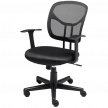
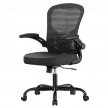
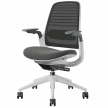
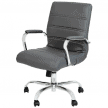

Mesh chairs are everywhere in modern offices, promising breathability and ergonomic support with that distinctive woven back material. They’re popular, but also one of the most polarizing categories in office seating. Some people swear by mesh and can’t imagine going back. Others try it once, hate the feeling, and return to more traditional cushioned chairs immediately.
The truth is mesh isn’t universally better or worse than other types of chair, it’s just different. It offers specific advantages like airflow and durability, but comes with trade-offs that make it wrong for certain people and situations. This guide breaks down mesh as a material, compares it directly to alternatives, and helps you figure out if a mesh chair is actually right for you.
What Is a Mesh Chair?
Mesh is a woven synthetic material, typically made with nylon or polymer, that’s stretched tightly across the chair frame to create a breathable surface. Unlike solid foam cushions that compress, mesh works through tension and elasticity, distributing your weight across that woven structure.
Quality can vary quite dramatically with mesh and it’s important to be aware of it. Premium mesh uses engineered polymers that maintain consistent tension for years and provide even weight distribution.
Cheap mesh on the other hand often feels scratchy, sags quickly, and lacks the same sophisticated engineering. The frame matters as much as the mesh itself too because proper tension across a well-designed frame is what makes mesh work. Even the best mesh material will struggle on a bad frame, and a great frame elevates underwhelming material.
Some more advanced mesh chairs use variable tension zones with a tighter weave in some places for support and looser weave in others for flexibility. The newest designs combine different materials in one backrest too, with firm support mesh in the lumbar region, softer mesh higher up.
Mesh Back vs. Full Mesh Chairs
Most mesh chairs will use mesh for the backrest but keep a more traditional foam-padded seat. This hybrid approach makes sense, it’s a best of both worlds situation as your back benefits from breathability while your seat gets the cushioned comfort you’re used to. This is the most common configuration and should work for the widest range of people.
Full mesh chairs on the other hand use mesh for both the back and seat. These are less common and more polarizing because they end up being quite a unique sit. The mesh seat provides maximum breathability and good support, but also a much firmer, and somewhat bouncy feel. Some people find it comfortable once they adjust, others never get used to it. The Herman Miller Aeron popularized this approach and it’s now being used more widely by different brands across price points.
The big win with a full mesh chair is it eliminates the risk of cushion compression entirely. There’s no foam to break down, no padding to flatten—what you get on day one should remain consistent for years. However, the trade-off is you’re sitting on a firm, suspended surface with less give. If you’re considering mesh, starting with a mesh back and padded seat is a safer bet than going all in immediately. You get most of the benefits, especially breathability where it matters most, while keeping a familiar sitting experience.
The Case For Mesh
Breathability
This is the mesh chair’s biggest advantage. Traditional padded chairs and upholstery trap heat so after an hour or two, your back gets sweaty and uncomfortable. Mesh solves this completely with airflow through the material. If you run warm, work in hot environments, or just hate a sticky back, this is significant.
Durability
Quality mesh doesn’t compress like foam cushioning can. Foam gradually flattens over years until you’re feeling the base through the cushioning, while mesh maintains its support characteristics for the chair’s life. It also stays looking newer for far, far longer. There’s no risk of fabric stains and pills, cracking or wearing leather, mesh just stays looking like mesh.
Support Characteristics
A good mesh chair provides firm, consistent support without pressure points. The even weight distribution means no hot spots from uneven cushioning and for people with back issues needing consistent support during long sessions, quality mesh often outperforms even premium foam.
The modern aesthetic matters too. Mesh chairs photograph well and look rather smart on a video call, they’ll fit contemporary offices, and signal “modern workplace” in ways traditional chairs don’t.
The Case Against Mesh
Firmness
This is the mesh chair’s biggest limitation. Mesh chairs will always feel particularly firm when compared to padded alternatives. That’s by design, they’re ultimately prioritizing support and ergonomics before thinking about cradling comfort. Some users will quickly adapt within a week and prefer it, others never stop missing plush padding. This is especially noticeable with full mesh seats.
Minimal Padding
There’s no forgiveness with a mesh chair, you’re relying entirely on the mesh’s tension for comfort. This can actually generate different comfort results for different body types. Particularly thin or light people might find a mesh chair less comfortable than a larger person who can generate a little more stretch and bounce in the material.
Cost
There are always options up and down the price scale, but with mesh chairs this can often be a barrier. Quality mesh with proper engineering isn’t cheap, and budget mesh often uses inferior material that you wouldn’t really want to sit on. Decent mesh chairs start around $300-400, with premium options reaching $1,200+.
Aesthetics
This is a matter of personal preference, but mesh chairs are more likely to stand out and draw attention. The modern technical look doesn’t work for traditional offices where leather executive chairs are expected. And mesh can’t really be customized, you’ll usually be stuck with simple black or light gray solid colours, versus dozens of fabric/leather colours and designs.
Mesh vs. Other Materials
Let’s stick mesh chairs head to head against other chair types to see how they compare.
Mesh vs Fabric
Fabric offers a softer, more traditional feel and still allows for some breathability depending on the weave. However, mesh wins decisively on airflow and is easier to maintain. Fabric upholstery absorbs spills, collects dust, and shows stains badly—mesh can’t do any of those. Fabric provides plush comfort where mesh is firmer and less forgiving, and you’ll have a far greater range of colours, patterns and designs to choose from.
Mesh vs Leather
Leather provides premium aesthetics and traditional executive styling but barely breathes, there’s no avoiding it, your back will get warm and sweaty. Real leather ages beautifully with care but is expensive, while cheaper PU leather options often crack within a couple of years. Mesh outlasts most leather in maintaining its original condition and is essentially maintenance-free. Leather wins for traditional professional settings; mesh for modern, technical environments.
Full Mesh vs Full Padding
Fully padded chairs offer a familiar, immediately comfortable and cushioned feel. Padding accommodates imperfect posture a little better, however, all padding eventually compresses and loses support. This happens faster with cheap foam and slower with high-density cold-cured cushions, but it always eventually. When cushioning is shot, the chair is done and there’s no coming back without replacing it. Mesh doesn’t degrade this way, how it feels and performs on day one is how it’ll stay until you sit on it for the last time. It’ll take some getting used to if you’re coming from a life of fully padded chairs, though some people swear by full mesh chairs being more comfortable in the long run.
When to Choose Mesh (And When to Skip It)
Choose mesh if you:
- Run warm or work in hot and humid environments
- Prefer firm, supportive seating over plush cushioning
- Want a chair that maintains support for years without foam degradation
- Appreciate modern, technical aesthetics
- Spend long hours sitting and need consistent back support
Skip mesh if you:
- Prefer plush, cushioned seating and want that “sink into it” comfort
- Have very thin or bony build where firm support could be uncomfortable
- Want traditional executive aesthetics or upholstery color options
- Haven’t tried mesh and can’t test first, the adjustment period makes it a gamble
- Are on tight budget—quality mesh isn’t cheap, budget mesh is often uncomfortable
Choosing Quality Mesh
Quality mesh should feel smooth and slightly elastic, not scratchy or stiff. Like the stitching on decent quality clothing, the actual strands themselves should almost feel slightly soft. Press on panels, they should give with a medium level of resistance, and they should give evenly without feeling loose or saggy. Check the frame construction too, remember mesh is only as good as what’s holding it together. Look for purpose-built structures with tension adjustments, not just mesh stretched over a basic frame.
Try it if possible. Even 10 minutes sitting on a couple of different mesh options in a store will show whether the firmness works for you. It doesn’t even matter if this isn’t the chair you’re looking at buying, it’s good insight. Research the brand’s reputation with mesh, known names like Herman Miller, Steelcase, and premium manufacturers have decades of experience engineering mesh.
Living With Mesh
Just like moving in with a new housemate or partner, it can be a shock to the system when you start living with a mesh chair. Expect an adjustment period of a week or two when switching from padded chairs. The firm support feels different initially and there’s just no comparison with a more traditional cushion. Some people adapt easily, others never fully adjust—there’s no shame in deciding mesh isn’t for you!
Mesh requires minimal maintenance: give it a quick vacuum occasionally and wipe with a damp cloth for spills (though most will end up on your floor, anyway). Consider the temperature in your workspace too. If your office swings seasonally, mesh is wonderful in summer and potentially chilly in winter. Some keep a thin cushion or throw for winter use, just make sure it’s not so thick that you start to detract from the benefits of that responsive mesh back altogether.
Bringing It Together
Mesh chairs aren’t universally better or worse—they’re a different approach with specific strengths and limitations. The breathability and long-term durability are exceptional, but the firm support and lack of plush comfort aren’t for everyone.
The decision comes down to honest self-assessment. If you value staying cool, prefer firm support, want consistent long-term performance, and appreciate modern design, mesh is worth trying. If you want immediate plush comfort, prefer traditional aesthetics, or just don’t like firm seating, padded alternatives are perfectly valid.
Don’t buy mesh because it’s trendy. Buy it because the specific advantages align with your priorities and the trade-offs are acceptable. That’s the only way to ensure you’ll be happy with mesh rather than joining the ranks of people who bought the aesthetic without considering whether the reality would work for them.