
 Ice Maker
 Chairs
 Kettles
 Projectors
 Air Purifiers
 Headphones
 Smartwatches
 Humidifiers
 Keyboards
 Tablets

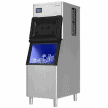
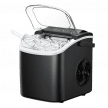

Countertop ice makers fill a specific gap that your freezer’s built-in ice maker can’t address. They’re portable, require no installation, and can produce 20–40+ pounds of ice per day when you need it. I’ve worked with ice maker manufacturers on sensor specifications and refrigeration systems, and the technology in these compact units has come a long way.
One thing trips up almost every first-time buyer, though: the storage bin on these units is insulated, not refrigerated. Ice melts. That meltwater drains into the reservoir, and the machine freezes it again, and the cycle repeats. Knowing this before you buy prevents the number one complaint I hear about countertop units.
I recommend countertop ice makers for apartments that lack built-in ice, RV owners, anyone running a home bar, and families who burn through ice during cookouts. Your freezer’s ice maker produces maybe 3–4 pounds per day. A decent countertop unit cranks out 25–40 pounds. When you’re hosting, the math works in your favor fast.
How Countertop Ice Makers Actually Work
I’ve worked on sensor specifications for ice maker manufacturers, so I’ve seen these systems from the inside. Water pumps up from the reservoir onto metal prongs or flat plates (the shape depends on what type of ice the unit makes). Refrigerant running through those metal pieces pulls their temperature way below 32°F. Ice builds up in layers until it reaches the target thickness, then a brief warming cycle releases the cubes into the bin.
The whole cycle takes 6–15 minutes, depending on the unit and ambient conditions.
Here’s what most buyers don’t realize: these units recirculate water continuously. Ice that melts in the bin drains back into the reservoir and gets frozen again. On the plus side, you’re not wasting water. The downside is concentration. Each cycle leaves behind a little more mineral content and residue. Run the unit nonstop for a week, and you’ll notice the ice tastes different.
Production Capacity: Matching Output to Your Actual Needs
Production capacity is the single biggest factor when choosing a countertop ice maker, but the advertised numbers need context. Manufacturers rate daily production under ideal conditions: typically 70°F ambient temperature with cold inlet water. Push that ambient temperature to 90°F during a summer cookout, and actual output drops by 20–30%. I’ve seen spec sheets from OEMs that show this derating clearly in their engineering data, but consumer marketing materials conveniently leave it out.
For practical planning, here’s what different production levels actually support:
Cycle time matters just as much as daily totals. A unit that produces a batch every 6–7 minutes recovers quickly when you empty the bin during a party. A 15-minute cycle leaves guests waiting.
Storage bin capacity typically ranges from 1.5 to 3+ pounds. During high-demand events, that means periodically dumping ice into a cooler or freezer bag to keep production flowing.
The Specs That Actually Matter
Beyond raw production numbers, a handful of specifications separate units that perform well long-term from those that disappoint within months. These are the features I weigh most heavily when evaluating countertop ice makers.
Self-Cleaning Function
Self-cleaning earns top priority for a reason. Mineral deposits build up on evaporator prongs over time, reducing heat transfer efficiency and degrading ice quality. In hard water areas, this happens fast.
A real self-cleaning cycle runs water or a cleaning solution through the whole system long enough to break down mineral scale and wash it out. The alternative is pulling the unit apart and hand-scrubbing those evaporator prongs yourself. I’ve never met a homeowner who actually does that on schedule. Six months pass, mineral crud accumulates, and suddenly the ice coming out smells like the municipal water treatment plant.
Budget units love to print “self-clean” on the packaging when they’re really just running tap water through the system for a couple of minutes. That accomplishes almost nothing. You want a cycle that runs at least 15–20 minutes, ideally with some agitation.
Built-in Water Filtration
A built-in filter grabs chlorine, particulates, and dissolved minerals before water reaches the evaporator. From day one, ice tastes noticeably cleaner. The internal components stay cleaner, too, since mineral deposits form more slowly. You can skip this feature if you’re willing to fill the reservoir with pitcher-filtered or bottled water every time, but that gets old fast and adds up at the grocery store.
People with well water or heavily treated municipal water benefit the most from built-in filtration. Fewer cleaning cycles, longer part life, better-tasting ice. Before buying, check two things: the replacement filter cost and whether you need tools to change it.
Water Reservoir Capacity
Ask yourself how often you want to babysit the machine. A 1.5L tank on a unit rated for 30+ lbs/day can run dry in just a few hours. A 3L tank can churn out ice overnight while you sleep.
Undersized reservoirs bottleneck production. I’ve seen units with impressive daily ratings that can’t actually hit those numbers because the reservoir runs dry mid-cycle. As a rule of thumb, assume 2.5L minimum for any unit rated above 26 lbs/day.
Noise Levels
Countertop ice makers live in kitchens, not basements. Noise matters, especially if the unit runs near conversation areas.
Decibel ratings tell part of the story:
- Under 35 dB: Barely noticeable, library-quiet
- 35–39 dB: Quiet background hum
- 40–44 dB: Audible but tolerable
- 45–49 dB: Noticeable, may bother some users
- 50+ dB: Loud enough to disrupt conversation
Compressor type drives most of the noise difference. Standard rotary compressors cycle on and off abruptly, creating periodic noise spikes. Inverter compressors modulate speed and tend to run quieter and more consistently.
Safety Certifications
Most buyers gloss over certification logos. I get it. But this appliance sits on your counter, plugs into your wall, and produces something you put in your mouth. Those stamps from testing labs carry weight. Here’s what each one tells you:
I recommend prioritizing units with at least UL listing. NSF certification adds another layer of assurance that the ice bin and water-contact components meet sanitation standards, which matters for something that ends up directly in your drinks.
Compressor and Refrigerant Considerations
The compressor is the heart of any ice maker. The type inside your unit determines how loud it runs, how much power it draws, and how many years of service you can realistically expect.
Standard rotary compressors are the baseline, and they get the job done, but that hard on-off cycling wears components faster and creates noise spikes you’ll notice across the room. Variable-speed compressors adjust output gradually, reducing mechanical stress and keeping sound levels more consistent. Inverter compressors cost the most, but they deliver on every front: the lowest noise floor, the smallest electric bill, and the longest service life.
Refrigerant choice rarely shows up in product descriptions, but it matters. R-134a is the old workhorse you’ll find in plenty of budget units. It’s being phased out globally because of its climate impact. R-600a (isobutane) already dominates the European market because it transfers heat more efficiently while carrying a smaller environmental footprint. R-290 (propane-based) performs even better thermodynamically, though it’s flammable enough that factories have to handle it with extra care.
Planning to keep your ice maker past the five-year mark? Units running R-600a or R-290 are less likely to become repair headaches as older refrigerants become harder to source.
Insulation and Ice Retention
Insulation does two jobs: keeping ice solid in the bin and giving your compressor a break between cycles. Budget models typically wrap the bin in single-wall plastic. It might as well be cardboard for all the thermal resistance it provides. Ice softens fast, meltwater hits the reservoir constantly, and the compressor never stops running.
Double-wall construction improves retention noticeably. Foam-injected insulation performs best, keeping ice intact during idle periods and reducing overall energy consumption.
Poor insulation creates a cascade of problems. Frequent melting and refreezing make your ice cloudy and soft. Meanwhile, your compressor is grinding away constantly, which burns out motors faster than normal use would. Energy costs creep up. For occasional use, this may not matter, but for units running daily, insulation quality affects both operating cost and longevity.
Control Panel and Usability
Control interfaces range from basic push buttons to smart Wi-Fi-enabled panels. The differences affect daily usability more than you might expect. Button-only units leave you guessing about cycle progress and water levels. You open the lid to check, which lets cold air escape and slows production. Digital displays show status at a glance: water level, ice size selection, cleaning reminders, and error codes.
LED panels with timer functions let you schedule production around your needs. Start making ice before guests arrive rather than scrambling once the party begins. Smart-enabled models add remote monitoring through a phone app, which sounds excessive but proves useful if the unit sits in a garage or basement bar. For a kitchen counter unit you walk past regularly, basic digital controls work fine.
Features Worth Considering
Beyond the core specs that drive our scoring, personal preferences determine which unit fits your household. These features don’t change ice quality, but they do affect day-to-day satisfaction.
- Ice size options: Some units offer two or three sizes; single-size units limit versatility for different drink types
- Ice shape: Bullet ice is most common; nugget/pebble ice chews easily and cools drinks faster; clear cubes look premium but typically require slower production cycles
- Viewing window: Lets you check ice levels without opening the lid and losing cold air
- Exterior material: Stainless steel resists staining and looks polished; plastic weighs less and costs less; fingerprint-resistant finishes reduce maintenance
- Indicator lights: Ice-full and add-water alerts prevent overflow and dry-run damage
Common Mistakes To Avoid
- Trusting advertised production numbers too literally. The most common mistake I see is buying based on peak production claims without understanding ambient temperature derating. That 40 lbs/day unit might produce 28 lbs when it’s 85°F in your kitchen during summer. Plan for realistic conditions, not laboratory ideals.
- Skipping self-cleaning features. Buyers focus on production speed and ice shape, then neglect the feature that most affects long-term performance. After six months of mineral buildup, that fast-cycling unit slows down and the ice tastes stale. A self-cleaning model maintained monthly keeps performing at spec for years.
- Overlooking noise levels. Reading “45 dB” on a spec sheet doesn’t register until the compressor kicks on during a quiet dinner. For open kitchens or shared living spaces, aim for under 40 dB, or accept that you’ll hear it humming.
- Expecting the bin to freeze ice. I talk to a lot of buyers who think the storage bin works like a freezer. It doesn’t. The bin keeps ice cold, not frozen. Stockpiling ice? Grab a freezer bag, fill it from the bin, and toss it in your actual freezer. Otherwise, you’ll wake up to a bin of slushy half-cubes that sat there melting all night.
Which Countertop Ice Maker Is Right for You?
Your ideal unit depends on how you’ll actually use it.
For occasional use in a small household, a basic model producing 20–26 lbs/day with self-cleaning covers your needs without overspending. Look for reasonable noise levels and simple controls.
Families of four or anyone running the unit daily should look at 27–33 lbs/day capacity with at least a 2.5L reservoir. At this usage level, skip units without self-cleaning. Built-in filtration starts making financial sense, too. Spend a bit more on good insulation now, and you’ll save on compressor replacement later.
For entertaining and heavy demand, target 34+ lbs/day production with fast cycle times under 8 minutes. Premium insulation, inverter compressor, and comprehensive certifications (UL + NSF) justify the higher price point. Consider noise carefully if the unit will operate during parties.
If your needs exceed what countertop units deliver, or you want ice stored frozen without constant attention, an undercounter or built-in unit may suit you better. For more on those options, see our main ice maker buyer’s guide.