
 Ice Makers
 Chairs
 Kettles
 Projectors
 Air Purifiers
 Headphones
 Smartwatches
 Humidifiers
 Keyboards
 Tablets
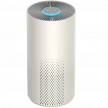
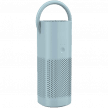
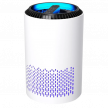
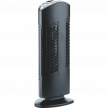
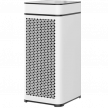
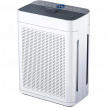

Do you or someone in your household struggle with allergies or asthma? Or are you simply concerned about the air quality in your home? A good air purifier can make a real difference – by removing airborne allergens and irritants before they reach your nasal passages, where they can trigger sneezing, coughing, or congestion.
The most effective models use True HEPA filtration, capturing up to 99.97% of particles as small as 0.3 microns – including pollen, dust mites, pet dander, and mould spores. By continuously cycling and filtering the air, these purifiers help maintain a cleaner, more comfortable environment – especially during pollen season, in homes with pets, or in humid areas prone to mould growth.
With so many models available, finding the right one can feel overwhelming. This guide breaks down what to look for when choosing the best air purifier for allergy relief.
Room Size Performance
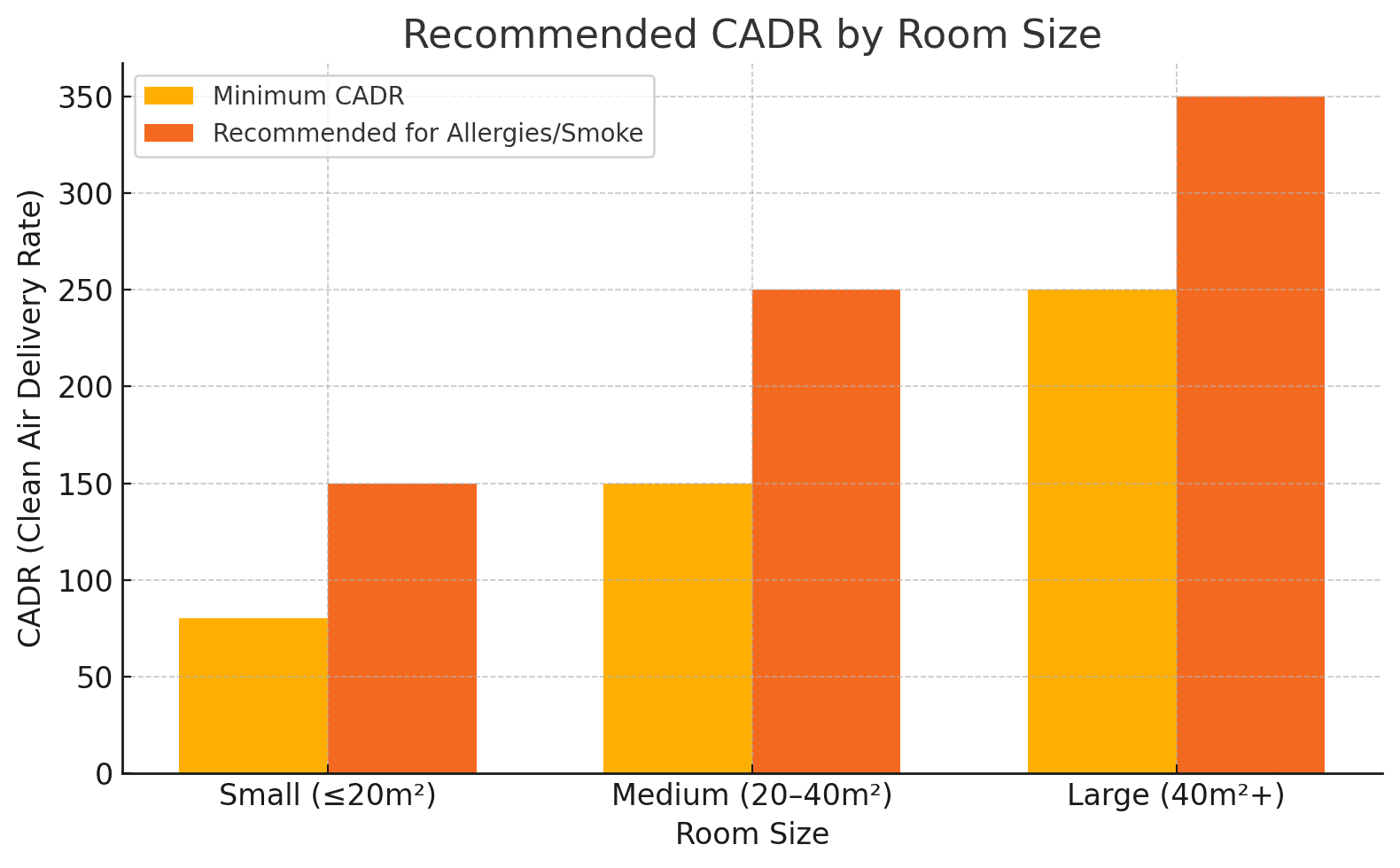
The performance of an air purifier is commonly rated using CADR (Clean Air Delivery Rate), measured in cubic metres per hour (m³/h). This indicates how effectively the purifier can reduce microparticles such as pollen and dust, as well as odours and smoke from the air. It’s one of the most important aspects when choosing an air purifier.
Filter Types
The filter system is the most important component in an allergy air purifier – it determines how effectively allergens are removed, how often maintenance is needed, and the unit’s overall running cost. Air purifiers designed for allergy relief typically feature a True HEPA filter or a multi-stage setup that targets both particles and odours.
- Pre-filter: Captures large particles such as hair, lint, and dust, protecting the HEPA filter and extending its lifespan.
- True HEPA filter: The key for allergy control – traps up to 99.97% of microscopic particles as small as 0.3 microns, including pollen, dust mites, pet dander, and mould spores.
- Activated carbon filter: Helps remove odours and VOCs (volatile organic compounds) that can worsen respiratory irritation or trigger sensitivities.
- HEPA + Carbon combination: The most effective setup for allergy and asthma sufferers, capturing allergens while neutralising smells and gases.
- Ion filter (optional): Some purifiers use ionisation to help remove particles from the air, but it’s not essential for allergy relief and can be avoided by sensitive users.
- Ozone filter: Not recommended for allergy sufferers, as ozone can aggravate asthma and respiratory conditions.
If you’re struggling with multiple allergies, consider a combined filter and high, clear air delivery rate.
Air Quality Sensor
An air quality sensor is an important part of an air purifier, and you shouldn’t buy one without it. It works by continuously monitoring the air and automatically adjusting fan speed.
Smart Connectivity (Wi-Fi, App)
Just like other modern appliances, air purifiers often come with Wi-Fi compatibility, meaning you can control them remotely or from another room using the brand’s app. Some models even let you use voice commands with smart home assistants like Alexa for convenient, hands-free operation.
While turning the unit on and off via the app is standard, there are additional functions your app might support, such as:
Typical Modes & Functions
Most air purifiers come with a handful of preset modes such as timer, sleep mode and more. However, if you’re looking for an air purifier that will adapt to specific needs and lifestyles, such as in homes with children and pets, look for advanced units with more options. These might include:
- Auto mode: Adjusts fan speed automatically based on detected and preset air quality.
- Sleep mode: Operates quietly at low speed and often dims all the lights, perfect for nighttime use.
- Child lock: Disables the touch screen and buttons – ideal for families with children or pets.
- Fan-Only Mode: The appliance runs as a regular fan without activating filtering components (not always included, varies by model).
- Eco / Energy-Saving Mode: Reduces power consumption by lowering fan speed, often turning off when the air quality is balanced.
Filter Lifecycle
Filters need regular cleaning or replacement to extend your air purifier’s lifecycle. Always check the type and recommended replacement frequency before purchase to maintain efficiency and avoid unexpected running costs.
- Replaceable filters: Most HEPA and carbon filters need replacement every 6–12 months, depending on frequency of use.
- Washable filters: Some models include washable pre-filters or permanent HEPA layers.
- Both: Premium units may feature washable pre-filters combined with replaceable HEPA or carbon filters.
Noise Level (dB)
Air purifiers make some noise because of their internal moving parts. Whether you’re planning to run your air purifier overnight, in a child’s bedroom, or just don’t want to be disturbed when working or relaxing, consider the noise level before purchase. Most models operate quietly, but sound levels can vary between units and often, quieter operation comes at a higher price.
Energy Consumption
With rising energy bills, our appliances’ energy consumption is an important purchase factor. If you’re unsure what energy consumption to look for, compare selected products and use online calculators to get an idea of how much you’re going to spend on electricity. Here’s a general overview#;
Look for Energy Star-certified models for the best efficiency.
Maintenance Type
Air purifiers, and especially those with HEPA filters, need regular maintenance to ensure efficiency and longevity. Over time, filters and internal components become saturated with dust, which can lead to worsened airflow and decreased efficiency.
- No filters to replace: Some models use electrostatic plates to collect dust, reducing running costs.
- Wipe-clean collector plate: A reusable option that needs regular cleaning rather than replacement.
- Filter replacement: Most HEPA and carbon filters require replacement every 6–12 months. Regular replacement ensures optimal performance and prevents trapped pollutants from being released back into the air.
Portability
If you need to move your purifier between rooms or take it with you when travelling or visiting relatives, consider its portability features:
- Wheels: Recommended for medium to large-sized models and heavy-duty units.
- Handles: Especially useful for units whose components are made of glass, and for transporting between rooms or placing on shelves.
Design, Size, and Colours
From typical white cylinders to cubes, towers and bladeless loop towers, air purifiers come in various shapes, materials and finishes. They’re designed to blend easily into any room, and often come in neutral tones such as white or silver. If design is important to you, make sure to include your desired type in your search.
Light Indicators
Light indicators make it easy to track air quality and filter status at a glance. The most common light options include:
- LED ring: Displays air quality via colour codes (e.g., green = clean, red = polluted).
- Digital display: Shows PM2.5 readings, modes, and timer settings.
- LED indicator only: Simple lights showing power or filter alerts.
- None: Basic models with manual control only.
Certifications
Look for independent certifications to confirm your air purifier meets safety, performance, and environmental standards, and consider any awards from trusted publications or industry bodies.
- AHAM: Verifies CADR and room coverage.
- CADR rating: Indicates cleaning speed and capacity.
Energy Star: Confirms energy efficiency. - Quiet Mark: Recognises low-noise operation.
- Which? Certified: Which? is a trusted consumer organisation, reviewing and rating products for performance, reliability, safety, and value.
Dust Collection Bin
Microscopic particles such as dust and debris can restrict airflow and reduce performance of your air purifier. That’s why a collection bin is a key part of keeping your appliance operating effectively. A well-designed bin makes it simple to remove this buildup before it causes problems.
- Tray: Easy to remove and empty.
- Bag: Disposable option for mess-free maintenance.
- Washable bin basket: Eco-friendly and reusable.
Leading Manufacturers Overview
Blueair
Best for: Allergy Relief | Quiet Performance | Smart Features
Blueair’s purifiers are highly rated for allergy management thanks to its patented HEPASilent™ technology, which combines mechanical and electrostatic filtration to capture 99.97% of airborne particles down to 0.1 microns – including pollen, dust, and pet dander. Many models include activated carbon layers to reduce odours and gases, plus smart sensors and app control for real-time monitoring.
Cons: Premium pricing; not all models are certified True HEPA.
IQAir
Best for: Severe Allergies | Asthma | Medical-Grade Filtration
IQAir is a leader in clinical-grade air purification. Its HyperHEPA filters capture ultrafine allergens as small as 0.003 microns – far smaller than standard HEPA filtration can handle. Built in Switzerland, each unit is individually tested and sealed to medical standards, making it a top choice for people with severe allergies, asthma, or chemical sensitivities.
Cons: Expensive, large, and more advanced than most users require.
Levoit
Best for: Everyday Allergy Relief | Compact Spaces | Affordability
Levoit offers excellent value for allergy sufferers seeking simple, effective filtration. Its Core Series combines True HEPA and activated carbon filters to capture pollen, dust mites, and pet allergens in smaller rooms. With quiet operation, intuitive touch controls, and optional smart app connectivity, Levoit is ideal for daily home use.
Cons: Limited coverage and fewer high-end features than premium brands.
Philips
Best for: Consistent Allergy Protection | Smart Sensors | Quiet Operation
Philips air purifiers are engineered for allergy prevention through their VitaShield IPS filtration system, which removes fine allergens, dust, and even airborne bacteria. The brand’s AeraSense sensors automatically adjust airflow based on real-time allergen levels, maintaining optimal air quality day and night.
Cons: Replacement filters can be costly compared to generic options.