









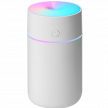
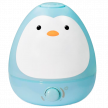
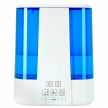
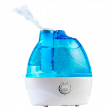


Dry indoor air can cause more than just discomfort; it can contribute to dry skin and eyes, irritated sinuses, restless sleep, and even damage wooden furniture or musical instruments. Low humidity is especially common during winter and in air-conditioned homes, but it can be a year-round issue in many climates.
Humidifiers offer a simple and effective solution. The challenge is choosing the right type for your space and lifestyle. With so many models, mist types, and features available, it’s easy to overbuy, underbuy, or end up with a unit that’s frustrating to maintain.
This guide is for anyone trying to decide which humidifier will actually work for their home. You’ll learn how to match a humidifier to your room size, understand which features matter (and which don’t), avoid common buying mistakes, and choose a model that improves comfort without unnecessary upkeep.
Quick Answer: How Do You Choose the Right Humidifier?
The right humidifier depends on three things:
- Room size (mist output + tank capacity)
- Mist type (ultrasonic, evaporative, or warm mist)
- How much maintenance you’re willing to do
For most homes, a quiet ultrasonic or evaporative humidifier with a humidistat and auto shut-off offers the best balance of comfort, safety, and ease of use. Larger spaces need higher output, while bedrooms and nurseries benefit most from low-noise, cool-mist models.
How Humidifiers Work
Humidifiers increase moisture levels in the air by releasing water vapour or mist. There are three main types of humidification technologies:
- Steam (Warm Mist): These boil water to produce steam, which is then cooled slightly before release. They’re simple and often used for congestion relief or germ control, but consume more electricity and can pose burn risks, especially around children.
- Ultrasonic: A high-frequency diaphragm vibrates to create a fine, cool mist. They’re whisper-quiet and energy-efficient but can produce white dust if tap water is used, especially in hard water areas.
- Evaporative: These use a fan to blow air through a wet wick or filter, naturally evaporating water into the air. They self-regulate based on humidity levels and don’t produce white dust. Though slightly noisier, they’re often considered the most balanced, low-maintenance option.
Your best choice depends on room size, noise sensitivity, and how much maintenance you’re comfortable with. Check out my full guide on how humidifiers work here.
How to Choose the Right Humidifier: Key Features to Look At
Output Rate (ml/hr)
Think of this as the “engine power” of your humidifier. A higher output means faster and more effective moisture delivery, ideal for larger or drier spaces.
Pro Tip: If you have high ceilings, a wood-burning stove, or regularly use heating/AC, go for the higher output even in a medium-sized room – dry air builds up faster than you think.
Tank Capacity
Tank size directly affects how often you’ll need to refill the humidifier, which has a bigger impact on day-to-day satisfaction than most people expect.
- <1L: Frequent refills required. Best for short, occasional use at a desk or bedside. Common for travel or personal humidifiers.
- 1–2L: Suitable for 8–10 hours of continuous use – enough to last through the night. A practical choice for small to medium bedrooms.
- >2L: Great for large rooms, open-plan areas, or all-day operation. Fewer refills needed. Look for this range if you’re humidifying living rooms, offices, or shared spaces.
Humidistat Control
Like a thermostat for humidity – automatically adjusts output to maintain a set level (often 40–60%). Models without one require manual control, which can lead to over- or under-humidifying your room and might become bothersome over time.
Auto Shut-Off
An essential safety feature that shuts off the unit when water runs out, preventing overheating or motor damage and conserving energy. Don’t buy a unit without this.
Hygiene Features
- Antimicrobial materials help slow the growth of bacteria and mold on the tank and internal surfaces. They don’t sterilize the water, but they reduce slime, odors, and buildup between cleanings.
- UV-C light systems use ultraviolet light to neutralize bacteria and microorganisms in the water before it’s released as mist. This is one of the most effective hygiene features, especially for daily use or when using tap water.
- Demineralization cartridges or filters reduce mineral content in the water, which helps prevent white dust, scale buildup, and mineral-based bacterial growth. This keeps both the air and the humidifier cleaner over time.
- Easy-clean tank design means wide openings, smooth interior walls, and minimal crevices. If you can easily reach and scrub the inside, you’re far more likely to keep the unit hygienic long term.
- Dishwasher-safe parts allow you to clean tanks or accessories using high heat. This is more effective than rinsing and makes routine maintenance much easier to stay consistent with.
- Auto-dry or tank-drying functions run the fan briefly after shutoff to remove leftover moisture. This reduces standing water, which is one of the biggest causes of mold growth.
- Replaceable wick filters are used in evaporative humidifiers to trap minerals and impurities. Regular replacement is essential, as old wicks can harbor bacteria and reduce performance.
Noise Level (dB)
For bedrooms or nurseries, opt for <30 dB, which is comparable to whispering or a gentle rustle of leaves. Ultrasonic models are usually the quietest. Evaporative ones can hum softly due to their fan, but don’t tend to be intrusive. To help, here’s a chart with decibels compared to common noise levels.
Energy Use (Watts)
Energy efficiency is easy to overlook, but humidifiers are frequently used for long stretches, sometimes all day. A less efficient unit can quietly add to your electricity bill over the winter, while efficient models deliver the same humidity with lower ongoing costs and less heat waste.
- Ultrasonic models: Often <20W, very energy-efficient
- Warm mist models: Typically >40W, better for short-term therapeutic use
Common Mistakes Buyers Make
When buying a humidifier, it’s easy to get swept up by stylish designs or big marketing claims. But overlooking practical details can lead to frustration, wasted money, or worse, poor air quality. Here are the most common mistakes and how to avoid them:
Neglecting Refill Frequency
Tank size isn’t just a spec – it directly affects your daily routine. If your humidifier requires refilling multiple times a day, you might find it annoying after some time, which will affect how much you use it.
- A 0.5–1L tank may only last 4–6 hours on high output, meaning you’ll be refilling it multiple times a day – a hassle in the middle of a busy schedule (or overnight).
- 2L+ tanks are better for all-day or overnight use and reduce maintenance.
Some buyers prioritise compactness over practicality and then realise too late that their humidifier needs near-constant attention. Always check how long a full tank lasts at your preferred mist setting, not just the litre capacity.
Judging by Aesthetics Alone
Looks matter – especially in shared living spaces – but a sleek humidifier that performs poorly or is hard to clean becomes frustrating fast.
- High-gloss finishes and touchscreen controls look great but may hide limitations like poor mist output, awkward controls, or lack of safety features.
- Prioritise core functionality first – tank size, humidistat, mist type, and hygiene features – then filter by colour or design.
Plenty of brands (like Levoit or Dyson) combine both, so you don’t have to compromise.
Overlooking Ease of Cleaning
Humidifiers need regular cleaning depending on the frequency of use – usually weekly – to prevent mould, limescale, and bacteria from growing inside the tank or mist outlet.
- Units with narrow tank openings, complex lids, or numerous corners and tubing can be challenging to scrub thoroughly.
- If cleaning is difficult, you’re less likely to do it – and that can turn your humidifier into a source of poor air quality, not relief.
Look for top-fill designs, removable parts, and models with antimicrobial coatings or UV treatment to make maintenance easier.
Skipping Safety Features
Buyers often assume all humidifiers are inherently safe, but that’s not always the case.
- Auto shut-off is essential when the tank runs dry – without it, motors can overheat or burn out.
- In households with children or pets, tip-over protection, cool mist output, and spill-resistant design come in handy..
- Some budget models lack certifications like CE, ETL, or RoHS, which can signal shortcuts in build quality or safety.
If you need help with understanding common certifications, here’s a concise breakdown:
- CE Marking: Mandatory conformity marking for products sold within the European Economic Area (EEA). It signifies that the product meets the requirements of applicable European directives, including those related to safety, health, and environmental protection.
- ETL Certification: A product safety certification mark issued by Intertek. It indicates that the product has been tested and certified to meet relevant safety standards, primarily in North America.
- RoHS Certification: Stands for Restriction of Hazardous Substances. It ensures that the product is free from certain hazardous materials like lead, mercury, and cadmium, often used in electronics.
Don’t just skim the feature list – double-check the product manual or reviews for reassurance.
Assuming All Filters Are the Same
Some humidifiers come with built-in filters or require regular replacements (especially evaporative types). Others don’t need them at all.
- Forgetting to replace filters, or not realizing one is required, can reduce performance and harbor bacteria. Filters also add additional cost on top of your humidifier, so you should take that into account before purchase.
- On the other hand, buying a no-filter model without understanding the risks of white dust or mineral buildup can cause indoor air issues in hard water areas.
Check the ongoing maintenance cost and availability of filters or cartridges before committing to a model.
Leading Manufacturers Overview
When it comes to humidifiers, choosing a reputable brand can make a real difference, not just in performance, but also in build quality, safety, support, and long-term satisfaction. Here’s a closer look at some of the most trusted names on the market, and what each brings to the table:
Levoit
Best for: Ultrasonic cool mist | Bedrooms | Everyday value
Levoit has quickly become one of the most popular humidifier brands in the UK and internationally, thanks to its combination of affordable pricing, user-friendly features, and clean, modern design. Most of their models are ultrasonic, meaning they run very quietly – perfect for bedrooms, nurseries, or WFH setups.
Key highlights:
- Auto shut-off and night lights come standard.
- Many models include a built-in humidistat for automatic humidity control.
- Their top-fill designs are easy to clean and refill, even daily.
- Most units are BPA-free and CE certified.
Cons:
- Not all units have a pre-filter, which is essential in protecting the main filter.
While they don’t have the most advanced smart features, Levoit hits the sweet spot for comfort, usability, and price.
Vicks
Best for: Steam/warm mist | Cold & flu relief | Traditional use
Vicks is a household name associated with respiratory care, and their humidifiers are designed with that exact goal in mind. Most of their models are steam-based (warm mist) and include integrated medicine cups, allowing you to add inhalants like VapoPads or eucalyptus oils to ease cold, cough, and sinus symptoms.
Key highlights:
- Great for cold/flu season and dry winter air.
- Steam is naturally sterile, so these units are ideal for germ-sensitive homes.
- Some models are designed to work quietly overnight, with dimmable lights.
Cons:
- Not the most aesthetically pleasing, so not ideal if you’re looking for a modern unit to seamlessly blend into your home
Note: Warm mist models do use more energy and should be kept out of reach of small children for safety reasons.
Honeywell
Best for: Durability | Large rooms | Evaporative options
Honeywell has a long-standing reputation for making rugged, dependable appliances, and their humidifier line reflects this legacy. They offer both evaporative and ultrasonic models, making them one of the few brands with a broad range across mist types.
Key highlights:
- Their evaporative models self-regulate humidity – they won’t over-humidify.
- Units tend to be large-capacity and built for continuous use.
- Many models are filter-based, helping trap minerals and reduce white dust.
- Excellent customer service and warranty support in the UK.
Cons:
- Some people report that Honeywell humidifiers are difficult to clean.
They may not be the most stylish or compact, but Honeywell humidifiers are designed to last — and do particularly well in larger or multi-use rooms.
Elechomes
Best for: Smart features | App control | High-performance output
Elechomes is a rising star in the mid-range market, offering smart, feature-rich humidifiers with surprising performance for their price point. Their models often include large tanks, high output rates, and UV sterilisation features, making them a solid choice for tech-savvy users or health-conscious households.
Key highlights:
- Many models include Wi-Fi or app control, along with remote timers and humidity tracking.
- Some units feature dual mist nozzles, making them more effective in open-plan spaces.
- UV and antibacterial features help ensure a clean, healthy mist.
Cons:
- Design is a bit outdated.
Elechomes humidifiers often rival premium brands for output and features, but at a lower price. If you value connectivity, automation, and high-mist performance, they’re worth serious consideration.
Dyson
Best for: All-in-one air treatment | Design | Advanced tech
Dyson doesn’t just make humidifiers – they make hybrid machines that purify, humidify, and monitor air quality using proprietary sensors and technology. These high-end units combine HEPA filtration, ultrasonic humidification, and smart climate sensing in one package.
Key highlights:
- Models like the Dyson Purifier Humidify+Cool™ are certified asthma and allergy-friendly.
- Include automated sensors that adjust humidity and purification based on room conditions.
- Sealed filtration systems trap bacteria, mould, dust, and allergens.
- Slick, minimalist designs that fit modern interiors.
- Typically include remote control, app connectivity, and multi-year warranties.
Cons:
- High-end units that cost a lot.
While they come at a premium price, Dyson’s offerings are unmatched when it comes to performance, style, and air health integration. Ideal for users who want the best of air purification and humidity control in one.
Match Your Humidifier to Your Lifestyle
There’s no such thing as a one-size-fits-all humidifier. Your space size, sensitivity to noise, maintenance preferences, and even your tech habits can all influence what type of humidifier is best for your home. Below is a lifestyle-based guide to help you choose a model that truly fits.
Small Bedrooms (<20 m²)
For compact rooms, like box bedrooms, studies, home offices, or small flats, oversized units can create too much moisture and run noisily, not ideal for sleep or concentration. Look for models with:
- Mist output below 400 ml/hr to avoid over-humidification.
- Tank size between 1–2L, offering a good balance between runtime and portability.
- Quiet operation (<30 dB) is a top priority, especially for light sleepers.
- Auto shut-off ensures peace of mind overnight if the tank runs dry.
Living Rooms (20–40 m²)
For medium-sized areas, such as lounges or family rooms, you’ll need a model with more power and coverage. Key features to look for include:
- Mid-range mist output (400–500 ml/hr) for steady, even humidification.
- Tanks around 2L or larger to avoid frequent refills.
- Evaporative or ultrasonic designs for quiet and efficient performance.
- Directional mist control to distribute moisture evenly across larger areas.
If your living room is open to other rooms, choose a unit with multiple mist levels, and consider one with a humidistat to automatically regulate output depending on the time of day or season.
Large Rooms & Open-Plan Spaces (>40 m²)
Humidifying larger spaces requires capacity and power. Undersized units will struggle to make an impact, constantly running without reaching your desired comfort level. For open-plan homes like lofts, warehouse conversions, manor houses or converted farm houses, ideal specs include:
- Mist output >400 ml/hr – the higher, the better.
- Large tanks (>2L) that allow long runtimes without interruption.
- Dual mist outlets or oscillating nozzles to spread moisture across wide areas.
- A built-in humidistat helps avoid over-humidifying and maintains air quality.
Evaporative humidifiers shine here, as they naturally balance humidity without risk of over-saturation. Some models also double as hybrid purifiers, making them ideal for multifunctional, open spaces where air quality is also an issue.
Homes with Babies or Children
Safety and hygiene take top priority in family homes. Babies are especially vulnerable to dry air, but also to airborne microbes or burns from hot steam.
Look for models with:
- Cool mist output (ultrasonic or evaporative) for child-safe use.
- Low noise output (<30 dB) to avoid disturbing naps or bedtime.
- UV or antimicrobial features to prevent bacterial growth in the tank or mist.
- Auto shut-off and tip-over protection for extra safety in nurseries or playrooms.
- Night mode with dim lighting and gentle operation.
Top-fill models are also helpful for tired parents – they’re easier to refill and clean without spills or fuss.
Tip: Read my full guide on managing dry air with babies.
Tech-Lovers and Smart Home Users
If you love automation and want your humidifier to fit into a connected home setup, smart humidifiers are now widely available, even in mid-range price brackets.
Seek out units with:
- Wi-Fi or Bluetooth connectivity and compatibility with apps like Tuya Smart, VeSync, or Smart Life.
Remote scheduling, timer control, and mist level adjustment via your phone. - Real-time humidity stats and filter alerts on-screen or in-app.
- Integration with Alexa or Google Assistant for voice commands.
Some models even sync with air quality sensors to adjust output automatically, helping maintain optimal humidity levels hands-free.
Low-Maintenance Users
If you don’t want to babysit your humidifier, there are plenty of options that reduce hassle and maintenance time.
Choose models that offer:
- Top-fill tanks make daily refilling much easier and cleaner.
- Washable filters or filterless evaporative designs to avoid constant replacements.
- Built-in filter change reminders to take the guesswork out of upkeep.
- Wide tank openings that are easy to reach into for cleaning.
Units with antimicrobial coatings or UV sterilisation can further reduce cleaning frequency by preventing scale and mould buildup inside the tank.
Extra Comfort Features
Beyond the core specs, many humidifiers now include bonus features that improve day-to-day usability, safety, and comfort. These can make a huge difference, especially in family homes, bedrooms, or shared living spaces.
Mist Intensity Levels
Having multiple mist output settings lets you adjust the performance to suit your needs. A high setting is great for rapid humidification in very dry rooms, while low or medium settings are ideal for maintaining moisture in smaller or already-balanced spaces.
- 1–2 levels are standard, but 3+ levels give you more flexibility.
- Higher-end models often combine this with smart sensing to automate changes based on room humidity.
This feature also helps conserve water and energy by preventing unnecessary overuse.
Mist Direction Control
Adjustable nozzles or oscillating diffusers let you angle the mist where it’s most needed, such as toward a drying plant, away from electronics, or across a parched room.
- Ideal for targeting dry corners, especially in large or oddly shaped spaces.
- Helps prevent condensation on furniture, walls, or nearby surfaces.
Some models allow 360° swivel nozzles, which are especially handy in open-plan areas or for even coverage.
Sleep/Timer Modes
For nighttime use, sleep/night modes and/or a timer are essential. Sleep mode typically dims display lights and reduces fan speed, keeping noise to a minimum while still maintaining a comfortable humidity level. A timer is useful in order to personalise humidification based on your schedule.
- Timer settings (1–12 hours or more) allow you to set and forget the unit overnight or while you’re out.
- Especially helpful for energy savings and preventing over-humidification during long periods of use.
Tip: Look for models with a display-off function or night display if you’re light-sensitive.
Anti-Spill Design
Anti-spill technology – such as sealed lids, stable bases, and leak-proof tanks – makes moving your humidifier safer and less messy.
- A must-have for homes with children or pets, or for using the unit in high-traffic areas such as hallways, the kitchen or bedrooms. Also useful if you have rooms with carpeted floors.
- Some travel or portable models even have locking lids or slosh-resistant tanks for use on the go.
This feature adds real-world usability you’ll appreciate after the first time you try to move a full tank.
Humidity Range Control
This is where the humidistat becomes even more useful. The more precise the control, the better you can fine-tune your indoor climate:
- Fixed-output units simply run until switched off.
- Basic humidistats work to keep humidity between 40–60%, which is the recommended humidity percentage indoors.
- Advanced models allow you to set specific targets from 30% to 80%, useful for dealing with seasonal changes or health concerns (like eczema or asthma).
Wider ranges are more common on smart or premium models, especially those with digital controls.
Auto-Restart
After a power cut or accidental unplugging, auto-restart ensures the unit comes back on with the same settings it had before – a must-have in areas prone to outages or if you’re using the humidifier in a second home or nursery.
- Prevents humidity drops during the night.
- Some smart models even alert your phone when the unit resumes.
This seemingly small feature can make a big difference in ensuring consistent humidity levels.
The Finishing Touches
Once you’ve chosen the right specs and features, a few final details can elevate your overall experience, especially when it comes to aesthetics, placement, and ongoing satisfaction.
Design & Colour
Humidifiers are no longer just basic white boxes. You’ll find models in various form factors and finishes to suit your interior style:
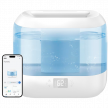
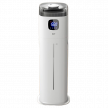
- Tower designs suit corners and modern rooms.
- Cube and cylinder shapes offer minimalist appeal and 360° mist distribution.
- Colour choices now include black, grey, silver, and even metallic tones – a perfect match for contemporary home decor.
This is especially relevant if your unit will sit in a visible spot like a living room or bedroom. You won’t need to hide it from guests and unexpected visitors.
Tank Fill Method
Top-fill tanks have become increasingly popular – and for good reason. They’re:
- Easier to refill without spilling or needing to unplug the unit.
- More hygienic, since you can clean the inside of the tank thoroughly.
- Faster to maintain, ideal for daily use in busy households.
Bottom-fill designs are still common, but generally require more care and effort to avoid spills.
Cord Length & Weight
Cord length matters more than you might think, especially if outlets are limited or if you want to place the unit in the centre of a room.
- Longer cords (1.5m–2m) allow more placement flexibility.
- Shorter cords (<1.2m) may require an extension lead.
As for weight, lightweight designs (under 2.5 kg) are easier to move between rooms or floors. Many premium models now include carry handles or recessed grips for added portability.
Warranty
Warranty length is a good proxy for product confidence and durability:
- 1–2 years is standard and often sufficient for casual use.
- 3+ years suggests a more robust product, better build quality, and potentially stronger brand support.
Brands like Dyson and Honeywell typically offer longer coverage, while budget models may offer just 6–12 months. Always check what the warranty covers — and whether support is easily accessible in your region.
Conclusion
Choosing a humidifier doesn’t have to be complicated, but it does require a little planning. Consider your room size, how often you’re likely to use it, and whether ease of maintenance or smart features matter to you. Always check the filter and water requirements before buying, and remember: a good humidifier is a long-term investment in your health and comfort.
If you’re still unsure, check out our mini-guides on humidifiers for allergies, babies, and large rooms – or use filter tools to find a model that fits your exact needs.