
 Ice Makers
 Chairs
 Kettles
 Projectors
 Air Purifiers
 Headphones
 Smartwatches
 Humidifiers
 Keyboards
 Tablets
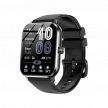
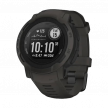


A smartwatch can be your best friend if you need a reliable companion on your outdoor adventures. However, you’ll need something rugged to withstand the elements and provide you with peace of mind when things get tricky.
Rugged smartwatches are like the standard ones you see people wear daily. The only real difference is their robust design, which gives them superior durability and makes them ideal for outdoor use. As with regular smartwatches, a rugged one must meet specific criteria to be deemed reliable, so it’s crucial to consider a few factors before heading out on your next outdoor adventure.
Top 5 Key Considerations
Durability
The most crucial consideration for a rugged smartwatch is undoubtedly its durability, which starts with its materials. High-quality rugged smartwatches use impact-resistant metals such as titanium or stainless steel, which are also scratch-resistant. Coatings like Diamond-Like Carbon (DLC) can provide additional protection against wear.
The screen should be made of either sapphire crystal or high-strength Gorilla Glass to resist scratches and cracking. Raised bezels or reinforced edges help protect the display if you accidentally bump it against a hard surface.
Water Resistance
If you want a smartwatch you can wear while exercising, swimming, or even deep-water diving, a rugged smartwatch is the right choice. However, there are varying degrees of water resistance, which are often indicated by an Ingress Protection (IP) or Atmospheres (ATM) rating. These ratings let you know whether your smartwatch is simply sweat-resistant, splash-resistant or can resist full-water submersion for extended periods.
Here’s a quick overview of the most common IP and ATM ratings for rugged smartwatches:
- IP67: Dust-tight and protected against submersion up to 1m for 30 minutes.
- IPX7: Not tested for dust protection, but is protected against submersion up to 1m for 30 minutes.
- IP68: Dust-tight and is protected for extended periods in deeper water as specified by the manufacturer.
- 5 ATM: Suitable for swimming and splashes, but not for deep-water activities.
- 10 ATM: Safe for swimming, snorkeling, heavy rain, and high-pressure water exposure.
- 20 ATM: Suitable for high-impact water activities, cliff jumps, and free diving
Battery Performance
Because rugged smartwatches are larger than standard everyday smartwatches, they can accommodate larger batteries. Larger batteries offer extended performance, and unlike standard smartwatches, which offer only a few days of battery life at best, many smartwatches can last for several weeks in low-power modes.
Most standard smartwatches offer 2-4 days of battery life with regular use, but you can expect 5-7 days from a quality rugged smartwatch. Some models provide up to 3 weeks of battery life. Battery performance depends on which apps you use, how often you use them and for how long you use them.
GPS
If you’re considering a rugged smartwatch, you’ll likely spend plenty of time outdoors. An accurate GPS is a must-have whether you’re hiking in mountain trails, kayaking on lakes, or cycling through the city.
Dual-frequency GPS uses multiple satellites to determine your position with precision if you go off-grid or lose cellphone service. In contrast, on one of your outdoor adventures, a reliable GPS can help you find your way back to where you started or reach your destination.
Military Standards
Rugged smartwatches are designed primarily for outdoor use and are therefore expected to be subjected to harsh weather conditions occasionally. If you want superior durability for your next outdoor adventure, a military-grade rugged smartwatch is built to handle whatever comes your way.
Military standards, often referred to as MIL-STD-810G or MIL-STD-810H, are a set of environmental and durability tests. When a smartwatch passes these tests, it means it can withstand extreme temperatures, drop shock, vibration, humidity, sand and dust exposure, altitude, and more without getting damaged.
Preferences
UI & Operating System
A smartwatch’s user interface must be user-friendly but offer enough utility to make it a practical tool to have handy. Most rugged smartwatches run one of three operating systems: Wear OS, watchOS and proprietary systems.
Wear OS and watchOS, which are essentially smartwatch versions of Android and iOS, offer more flexibility for syncing with your other devices, creating a seamless ecosystem. Proprietary operating systems, such as the one used by Garmin smartwatches, are designed to operate independently of smartphones and are much more focused on GPS and fitness.
All three offer phone functionality, so it’s ultimately a matter of preference. However, keep in mind that certain features on some models will only work when synced with either an Android or an iPhone. For that reason, it’s essential to verify which smartphone is most compatible with the smartwatch you want to buy.
Weight & Comfort
Although rugged smartwatches are naturally bulky by design, you still want to ensure you get one that’s comfortable enough for all-day wear. Also, a watch that’s too bulky or heavy can be frustrating to wear for extended periods, especially while working out. That said, most rugged smartwatches are made of durable yet lightweight materials, giving them a sturdy build without feeling overbearing.
Strap material also plays a significant role in comfort. Silicone straps are most commonly included with rugged smartwatches and are a solid choice for everyday wear. You can often swap them out for metal or leather straps, but silicone straps are the best choice for rugged smartwatches.
Smart Features
As with regular smartwatches, a rugged one lets you make and receive phone calls, text messages and notifications. However, additional premium features are a major reason so many prefer rugged smartwatches.
Fitness, health and safety features are abundant on most rugged smartwatches. They often feature sensors for tracking everything from heart rate and calories to blood oxygen and stress levels. These watches are designed to support health and fitness performance and provide insights to optimize both.
In addition to GPS, health, and fitness, you’ll also want to consider other features that can help you get by in your daily life as well as in the wilderness. For example, access to offline maps when you’re off-grid, contactless payments, voice assistants such as Alexa, and weather updates.
Leading Rugged Smartwatch Brands
Rugged smartwatches are designed to withstand tough conditions, offering durability, long battery life, and advanced outdoor features. A few brands consistently lead this category because they combine reliability with specialized sensors and robust construction. Understanding their strengths helps you pick a watch suited to your environment and activity level.
Garmin
Garmin dominates the rugged smartwatch market with its Fenix and Instinct series. These watches offer military-grade durability, long battery life, advanced GPS, and multisport tracking. They’re excellent for outdoor adventurers, hikers, and athletes who need reliable navigation and health metrics in extreme conditions. Look for Fenix models if you want a premium, feature-packed watch, and Instinct if you prefer a lighter, more budget-conscious option. Avoid models without solar charging if you plan long expeditions off-grid.
Suunto
Suunto smartwatches focus on outdoor sports and endurance activities. Their rugged models include accurate GPS, altitude measurement, and long-lasting batteries optimized for multisport tracking. Suunto watches tend to emphasize simplicity and reliability over flashy software. Look for their top-tier models if you want strong battery life and solid durability in a minimalist design. Avoid older units with outdated GPS chips, which can reduce tracking accuracy in remote areas.
Casio (Pro Trek / G-Shock Smart)
Casio brings decades of rugged watch expertise into the smartwatch space. Their Pro Trek and G-Shock Smart models combine shock resistance, water resistance, and durable materials with smart functionality such as GPS, altimeter, and fitness tracking. These watches are often bulkier but extremely resilient. Look for G-Shock Smart watches if you need a watch that survives drops, extreme temperatures, or heavy use. Avoid models without smartwatch updates, as Casio’s software can lag behind other brands.
Coros
Coros is a newer brand that focuses on outdoor athletes, ultrarunners, and extreme sports enthusiasts. Their rugged watches offer long battery life, precise GPS, and lightweight designs without sacrificing durability. Look for Coros if you want a mix of endurance features and a watch that won’t feel too heavy on long activities. Avoid lower-tier models if you want advanced metrics like training load or recovery guidance, because some features are limited to their premium watches.