















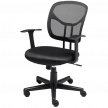









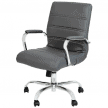


The kind of office chair you can buy today is fundamentally different from what was available 20, 30, or even as few as 10 years ago. Not just in how it looks, but in how it works, and how it’s built too. Modern chairs incorporate engineering innovations, material science breakthroughs, and evolving understanding of how humans actually sit that would have been impossible or prohibitively expensive just a generation ago.
This isn’t about incremental improvements or marketing gimmicks either, though there’s plenty of those. Modern chairs have features that genuinely change the sitting experience: dynamic backs that move independently with your spine, mesh materials that provide support without foam, adjustment mechanisms sophisticated enough to accommodate wildly different body types, and engineering that recognizes sitting isn’t static.
But “modern” also means something has changed in accessibility. Technologies that were once exclusive to $2,000 executive chairs have trickled down to mid-range options and direct-to-consumer brands have disrupted traditional pricing. You can now get legitimate ergonomic features for a fraction of what they cost a decade ago.
This guide explores what makes contemporary office chairs functionally modern. The innovations that have become standard, the cutting-edge features starting to emerge, and how our understanding of healthy sitting has evolved to create chairs that work better with how humans actually use them.
The Evolution of Chair Technology
To understand what makes modern chairs functionally different, it helps to see how technology has evolved:
30+ Years Ago (Pre-1990s)
The chairs were simple in comparison. Basic pneumatic height adjustment, tilt, open-cell foam padding. Lumbar support was fixed, if it was even there at all, armrests barely adjusted. Design assumed a static, bolt upright posture was ideal.
20 Years Ago (Early 2000s)
We started to see serious acceleration in innovation and development. The Herman Miller Aeron proved mesh chairs worked well. Synchro-tilt mechanisms became common and adjustable lumbar support moved into the mainstream. Understanding shifted: movement during sitting became recognized as healthy, not undisciplined.
10 Years Ago (Mid-2010s)
Advanced materials started to take over and competition bloomed. 4D armrests became standard on good chairs. Seat depth adjustment moved from rare to expected. Dynamic back technologies that flex with your spine independently became mainstream. Mesh advanced beyond simple webbing to engineered textiles with variable tension zones.
Today (2020s)
Premium features at the top end of pricing a decade ago now appear on mid-range options. The explosion of remote work has driven demand for home office chairs that balance aesthetics with serious ergonomics. Chairs now account for device-switching reality, and sustainability has shifted from marketing talking point to actual engineering constraint, affecting material selection and product lifecycle design from the start.
Innovations That Are Now Standard
Let’s take a look at some of the features that were once premium or didn’t even exist, and are now expected on any decent modern chair:
Synchro-Tilt Mechanisms
The older knee-tilt mechanisms would move the seat cushion and backrest together, pushing your knees up at the same time. Synchro-tilt on the other hand moves everything in coordinated ratios (the back often reclines 2-3 degrees per 1 degree of seat tilt), keeping your position natural and feet planted to the floor.
Multi-Dimensional Armrests
Basic chairs have fixed or one-dimensional adjustment, usually just up and down. Modern thinking recognizes your arms need positioning for different tasks and proportions. 4D armrests (height, width, depth, pivot) were executive-only a decade ago and now appear on mid-range chairs. Some brands are pushing things even further, don’t be surprised when you see 5D or even 6D armrests on some chairs.
Advanced Lumbar Systems
Early support was fixed pads or quite often nothing at all. Modern systems have developed to offer height adjustment, depth adjustment, sometimes even firmness control. Recognition that lumbar support means needing to change with recline angle, the list goes on. These kind of features used to set you back a load, now they’re commonplace.
Seat Depth Adjustment
Fixed seat depths work poorly for height extremes so modern chairs allow for adjustment here too. These days you’ll find sliding seat cushions that ensure proper thigh support for different body proportions.
Breathable Materials
Mesh backs have become increasingly mainstream over the last 15-20 years, but the technology behind them has continued to advance significantly. Early mesh is far and away what you’ll find on chairs today. Previously it was prone to sagging or felt scratchy, meanwhile modern mesh uses features like variable tension zones and advanced polymers for firm support while staying cool.
Weight-Activated Mechanisms
Older tilt mechanisms required manual tension knobs and deliberate movements to activate. Meanwhile many modern chairs use weight-activated systems that auto-adjust and adapt. It may seem like a simple feature but don’t underestimate the significant engineering work at play to ensure this is effective across wide weight ranges.
Cutting-Edge Features Starting to Emerge
When it comes to product development, if you’re not moving forward, you’re moving backwards and chair manufacturers are no exception. Here’s a few innovations we’re starting to see appear on premium chairs that may become standard later.
Dynamic Back Technologies
Chairs now feature backs that are able to move independently in multiple zones. The Steelcase Please for example has a horizontally split backrest where the upper and lower sections function independently, mimicking actual spine movement. Others use flexible structures providing varying resistance based on sitting position.
Advanced Materials
Not all foam is created equal and we’re seeing new foam formulations using materials like graphene or gels that regulate temperature better than traditional options. Mesh incorporating antimicrobial properties or recycled ocean plastics for sustainability, and new takes on leather with vegan-friendly materials are all appearing.
Integrated Wellness
Everything is becoming “smart” or AI-based these days, including chairs. Some premium chairs now include posture sensors with accompanying apps which track sitting time and encourage breaks. Others have haptic feedback reminding you to adjust position, vibration, even active heating and cooling systems.
Sustainable Engineering
Modern chairs are increasingly designed for disassembly and recycling from the start. Steelcase’s “Circular” program reconditions returned chairs for resale to avoid waste. Herman Miller designs for high recyclability and uses recycled materials.
Modern Features Across Price Ranges
Understanding what modern innovations appear at different price points can help you set realistic expectations when it’s time to start shopping. Let’s take a look at what you can and should expect for your budget.
Under $200
You’re getting basic ergonomics with minimal modern features here. Maybe height adjustment and simple tilt, but don’t expect many, if any, of the newer developments. These chairs work for light use but lack the innovations that define modern ergonomics.
$200-$400
This is where modern features start appearing more frequently. Direct-to-consumer brands like Branch, Autonomous, and others have pushed the market forward and offer features like synchro-tilt and highly adjustable lumbar support in this range. Build quality varies though, some offer genuine value, others cut corners on mechanisms and materials to hit price points.
$400-$800
We feel like this is the sweet spot for modern innovations. You’re bringing established brands into play and should expect to see the full set of modern features like synchro-tilt, comprehensive adjustability, quality materials, and 4D+ armrests. This is the price point those previously expensive, premium features have most reliably reached.
$800-$1,500
Now we’re into the premium modern options from top manufacturers, think Herman Miller, Steelcase, Humanscale. You’re getting cutting-edge innovations: dynamic back technologies, optimized multi-device support, advanced materials, sophisticated mechanisms, and long warranties too. The engineering and build quality here is notably more refined than mid-range options.
$1,500+
This is ultra-premium territory. You can almost consider this a bit of a testing ground with experimental features, exclusive materials, or designer collaborations. The functional improvements over $1,000 chairs are incremental at this point. You’re likely paying for refinement, exclusivity, or niche connectivity features.
What to Prioritize When Shopping for Modern Chairs
Shopping for chairs with modern innovations requires knowing what actually matters versus what’s just marketing noise. Here’s how we think you should focus your attention.
Features Worth Prioritizing
Synchro-Tilt
This is one of the biggest functional differences between budget and quality chairs. If a chair only offers basic tilt (where the whole thing rocks back as one unit), it’s not really delivering modern ergonomics regardless of what else it claims. Synchro-tilt genuinely changes how comfortable extended sitting feels. This should be non-negotiable for anyone sitting more than 4-5 hours daily.
Lumbar Adjustment Range
It’s no longer enough for a chair to have “lumbar support” as a catchall term, you need to know if it actually adjusts. Height adjustment is essential but depth adjustment is nearly as important. If the listing just says “lumbar support” without specifying adjustability, assume it’s fixed and keep looking.
Seat Depth Adjustment
This feature doesn’t get enough attention, but it’s critical if you’re particularly tall or short. A fixed seat depth means either your thighs won’t be supported properly, or you’ll have pressure behind your knees affecting circulation. Seats that slide forward or backward accommodate a much wider range of body proportions. If you’re over 6’2″ or under 5’4″, this should be high on your priority list.
Build Quality Over Feature Count
A chair with synchro-tilt, 2D armrests, and adjustable lumbar that’s built solidly will serve you better than a chair with synchro-tilt, 4D armrests, adjustable lumbar, and a headrest that’s built poorly. Check the frame material, the gas cylinder class, and read reviews specifically mentioning whether mechanisms maintained their adjustment quality after 6+ months of use.
Features That Sound Good But Aren’t Always Worth It
Headrests
This could be controversial, but headrests on office chairs are often more trouble than they’re worth. Many headrests are poorly designed and push your head forward awkwardly, especially during active work. They’re useful if you spend significant time reclined on phone calls, but for typical desk work where you’re upright or slightly reclined, most people don’t actually use them.
Excessive Adjustability
We’ve gone on about the importance of adjustability, but there’s a point where more adjustment options become overwhelming rather than helpful. If you’re the type who wants to dial in everything perfectly, chairs with 15 different adjustments might appeal to you. But if you just want a chair that works well without endless tweaking, sometimes simpler is better. Don’t assume more adjustments automatically means a better chair, it might just mean more things to set wrong.
Footrests
Integrated footrests sound appealing, but they’re often positioned poorly and don’t get used. If you need a footrest, you’re usually better off buying a separate one you can position exactly where you need it rather than paying for an integrated one that might not work for your desk height and leg length.
Red Flags to Watch For
Vague Feature Descriptions
If the product listing says “ergonomic design” or “lumbar support” without specifying what that means or how it adjusts, be skeptical. Quality chairs proudly detail their adjustment mechanisms. Vague descriptions usually mean minimal or fixed features dressed up with ergonomic language.
Short Warranties on Expensive Chairs
A $600 chair with only a 1 or even 2 year warranty is a red flag. Manufacturers who stand behind their engineering offer warranties that match the expected lifespan. We’re talking 5 years minimum and 10-12 years for premium models.
Overwhelming Marketing But Minimal Specs
Be wary of chairs heavily marketed through social media, lifestyle photography, and glossy webpages but that are light on actual specification details. These often prioritize looking good in Instagram posts over ergonomic function and catch people out by selling the dream, not the reality. Gloss is fine, but it needs to be backed up by raw specs and data too.
Bringing It Together
The innovations that have become standard in modern chairs; synchro-tilt, advanced lumbar systems, multi-dimensional armrests, breathable materials, solve real problems with how we sit for extended periods. Looking ahead a few years, the cutting-edge features emerging now will likely become tomorrow’s expected baseline.
What makes a chair “modern” functionally isn’t any single feature but rather an overall philosophy: recognizing that sitting is dynamic not static, that individual variation matters, that supporting how we actually work matters more than enforcing ideal posture, and that long-term health outcomes matter as much as immediate comfort.
Choose modern innovations that address your actual needs and work patterns. Don’t chase features because they sound impressive or because marketing says you need them. The best modern chair for you is one that solves the specific problems you experience with sitting—whether that’s temperature discomfort, back pain, restricted movement, or inability to stay comfortable across different work tasks.
These innovations matter because sitting matters. If you work at a desk 40+ hours weekly, the difference between a chair from 20 years ago and a well-designed modern chair affects your daily experience, your long-term health, and your ability to stay comfortable and focused.