






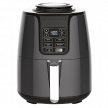






If you’re new to cooking with air fryers, or just on the hunt for simple, reliable guidance, this easy step-by-step guide will walk you through the basics by showing you how to make perfectly crispy potato wedges.
From preheating tips to understanding different settings and discovering surprising foods you can cook, we cover everything you need to get the best results every time.
Equipment You’ll Need
- An air fryer
- Chopping board
- Knife
- Mixing bowl
- Cutlery
- Serving plate
How To Use an Air Fryer: Step by Step
A great first recipe for your air fryer is potato wedges. They’re almost foolproof to make, and the difference in crispness and amount of oil required will quickly show you how much easier cooking lighter, delicious meals can be.
Step 1: Prepare Your Air Fryer Basket or Trays for Cooking
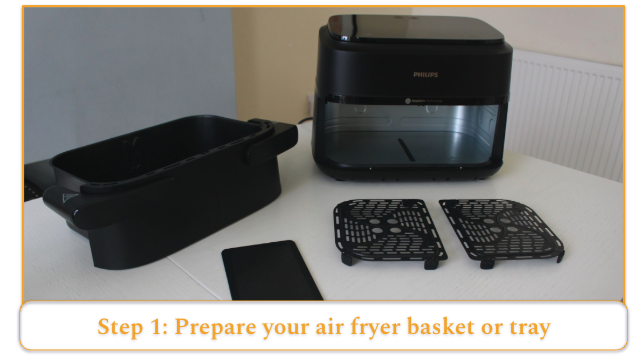
If your air fryer has dual baskets or drawers, consider how much room you need for your potato wedges to cook evenly, and ensure that the air fryer is clean and ready to use.
For this recipe, more room is better. If possible, remove any compartments to create a larger air frying space.
Step 2: Turn on Your Air Fryer and Choose Your Setting

Turn on your air fryer and choose an air fryer or roasting setting (if available).
Step 3: Preheat the Air Fryer
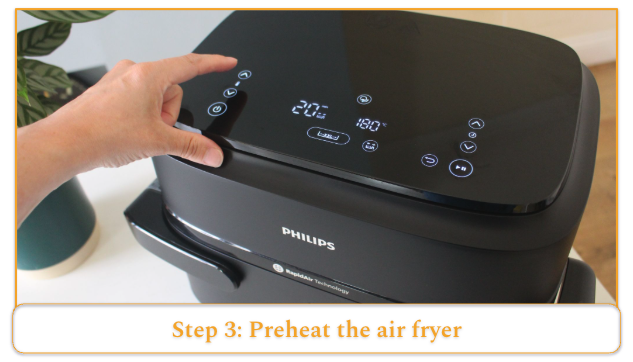
Set your air fryer to 350°F (175°C) for 20 minutes. Some models will preheat automatically, while others go straight to cooking. Preheating helps achieve a crispier exterior on your potato wedges.
Step 4: Prepare Your Potatoes
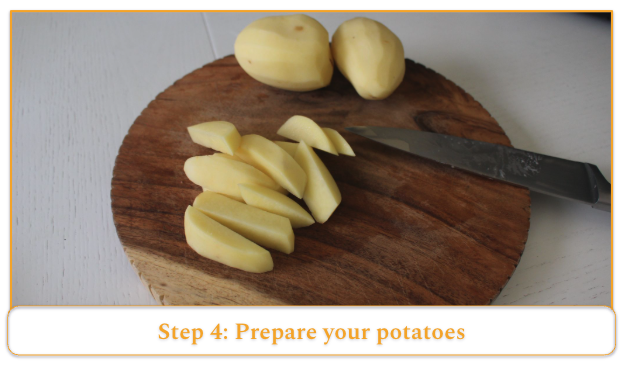
You may opt for skin-on or peeling your potatoes. Then slice 2–3 medium potatoes lengthwise. You’re looking for wedges about ¾- to 1-inch thick. If you have time, soak the wedges for 5 minutes or more to remove excess starch. This step can make them even crispier. Drain thoroughly and pat dry with a kitchen towel.
Step 5: Add Oil, Dry Herbs, and Other Flavors
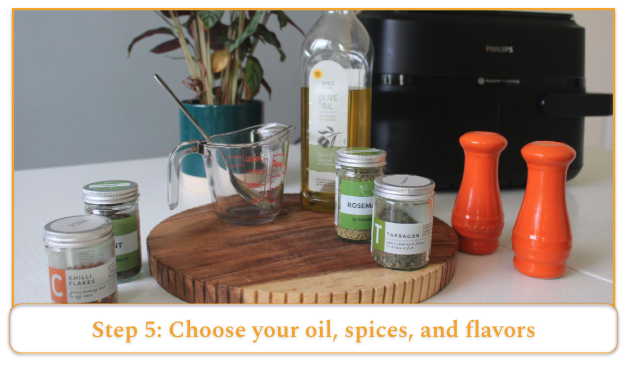
Now you’re ready to add some oil and dry herbs to flavor your wedges.
In a small bowl or measuring cup, measure out 1–2 tbsp olive oil or your chosen oil. Mix in salt and pepper to taste, and any dried herbs or spices you like – oregano, thyme, rosemary, and mint all work well here.
For a spicier kick, try chilli seeds, cumin seeds, turmeric, or even chipotle chilli paste. Just remember: a little goes a long way with the air fryer!
Step 6: Coat the Potato Wedges
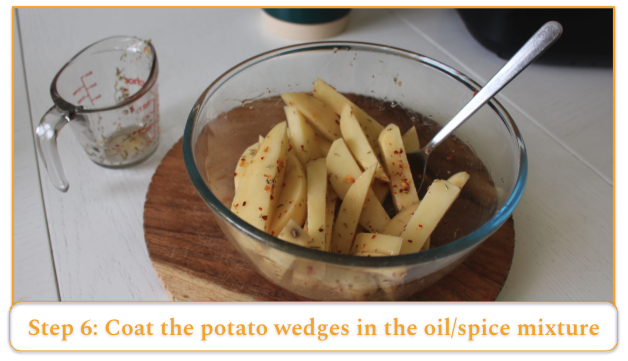
Place your potato wedges in a bowl and pour in your oil and spice mixture over the potatoes. Use a spoon or clean hands to properly coat and cover all the wedges with the oil mix for maximum flavor. Since an air fryer doesn’t require as much oil as an oven, the potatoes must be fully coated in oil so that they end up crispy and not dry.
Step 7: Place the Wedges in the Air Fryer & Start Cooking

By now, your air fryer should be preheated and ready to use. Remove the drawer or basket and place the wedges inside. Bake for 20 minutes. Set a timer for 10 minutes to remind you to shake or turn the wedges halfway through cooking.
Step 8: Shake or Turn Halfway Through
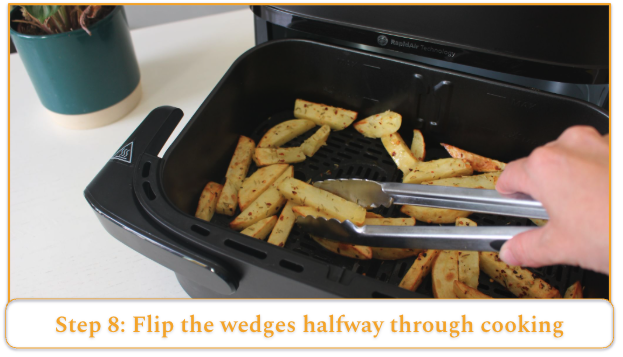
At the halfway mark, remove the basket or tray. Use tongs or a fork to shake or turn the wedges. This step ensures even cooking and a crisp exterior on all sides.
Step 9: Ready To Serve!
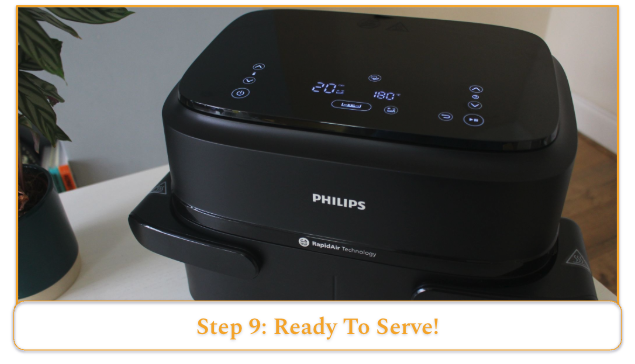
After 20 minutes, check the largest wedge for doneness. The outside should be golden and crispy, and the inside fluffy and hot. If needed, cook a few minutes longer.
Serve your wedges with ketchup, mayonnaise, hot sauce, a sprinkle of parsley, or alongside your favorite burger. Enjoy the perfect crispy potato wedges made effortlessly in your air fryer!
How To Reheat Food in an Air Fryer
You may be used to turning to your microwave for reheating leftover food, but an air fryer does a far better job when you want food that’s hot, crispy, and finished with a golden-brown exterior.
Foods like pizza slices, French fries, and fried chicken usually only need a short reheat at 350°F. After just 3–4 minutes, you can expect bubbling cheese, crisp fries, and chicken that’s hot all the way through. For more delicate foods, such as baked fish or roasted vegetables, lower the temperature slightly to prevent overcooking or loss of flavour.
What Do Different Air Fryer Settings Mean?
Early air fryer models kept things simple with settings like air fry, roast, bake, or reheat. Modern air fryers now offer a wider range of functions, including proofing for baking, broiling, slow cooking, and even dehydrating.
The main difference between settings comes down to how heat is applied and circulated. Here’s a quick breakdown:
What Can You Cook in an Air Fryer?
Air fryers are far more versatile than many people expect. They’re suitable for everything from frozen snacks to fresh vegetables and baked treats.
Frozen Foods
- French fries and wedges
- Chicken nuggets, tenders, or fish sticks
- Mozzarella sticks and onion rings
- Frozen dumplings, egg rolls, and hash browns
Meat and Protein Options
- Chicken thighs, breasts, or drumsticks
- Pork chops or ribs
- Steak or lamb chops
- Bacon
- Meatballs or sausages
Fish and Vegetarian Dishes
- Salmon steaks
- Marinated tofu chunks
- Buffalo cauliflower bites
- Falafel
- Paneer tikka skewers
Vegetables
- Broccoli, cauliflower, and Brussels sprouts
- Sweet potato or carrot fries
- Stuffed peppers or mushrooms
- Corn on the cob
- Courgette or aubergine slices
Baked Goods
- Cookies and brownies
- Muffins and cupcakes
- Scones and cinnamon rolls
- Croissants, quiches, and banana bread
Plus
- Hard-boiled eggs with no water needed
- Chickpeas with spices sprinkled over are great for a crunchy snack
- Toast and grilled sandwiches come out crisp and golden
- Air-fried Oreos wrapped in puff pastry or biscuit dough
Air Frying Tips for Optimal Results
- Choose the right location. Position your air fryer in a well-ventilated area with a wipeable surface behind it. Placing it too close to a wall can lead to grease buildup and discoloration over time.
- Clean your air fryer after each use. Leftover crumbs or oils can affect the flavour of your next meal – especially when switching between sweet and savoury foods.
- Avoid overcrowding your air fryer. This will cause food to become soggy and stop it from crisping up, such as French fries.
- Check food early and often. Air fryers are far more effective at heating food than convection ovens, and if you haven’t used one before, you may find that it heats up food much faster than you’re used to.
- Preheat for consistent results. This is a great way to achieve more accurate cooking results. Avoid putting the food in straight away, before the air fryer heats up, as you are prolonging its cooking time.
- Shake or turn food halfway through. For smaller items such as French fries, tater tots, and chicken nuggets, remove the air fryer tray halfway through cooking and shake to ensure even cooking. This is especially important for any foods that might be piled in the tray or have uneven surfaces.
Simple Air Fryer Recipes Others Love
Air Fryer Chicken Katsu
Air fryers are a fantastic way to enjoy crispy, breaded chicken without deep-frying in your home – especially if pans of oil make you nervous or you have small children at home. This air fryer chicken katsu has a wonderfully crispy outer crumb and a juicy interior, thanks to briefly dry-brined chicken and high, circulating heat. A great tip from the recipe is to lightly spray the tops of the chicken with cooking spray after they are placed in the air-fryer basket, which will enhance browning and appearance.
Source: https://www.seriouseats.com/air-fryer-chicken-katsu-recipe-8645406
Air Fryer Bacon
If breakfasts mean crispy bacon in your household, then you’re going to want to get your air fryer recipe down for this morning staple. This super-simple recipe runs through all the basics, as well as sharing different temperature options for regular cut and thick-cut bacon. Don’t miss the helpful tips for the bacon fat causing smoke to emit from the air fryer, and a build-up of grease in your basket if you’re cooking a lot of bacon.
Source: https://natashaskitchen.com/air-fryer-bacon/
Air Fryer Green Beans
Don’t let anyone tell you that air fryers are only good for processed foods! They’re also great for achieving beautifully crisp vegetables, and they make roasting vegetables a breeze. These air fryer green beans with parmesan breadcrumbs are a great starting point for experimenting. There’s no need to parboil beforehand – just air fry for a few minutes before adding your toppings.
Source: https://www.skinnytaste.com/air-fryer-green-beans/
Air Fryer Brownies
Let’s not forget that there is a whole world of air fryer baking out there, too! Muffins and brownies are a good place to start getting to know how your air fryer bakes. These fudgy, chocolatey air fryer brownies are perfect for a small batch that doesn’t involve turning on the oven. If you don’t have a small tray for the brownies, you can even use oven-safe ramekins or muffin cups.
Source: https://onepotonly.com/air-fryer-brownies/
FAQ
Do I need to preheat my air fryer?
Can I use aluminum foil or parchment paper in the air fryer?
How do I prevent food from sticking to the basket?
Paper liners may not protect your air fryer from grease, and in the end, it is still important to clean your air fryer regularly to get rid of any lingering smells or small pieces of food.
Is it normal for the air fryer to emit a plastic smell during initial use?
The best way to combat this is to run your air fryer on empty for 5–10 minutes before using it for the first time. This helps to eliminate any manufacturing smells or residual factory oils before using it to prepare food.
Can I cook multiple types of food at once?
Also, some foods may impart strong flavors and smells onto others (such as garlic, spices, oils). If you’re preparing food for the same meal, this may not be a problem.
Are air fryers noisy?
Some models will also make beeping sounds to let you know they have preheated, to turn the food, or that cooking is complete – these often can’t be turned off, so keep this in mind when choosing your model.
What types of cookware are safe to use in an air fryer?
Should I flip or shake the food during cooking?
But items such as French fries, sausages, or doughnuts will achieve a better result from moving around at least once during cooking. Recipes for roasting chickens, cooking pork chops, or bigger pieces of meat also call for turning – follow each recipe for optimal results.

