
 Ice Makers
 Chairs
 Kettles
 Projectors
 Air Purifiers
 Dash Cams
 Headphones
 Smartwatches
 Blenders
 Humidifiers
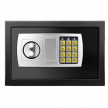
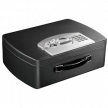
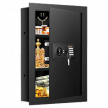
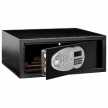
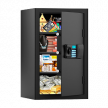
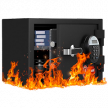


House fires don’t wait for convenient timing. As an engineer, I understood the statistics but that didn’t translate into real protection for my family’s documents.
After researching fire ratings, temperature thresholds, and water damage caused by firefighting efforts, I bought two safes: a traditional combination model for general security and a fire-rated safe with key access for our most valuable papers and digital backups.
This guide focuses on fire safes and the technical decisions that matter when temperatures reach 1,200°F and firefighters flood your home with thousands of gallons of water. I’ll walk you through fire ratings, water protection, lock reliability under extreme heat, and realistic capacity planning, so you can choose protection that works when disaster strikes.
For broader guidance on choosing and using safes, see our comprehensive safe guide.
Understanding Fire Ratings: What Really Matters
From an engineering perspective, fire ratings determine the difference between salvageable documents and total loss. But not all ratings (or testing standards) are created equal, and buyer confusion is common.
Fire Rating Certifications: UL vs. ETL Testing Standards
The two most common third-party testing organizations you’ll see are UL (Underwriters Laboratories) and ETL (Edison Testing Laboratories). Both independently evaluate fire resistance, but their testing protocols are not identical.
UL’s testing is widely considered the industry gold standard. Their procedures simulate real residential fire conditions using high-temperature furnaces that replicate the temperature curves of actual house fires. They also include thermal shock testing, meaning the heated safe is blasted with cold water to mimic firefighting conditions. This is critical, because sudden cooling can cause seals to fail and insulation to crack.
Some ETL tests involve shorter exposure times or less aggressive thermal cycling, which may not fully replicate real-world conditions. That doesn’t mean ETL ratings are unreliable (many excellent safes carry ETL certifications) but buyers should understand that UL-certified fire ratings generally indicate a more demanding test protocol.
For my own fire safe, I prioritized UL certification because it best reflected the conditions I wanted my documents to survive.
Temperature Thresholds: The Reality of House Fire Heat
House fires escalate faster than most people realize. Within 10 ten minutes, temperatures hit 1,100°F, and fires involving modern synthetic furniture and carpeting can spike to 1,800°F or more.
Safes rated only to 1,200°F leave a minimal safety margin, especially since internal temperatures can damage paper at 350°F even when the exterior rating holds. The 1,700°F+ rated safes offer better protection but cost much more, making them worth it for irreplaceable items like original birth certificates or family photos.
For most homes, a 1,400°F-rated fire safe strikes the best balance between meaningful protection and affordability. Safes rated at 1,700°F or higher offer even better protection but come with significant trade-offs: thicker insulation, heavier weight, reduced interior space, and much higher prices.
Fire Duration: How Long Protection Actually Lasts
Standard fire ratings cover durations of 30 minutes, 1 hour, or 2 hours, indicating how long the safe can maintain safe internal temperatures during continuous fire exposure. Real fires vary widely, but response time matters. In urban areas with fast emergency response, a 30-minute safe may provide adequate protection. In rural or suburban areas, where fire response plus suppression can easily exceed 45 minutes, 1-hour protection becomes the practical minimum.
For remote locations or for homes storing business documents, legal files, or extensive records, 2-hour fire protection makes sense, especially when insurance replacement is slow, incomplete, or impossible.
Your local fire department’s response times provide valuable insight into which rating makes the most sense for your situation.
Water Resistance: The Overlooked Factor
Homeowners focus entirely on fire protection and ignore the water damage that destroys safe contents after firefighters finish their work. Firefighters routinely pump thousands of gallons of water into burning homes, and that water frequently pools for hours or even days.
I witnessed this firsthand after a local house fire resulted in 4,000 gallons of water flooding the basement. Their “fireproof” safe kept documents dry during the blaze but failed when submerged for 18 hours. This experience shaped my decision to prioritize extended (24+ hour) waterproof ratings over higher fire temperature thresholds over higher fire temperature thresholds.
True waterproof safes carry ETL or UL water resistance certifications, commonly rated for 24 hours of full submersion. This level of protection ensures documents stay dry during cleanup and restoration – when water damage is most likely to occur.
Be cautious with vague marketing terms like “water resistant.” These typically protect against splashes or sprinkler spray, not standing floodwater. Look for third-party tested waterproof ratings, not manufacturer claims.
If your home has a basement or sits in a flood-prone area, water resistance becomes just as critical as fire protection.
Choosing the Right Capacity for Your Needs
Fire safes sacrifice interior space for insulation, which means advertised capacity is rarely realistic.
In practice, expect 30% less usable storage than manufacturers claim. Proper document organization, fire-resistant folders, and space for thermal expansion all reduce how tightly papers can be packed.
For example, my 0.6 cubic foot safe barely fits 200 sheets once I use fire-resistant folders and leave space for things to expand when they heat up. Regular hanging folders turn into warped messes at high temperatures, so I ditched them for accordion organizers that keep papers separated even when hot.
If you expect your records to grow over time (taxes, medical paperwork, estate planning, etc.), size up. Buyers almost always underestimate future storage needs.
Lock Type Trade-Offs: Balancing Security and Access
Fire safes face unique stresses, and lock reliability under extreme heat becomes more important than convenience features.
Electronic locks worry me on fire safes because high temperatures can damage circuits and battery compartments, potentially locking you out when access is needed most. My combination safe hasn’t failed in three years, while friends with electronic fire safes report occasional lockouts during power outages or after battery changes.
Dial combination locks run on basic physics; no batteries, no circuits, nothing to fry when things get hot. They’re slower to open, but they almost never fail. Biometric locks, while convenient, are the least reliable under extreme temperatures. Sensors, processors, and scanning surfaces degrade quickly when exposed to heat, making them poor choices for critical document storage.
Key locks offer the most reliable backup. However, keys can be lost or stolen, creating security risks that electronic codes avoid. Many buyers find that, dual-lock systems (electronic + key backup) provide the best balance, though they cost more and add complexity.
Maximizing Interior Organization and Efficiency
Most fire safe interiors come with basic shelving that wastes space and creates document chaos when you need papers quickly. I replaced standard shelves with adjustable wire racks that create three zones:
- Frequently accessed documents on top,
- Legal and insurance papers in the middle, and
- Digital backups and media storage protected at the bottom
Fire safes need organization systems that maintain structure when heated—plastic organizers melt, while metal and fabric systems survive temperature extremes. You also want to prioritize accessibility over absolute capacity, since the purpose of a fire safe is rapid document recovery, not maximum storage density.
Effective organization strategies include:
- Keeping emergency contacts and insurance cards near the front
- Using metal binder clips instead of plastic
- Storing USB drives and SD cards in padded sleeves
- Maintaining a waterproof inventory list taped inside the door
- Grouping documents by urgency
- Leaving at least 20% empty space for airflow and expansion
Anchoring and Placement Considerations
While fire safes focus on disaster protection, placement still matters for both theft resistance and fire survival.
Basements generally stay cooler during fires, offering improved protection. However, they face greater flood risk. Elevating the safe on concrete blocks or a metal stand provides excellent protection against prolonged water exposure. Avoid exterior walls, furnace rooms, garages, and upper floors, where fires burn hotter and collapse risks increase.
If anchoring your safe, floor bolting into concrete provides the strongest mounting. Wall mounting can compromise insulation and introduce structural stress points that weaken under thermal expansion. For guidance on proper installation techniques, see our guide on how to install a safe.
Maintenance Requirements and Warranty Coverage
Fire safes require ongoing maintenance because their seals and insulation break down over time. Every six months, I check my safe’s door seals for cracks or spots where the rubber has compressed.
Those gaskets keep water and heat out, but they get brittle after several years and need replacing. Annual maintenance should include cleaning interior surfaces and lubricating the lock mechanism with graphite lubricant – never oil, which could catch fire when temperatures spike.
Regular fire safe maintenance tasks:
- Inspecting door seals quarterly
- Testing lock operation monthly
- Cleaning interiors annually
- Verifying anchor bolts
- Replacing electronic lock batteries proactively
Warranty coverage for fire safes focuses on replacement rather than repair. I recommend looking for safes offering lifetime after-fire replacement guarantees, which cover full safe replacement following verified fire exposure.
Major manufacturers such as SentrySafe, Honeywell, and FireKing honor these claims only with proof of proper installation and maintenance, so keeping receipts protects your investment.
Balancing Cost and Protection Value
Fire safe pricing increases sharply with the protection level. Basic 30-minute models may cost under $100, while 1-hour safes typically range from $150–$300. Premium 2-hour safes with extended waterproofing can exceed $800.
The biggest price jumps come from thicker insulation and extended waterproof ratings, which also reduce interior capacity. Buyers should weigh replacement costs, inconvenience, and recovery time, not just sticker price.
Replacing vital records after a disaster often costs thousands in legal fees, replacement services, and lost productivity. In that context, spending an extra $100–$200 for higher-rated protection becomes a logical insurance investment.
The best value typically comes from established manufacturers offering proven certifications and strong warranties, not flashy features or untested brands.
Making the Right Choice
After owning two different safes and researching fire protection extensively, start with your actual storage needs rather than maximum capacity or premium features. Measure your documents, count your digital storage devices, and add 30% for future growth; this gives realistic capacity requirements without paying for unused space.
Match fire ratings to your local fire department response times and choose water protection based on your home’s flood risk rather than marketing claims about “ultimate protection.”
Choose lock systems based on reliability first, convenience second. Mechanical systems outperform electronics under extreme conditions.
Finally, organize your safe for speed and clarity, not maximum storage density. The best fire safe works when disaster strikes, not the one with impressive specifications on paper.