
 Ice Makers
 Chairs
 Kettles
 Projectors
 Air Purifiers
 Headphones
 Smartwatches
 Humidifiers
 Keyboards
 Tablets
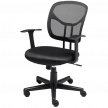
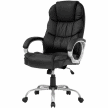
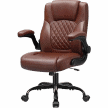
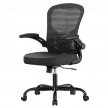
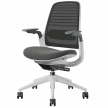
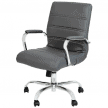

If you work from home, game a lot, or spend any significant time at a desk, you’re probably sitting there for six to ten hours a day. That’s a huge chunk of your life spent in one piece of furniture, yet it’s surprisingly easy to overlook just how important getting the right chair actually is. The wrong chair can leave you with back pain, poor posture, and a serious dent in your productivity, while the right one becomes the foundation of your entire workspace. The challenge? There’s an overwhelming number of different options, with prices ranging from under $50 to north of $2000, and plenty of marketing hype in between.
We’ve tested chairs across all categories and price points, from budget gaming chairs to premium ergonomic options. We’ll break down the different types of chairs, explain what all those features actually do, and help you figure out which ones matter most for your specific needs. Getting this right is an investment in your comfort, health, and wellbeing, so let’s dive in.
Chair Types
The first question to ask yourself when shopping for a new chair is what you’re looking to use it for the majority of the time. Obviously you can game in an office chair and work in a gaming chair, but deciding your primary use case before you start browsing will help focus your search and stop you getting overwhelmed by options that aren’t really relevant to you.
There are always outliers and plenty of crossover, of course, but primarily desk chairs fall into a few broad categories, each with their own headline features, pros and cons. Let’s break down what makes each of them unique.
Gaming Chairs
Gaming chairs are often the loud, bold statement pieces of the chair world. With their racing-inspired bucket seat designs, aggressive styling, and eye-catching color schemes, these chairs are built to look as exciting as the games being played from them. If you’re a streamer or content creator who’s on camera regularly, a gaming chair can be part of your setup’s aesthetic, and there’s no shame in that.
Beyond the looks, gaming chairs tend to pack in adjustable features at mid-range price points. You’ll often find multi-directional armrests, sculpted lumbar cushions, lay-flat backrests, and magnetic neck pillows on chairs in the $200-$400 bracket. They’re designed for long gaming sessions and generally prioritize comfort for extended sitting.
However, there’s debate about whether gaming chairs deliver genuine ergonomic value or if you’re paying a premium for aesthetics. Critics argue that similarly priced office chairs often offer more refined adjustment mechanisms and better long-term support. That said, if you want something that looks exciting and still offers solid comfort and adjustability, gaming chairs have their place.
Office/Task Chairs
If gaming chairs are the extroverts, office chairs are the reliable professionals. These prioritize ergonomic support and all-day comfort over flashy designs. You’ll often find mesh backs for breathability, understated color schemes, and clean lines that look at home in any work environment.
Office chairs usually come from brands with decades of experience in workplace ergonomics but lower marketing budgets so big brand names are less common. You’ll find proven features like proper lumbar support systems, synchro-tilt mechanisms, and adjustment ranges designed for various body types. The trade-off is that they can look boring and won’t photograph particularly well for setup shots.
Price ranges are broad. Basic task chairs start under $100, but for serious comfort and longevity, expect $200-$600 from reputable brands. Premium options at $600+ will likely outlast several cheaper alternatives and deliver genuinely excellent support. These are chairs designed for people who sit 40+ hours a week, every week.
Ergonomic Chairs
Ergonomic chairs are purpose-built for people with existing back or neck issues, or those prioritizing long-term health. These are the medical-grade option, generally designed with input from physiotherapists and backed by research into posture and spinal health.
What sets them apart is comprehensive adjustability. While most chairs offer height and tilt, ergonomic chairs let you dial in almost everything: lumbar support that adjusts in height, depth, and firmness, multi-dimensional armrests, seat cushion depth adjustment, and pivoting headrests. The goal is creating a chair that adapts to your body rather than forcing you to adapt to it.
The downside? These are almost always the most expensive category. Proper ergonomic chairs from brands like Herman Miller or Haworth easily cost $1000+. There’s also a learning curve with so many adjustments, and you may need to revisit settings as you adapt. But if you’re dealing with chronic pain, spend long hours at your desk, or want to invest in your body, they’re worth serious consideration.
Executive Chairs
Executive chairs take a different approach to comfort. Rather than focusing on adjustment mechanisms and ergonomic science, these chairs prioritize plush padding, premium materials, and an impressive presence. Picture the classic leather office chair you’d see in a corner high-rise office, with a high back, thick cushioning, and often a more substantial, weighty design.
These chairs are comfortable in their own way, offering a softer, more enveloping sit compared to the firmer support of many ergonomic options. They’re often well-built with solid frames and can last for years with proper care. If you’re setting up a traditional home office and want something that looks professional and substantial, an executive chair fits that bill perfectly.
The trade-offs are worth considering though. Executive chairs can be heavy and bulky, making them harder to move around. The leather or PU leather upholstery that gives them that premium feel is also less breathable than mesh, which can be uncomfortable during long sessions, especially in warmer weather. And while they’re certainly comfortable, they often lack the precise ergonomic adjustments you’ll find on modern office or ergonomic chairs. If you prioritize that classic, impressive aesthetic and prefer plush padding over technical adjustability, executive chairs are a solid choice. Just be realistic about what you’re getting.
Alternative and Unconventional Options
Before we move on, it’s worth acknowledging that there’s a whole world of other alternative seating options out there too. These tend to be the slightly weird and wonderful options, the sort of chairs you see that one co-worker using. Think kneeling chairs that promote upright posture, balance ball chairs for active sitting, saddle chairs for leaning forward tasks, and various standing desk stools. These all have passionate advocates who swear by them, and for specific use cases or particular body issues, they can work seriously well.
If you’ve tried traditional chairs without success, or you have specific ergonomic needs that conventional designs don’t address, these alternative options are absolutely worth exploring. Just don’t buy one as your only chair without trying it first, and be prepared for an adjustment period. For most people, a good traditional chair with proper adjustments will be the better long-term solution.
Key Features Explained
Now that we’ve covered the main types of chairs, let’s dive into the features and specifications you’ll see listed on product pages. Understanding what these actually mean and how they impact your real-world experience is crucial to making an informed choice.
Lumbar Support
A quick human biology lesson first. Your lower back naturally curves inward, and prolonged sitting with poor posture can flatten out this curve, which starts straining your spine and the surrounding muscles. Adequate lumbar support maintains that natural curve and prevents your lower back from rounding into an unhealthy slouch.
Support comes in several forms. Fixed support is a permanent curve built into the backrest, it’s better than nothing but rarely fits everyone. Height-adjustable support lets you position it where your lower back needs it; depth-adjustable support controls how far forward it pushes, and the most advanced systems offer dynamic support that adjusts with you as you move.
Adjustability is more important than simply having lumbar support. One-size-fits-all rarely works because bodies simply aren’t one-size-fits-all. Prioritize chairs with at least some level of height-adjustable lumbar support or a separate lumbar cushion, and consider depth adjustment if your budget allows.
Armrest Adjustability
Armrests might seem like a minor feature, but improper arm support is a major cause of shoulder and neck strain. When your armrests are too high, they force your shoulders up into a tense position. Too low, and you end up hunching forward or not using them at all, putting extra strain on your neck and upper back.
Armrest adjustability is measured in dimensions, with movement in a single plane counting as one dimension.
- 1D armrests often just adjust in height only, which is the absolute minimum you should accept (and you’ll struggle to find a chair that doesn’t offer at least this).
- 2D usually width adjustment, letting you position the armrests closer together or further apart to match your natural arm position.
- 3D includes depth adjustment, so you can slide the armrests forward or back.
- 4D adds pivot, allowing the armrests to angle inward, which can be more comfortable for typing or certain gaming positions.
Seat Adjustments
Height adjustment is standard on virtually all modern chairs, controlled by a gas lift cylinder. The key is the range of adjustment. If you’re particularly short or tall, check minimum and maximum height specs to ensure the chair works for your body and is compatible with your desk. You don’t want to compromise sitting position because your armrests thump into the edge of your desk when your chair is the height you need it to be.
Seat depth adjustment, or seat pan slide, is less common but incredibly valuable. This moves the seat cushion forward or back to change thigh support. For tall people, more depth means better support. For shorter people, less depth prevents the seat edge from pressing behind knees. If you’ve ever had a chair where your feet don’t reach the floor comfortably, or the seat digs into your legs, seat depth adjustment solves that.
Recline and Tilt
Movement while sitting is healthy. Static posture, even perfect posture, becomes uncomfortable over time because your body wants to shift, we’re not really designed to sit perfectly still after all. A good chair both accommodates and supports that.
Tilt mechanisms control how the chair moves when you lean back. Basic tilt lets you rock, but tilt lock gives you set positions to secure the chair. Tension adjustment is crucial, matching the resistance to your body weight. Too loose and you’ll fly backwards, too tight and you’ll fight the chair constantly. Dialing this in properly makes a huge difference.
Synchro-tilt is the gold standard, allowing the backrest to recline further than the seat while maintaining natural body position. Some chairs offer multi-position tilt lock at various angles rather than just upright, encouraging dynamic sitting throughout the day. Don’t think of recline as just for breaks, it’s about allowing natural movement, which is essential for long-term comfort.
Backrest Material
The upholstery covering your chair’s backrest isn’t just about looks, it impacts both comfort and long-term satisfaction in ways that aren’t always obvious when you first sit down.
- Mesh backs have become incredibly popular in modern office chairs, and for good reason. They’re highly breathable, which means less heat buildup during long sessions. They also tend to flex slightly with your movement, creating a more dynamic support. The downside is they generally offer less padding comfort; you’re supported, but in a firmer way than traditional padding.
- Fabric backs offer a softer feel and can be more comfortable for some people who prefer that cushioned sensation. However, fabric quality varies wildly between chairs. Cheap fabric can pill, wear quickly, and trap heat nearly as much as leather. Quality fabric, on the other hand, can be durable and reasonably breathable. It’s harder to assess fabric quality from product listings though, so this is where reviews and brand reputation matter.
- Leather and PU leather backs give that premium, executive feel that photographs well and looks impressive. Real leather ages beautifully if cared for properly and has a unique feel that some people love. PU leather is more affordable and easier to clean, but it can crack and peel over time, especially on cheaper chairs. Both materials are less breathable than mesh or fabric, which can be uncomfortable in warm environments or during extended use.
This isn’t a spec in the traditional sense, but it’s a choice that impacts your daily experience with the chair. Think about your environment and preferences. Hot climate or prone to getting warm? Mesh is your friend. Want something soft and traditional? Quality fabric is a solid middle ground. Prioritizing aesthetics and don’t mind less breathability? Leather or PU leather can work, just be realistic about the trade-offs.
Seat Cushion Materials
While backrest material is visible, what’s inside your seat cushion is often overlooked, despite being crucial for long-term comfort. The cushioning directly impacts how the chair feels during extended sitting and plays a huge role in the chair’s lifespan.
- Standard foam is what you’ll find in most budget and mid-range chairs. It’s cost-effective and comfortable initially, but the quality varies enormously. Low-density foam compresses and flattens over time, losing its supportive properties within one to three years. You’ll know this is happening when you start feeling the hard base of the chair through the cushion, or when you notice a permanent dent where you sit. Higher-density standard foam lasts longer, but it’s not always clear from product listings what you’re getting.
- Cold-cured foam, sometimes called high-density or HR foam, is the premium option. This manufacturing process creates foam that maintains its shape far longer than standard foam, often lasting five to ten years with regular use. It can feel firmer initially, which some people mistake for being uncomfortable, but this firmness is what prevents the premature compression that ruins cheaper foam. You’ll typically find cold-cured foam in mid-to-high-end office and ergonomic chairs, and it’s one of the features that justifies their higher price tags.
- Memory foam conforms to your body shape, creating a personalized sitting experience with excellent pressure relief. It’s great if you prioritize a softer, more cushioned feel. However, memory foam can retain heat more than other options, and some people find the contouring makes them feel stuck in position rather than supported. It’s a matter of personal preference, and some chair designs include memory foam as a top layer over firmer base foam to get the best of both worlds.
- Gel-infused cushioning or gel layers have become popular in recent years, often with impressive marketing claims. Gel does excel at pressure distribution and tends to stay cooler than standard foam. However, it adds weight, increases cost, and the gel can sometimes shift or separate from the foam over time. The marketing around gel padding often exceeds reality, so take claims about revolutionary comfort with a grain of salt. It’s a nice-to-have, not a must-have.
- Mesh seats take a completely different approach, using tensioned, suspended mesh material instead of traditional cushioning. This offers maximum breathability and will likely never compress or lose support since there’s no foam to break down. However, mesh seats feel noticeably firmer and less plush than padded options. Some people love this feeling, others find it too hard for long-term comfort. It’s particularly divisive, so if possible, try before you buy.
When evaluating cushion materials, foam density matters more than almost anything else. If a chair specifies its foam density, higher numbers indicate better longevity but probably a firmer sit too. Look for cushions at least two to three inches thick, with three to four inches being ideal for most users. Here’s a practical tip for testing: press firmly into the seat cushion. It should compress but then recover relatively quickly, and you shouldn’t feel the hard base beneath it easily. If you bottom out with moderate pressure, the foam quality is questionable.
Weight Capacity
Weight capacity is listed on most chairs, typically ranging from 250 to 300 pounds (115-140kg) for standard models, with some chairs rated up to 400 pounds (180kg) or more. This matters for two reasons: safety and longevity so don’t just brush it off.
From a safety perspective, exceeding a chair’s weight capacity risks a sudden failure of components, particularly the gas lift cylinder, base, or casters. While rare, gas lift failures can be genuinely dangerous. From a longevity perspective, even if you’re under the stated limit, chairs perform better and last longer when they’re not operating at the edge of their capacity. The mechanisms experience less strain, the cushioning compresses more slowly, and the overall structure maintains its integrity longer.
As a general rule, look for chairs with weight capacity ratings that give you some headroom above your actual weight. There’s often a correlation between weight capacity and overall build quality, chairs rated for higher weights typically use more robust materials and construction throughout. Many brands also offer an XL version of their conventional chairs with broader specs and an increased weight capacity. If you’re on the larger side, seek these out.
Base and Wheels
The base and wheels are easy to overlook when you’re focused on comfort and adjustability, but they impact your daily experience more than you might expect. The base is typically either plastic or metal, with metal bases being more durable but also heavier and more expensive. For chairs under $200, plastic bases are the norm and usually perfectly adequate. Above that price point, especially in the $400+ range, you should expect to see metal bases as a sign of quality construction.
Wheel type matters depending on your flooring. Most will ship with hard plastic wheels that are durable and should glide easily over most surfaces. Be mindful if you have a deep-pile carpet though as these can cause damage and snag, in that case, we’d recommend adding a floor protecting chair mat. On hard floors like wood, tile, or laminate, these same hard wheels can be loud, scratch the surface, and feel harsh when you move the chair. It’s often possible to upgrade your wheels to larger, rubberized options that resemble roller skate wheels to help overcome these issues.
Build Quality Indicators
When you can’t sit in the chair or assess its physical build, you need other ways to evaluate quality. Here are the key indicators we look for beyond the feature list.
- Frame material matters. Quality chairs use metal internal frames, even if some external components are plastic. Check product descriptions for mentions of steel or aluminum frames. All-plastic construction, while lighter and cheaper, simply doesn’t hold up to years of daily use. The frame is the skeleton of the chair, and cutting corners here is usually a false economy.
- Gas lift cylinders are classified by safety standards, with Class 4 being the highest rating for office use. A Class 4 cylinder has been tested to more rigorous standards and is less likely to fail. Not all manufacturers advertise their cylinder class, but if you see Class 4 mentioned, it’s a positive quality indicator. At minimum, avoid chairs that don’t specify any cylinder information at all, as this often suggests they’re using the cheapest possible components.
- Warranty length is one of the most reliable quality indicators available to you. Manufacturers know how long their products typically last, and warranty terms reflect that confidence. A three-year warranty indicates decent confidence in durability; we’d raise an eyebrow at anything much less than that. Five years or more shows genuine long-term quality, and some premium ergonomic chairs offer 10 or 12-year warranties. Pay attention to what’s covered too, full coverage is better than frame-only warranties that exclude the parts most likely to fail.
- Brand reputation isn’t everything, but it’s worth considering. Established office furniture brands like Herman Miller, Secretlab, Haworth, and others have decades of experience and reputations to protect. They’re generally more reliable than unknown brands appearing on marketplaces with generic names and no track record. This doesn’t mean every product from a big brand is perfect, or that smaller brands can’t make good chairs, but reputation does correlate with quality and customer service.
Setup and Ergonomics
Even the best chair won’t help if it’s not properly adjusted. Here’s how to set things up correctly.
Start with chair height. Sit with your feet flat on the floor and thighs roughly parallel to the ground, your hips should be at the same height or slightly higher than your knees. If your feet don’t reach comfortably, consider a footrest rather than compromising desk height. Next, adjust seat depth if available, there should be two to three fingers of space between the back of your knee and the seat edge.
Position the lumbar support at your lower back curve, roughly at belt line level. It should feel supportive, not like it’s digging into your back. Set the armrests so your shoulders are relaxed and elbows at roughly 90 degrees when typing. Configure tilt tension so you can recline with gentle pressure without flying backwards.
Finally, remember that even the perfect chair can’t solve the health impacts of sitting all day. Stand up and move regularly, at least every hour. The best chair is one that’s used as part of a healthy, active workday!
Testing and Evaluation
We know this is tricky in the modern age of online shopping, but if possible, visit a store and test as many chairs as you can before buying. Even if you don’t try the exact model, or even the same brand you’re considering, sitting in a range of similar and entirely different chairs helps you understand your preferences for things like firmness, padding, and backrest height. When testing a specific chair, don’t just sit down for a few seconds and move on. Sit for a few minutes, wiggle around, try all the adjustments, and pay attention to pressure points. Check that mechanisms move smoothly and lock securely, road test it just like you’d road test a new vehicle.
When buying online, prioritize retailers with good return policies and respected support. Review aggregator sites and social chatter are your friends here; ignore any reviews listed directly on product pages as these can easily be curated and manipulated. Once you’ve narrowed your search down to a few models, stick that brand and model number into a search engine and see what (if anything) people are saying about it online. If there are major problems or it’s widely praised, you’ll quickly find out.
Much like online mattress sales, these days brands may offer 30 to 100-day trial or open-return periods, understanding you need time to properly evaluate comfort in your actual environment. Once your chair arrives, test all functions immediately to check for obvious issues or flaws but remember you’ll need time to get used to your new chair. Don’t write it off if it feels funny the first time you sit down. Give yourself one to two weeks for adjustment, some initial soreness is normal as your body adapts to proper and different levels of support, but genuine pain that worsens is a definite red flag.
Summary
Choosing the right chair starts with identifying your needs and primary use case and then matching the type to your situation. Gaming chairs work for streamers who want on-camera appeal, office chairs suit professional environments, ergonomic chairs are worth the investment for health concerns, and executive chairs deliver traditional comfort. Once you’ve identified your category, always prioritize adjustability over aesthetics. Look for adjustable lumbar support, at least 2D armrests, proper seat height range, and decent tilt mechanisms.
Everyone’s budget is different, but it’s absolutely worth investing and spending a little more on something you’ll likely use 40+ hours per week. If you can stretch from $150 to $250 or $300, you’ll see meaningful improvements in both quality and longevity. The next step up into the $400-$800 range brings big changes again with premium features that justify the cost for serious users. There’s no single best chair for everyone, the best chair for you depends on your body, use case, and budget. However, it’s valuable to read reviews from both professionals and everyday users, put a little added trust in reputable brands with strong warranties, but don’t feel pressured to buy the most expensive or most popular option just based on name alone if it doesn’t truly match your needs.
Finally, remember that buying the right chair is only the first step. Take time to adjust it properly, give yourself an adjustment period, and maintain it to keep it performing well. Most importantly, use even the best chair as part of a healthy approach that includes regular movement and position changes throughout your day. Happy sitting!