Ice Makers
 Chairs
 Kettles
 Projectors
 Air Purifiers
 Dash Cams
 Headphones
 Smartwatches
 Blenders
 Humidifiers


A/C Efficiency and How to Save Money on Cooling
Rising energy costs and increasing cooling demands make air conditioning a significant expense for many households. From 2014–2024, summer cooling costs in the U.S. increased by 51%. With experts predicting prices will continue to rise, identifying and addressing A/C inefficiencies will become an increasingly important way to reduce expenses without sacrificing comfort or safety.
Many systems waste energy due to issues that could be easily fixed, such as restricted airflow, refrigerant leaks, and faulty or incorrectly set thermostats. This guide outlines key strategies designed to improve A/C efficiency, lower energy bills, and maintain a comfortable home.
Understanding A/C Efficiency and Costs
Air conditioning has changed how modern homes and businesses are designed. Before air conditioning, buildings incorporated natural ventilation and temperature controls such as operable windows, high ceilings, thick outer walls, and areas outside that were considered part of the living space, such as covered porches and patios.
Air conditioning made it possible to construct homes and businesses more cheaply and to the owner’s specifications, without considering outdoor temperatures or climate. By 2024, as many as 95% of U.S. households relied on A/C to maintain their home’s temperature and humidity levels.
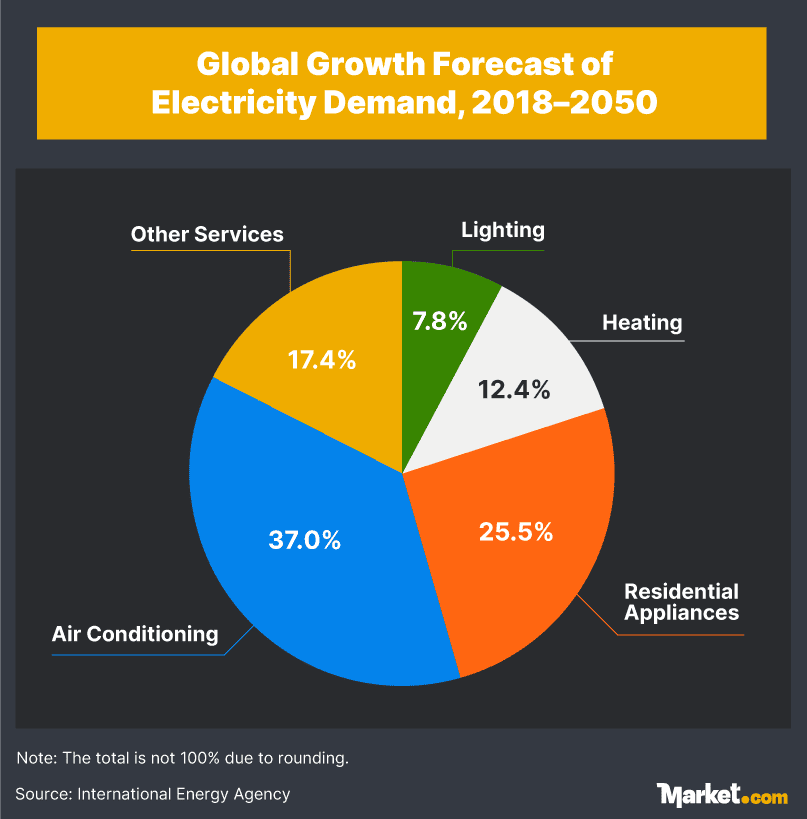
This shift has driven up energy demand, with cooling now accounting for around 19% of household electricity use. With reliance on A/C expected to grow, understanding efficiency and running costs will become increasingly important.
How Much Does Running an A/C Cost?
The cost of running an air conditioner varies by unit type, efficiency, climate, maintenance requirements, and usage habits.
There are five common types of A/C units:
- Central Air Conditioning: Efficient for large spaces, but can lose energy through duct leaks.
- Ductless Mini-Split: Highly energy efficient, avoiding duct losses and allowing zone-based cooling that reduces power use.
- Window A/C Unit: Less efficient than central or mini-split systems, but effective for small spaces.
- Portable Air Conditioner: The least efficient option; the unit’s hot side is in the room being cooled, and pumping hot air outside creates negative pressure that draws warm air into the room from poorly sealed windows and doors.
- Heat Pump: Highly energy-efficient; can both heat and cool a home.
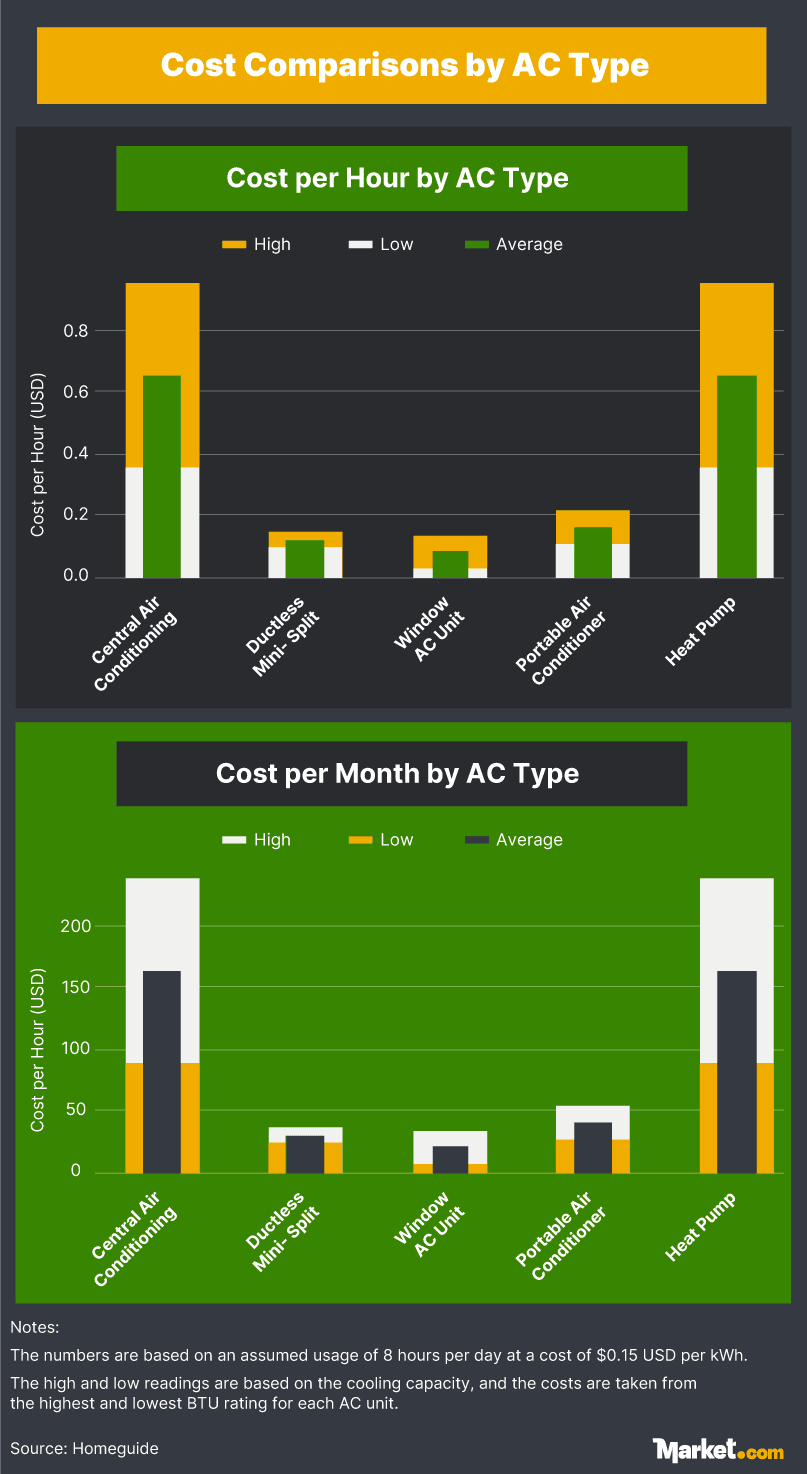
Choosing the right system based on home size, climate, and energy efficiency can significantly impact long-term energy savings. When considering the operating costs of A/C units, remember to look for a unit that matches your needs. Smaller units are less expensive to operate as long as they are operating within their cooling capacity, but larger units will be more efficient for larger rooms and buildings.
The Hidden Costs of an Inefficient A/C
Air conditioners are given Seasonal Energy Efficiency Ratings (SEERs) as a measure of their efficiency. Older models might have ratings as low as 9 or 10, but as technology and standards have improved, SEERs have increased. A SEER of 16 is now considered high efficiency, and units can be purchased with ratings as high as 23 SEER.
Modern systems have inverter technology, variable-speed air handlers, and advanced controls that make them more efficient, and also more expensive. While upgrading to a high-efficiency unit can lower electricity use by up to 35% (from a 9 SEER to a 14 SEER unit), that needs to be weighed against its upfront cost, and hidden inefficiencies in any system will still drive up costs.
How A/C Upgrades Can Lighten the Load on an Overworked System
An overworked A/C needs to run longer and harder to maintain the temperature, wasting energy, increasing costs, and worsening wear and tear. Everything from poor airflow, refrigerant issues, or an undersized unit for the area can cause an A/C system to become strained and inefficient.
Upgrading an existing A/C unit to a more modern, energy-efficient system lowers cooling costs, improves performance, and reduces environmental impact. Investing in a variable-speed HVAC system offers savings of up to 35%. Additionally, installing smart thermostats or even a full home automation integration gives homeowners access to monitoring solutions that can maximize savings without sacrificing comfort.
Cost-Saving Tips for Lower A/C Bills
Reducing A/C costs doesn’t mean sacrificing comfort. In addition to staying on top of routine maintenance, there are practical steps you can take to improve efficiency and cut energy use. Small changes like using smart controls and improving insulation can lead to big savings over time.
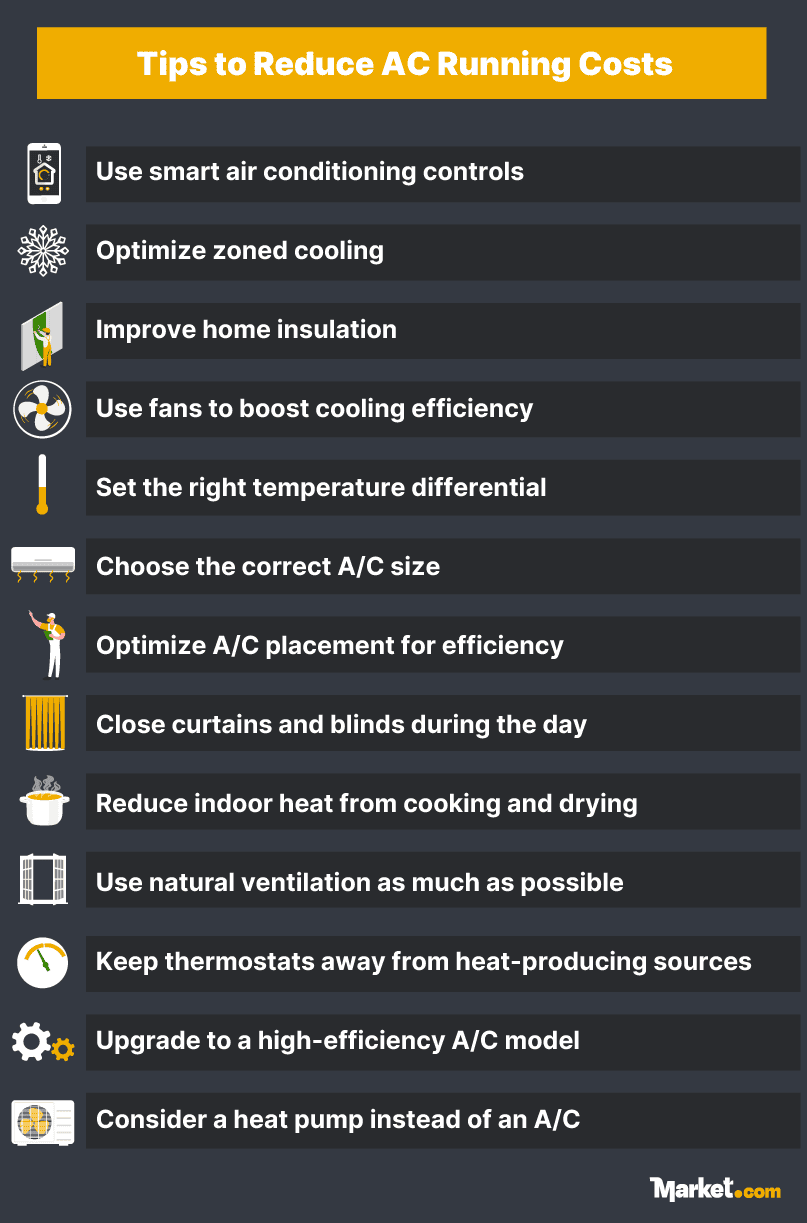
Tips to Save Money on Your Air Conditioning in Summer
The following tips will help save money on air conditioning costs without inconveniencing your household.
Regular Maintenance
Regular maintenance is a core factor in reducing A/C running costs while maintaining efficient performance.
- Clogged air filters make A/C units work harder, increasing energy use. Filters should be replaced around every 90 days; check your manual for details.
- Check refrigerant levels to prevent malfunctions, increase cooling efficiency, and reduce costly repairs.
- Routine maintenance from an HVAC professional helps prevent issues while optimizing energy use and extending a system’s lifespan.
Use Smart Air Conditioning Controls
Smart air conditioning controls optimize energy use by connecting to apps or smart home systems to enable remote control. Some A/C units come with programmable smart thermostats that can adjust settings based on a schedule, environmental conditions, or general household needs.
Eco-mode dynamically adjusts fan speeds, reducing energy use. This, in turn, reduces system strain, leading to significant financial savings.
Optimize Zoned Cooling
Optimized zoned cooling reduces energy waste by directing air to where it’s needed. Traditional single-unit systems cool a building or unit as a single space, resulting in unnecessary energy consumption and higher bills. Dividing a home into cooling zones means each designated area is controlled independently, which reduces operational stress and running costs.
To create optimized zoned cooling, you can try:
- Using multiple A/C units: Dedicated A/C units for different floors create an efficient cooling system, such as cooling the first floor during the day and shifting focus to the second floor at night.
- Ducted systems with zoning controls: Ducted systems allow for further cooling granularity while controlling the airflow on a room-by-room basis.
- Smart thermostats: Smart thermostats within each zone create accurate temperature regulation, preventing overcooling and energy waste even within climate-controlled spaces.
Improve Home Insulation
Proper insulation prevents cool air from escaping and blocks heat from entering, and is one of the most effective ways to reduce A/C costs.
When looking at insulation, consider:
- Attic insulation
- Walls, floors, and crawl spaces
- Window and door seals
- Energy-efficient windows
- Any gaps or leak-prone spots
The EPA estimates that proper insulation alone reduces cooling costs by up to 15%.
Use Fans to Boost Cooling Efficiency
Using fans in conjunction with an A/C improves cooling efficiency and reduces total energy costs.
- Ceiling fans: Ceiling fans make a room feel between 4–7°F cooler. For maximum efficiency, run them counterclockwise to push air downward.
- Pedestal fans: Pedestal fans are well-suited to areas with obstructed cooling. They help circulate air around larger spaces, reducing reliance on air conditioning.
Just remember to turn fans off when leaving a room to reduce energy waste.
Set the Right Temperature Differential
Maintaining a balance between indoor and outdoor temperatures (the temperature differential) is essential for optimal cost savings. The indoor-to-outdoor differential should be between 14-22°F (8-12°C).
The U.S. Department of Energy recommends setting thermostats in summer to 78°F (26°C) to balance cooling needs with energy savings. Raising the temperature by 7°F to 10°F (2–3°C) when gone for more than two hours lowers cooling costs by up to 10% annually. During the winter months, setting thermostats to 60–67°F (15–19°C) during the night can help lower costs and aid overall sleep quality.
Choose the Correct A/C Size
Running an oversized unit cools too quickly, causing frequent on/off cycles (short cycling) that waste energy, prevent proper dehumidification, and increase the risk of mold growth.
Conversely, an undersized unit runs constantly at full power, using more energy without cooling the area. This leads to higher bills and increased wear and tear.
The correct size A/C should have a sufficient British Thermal Unit (BTU) rating to cool a home effectively without excessive cycling or constant operation. Striking a balance ensures optimized energy consumption, fewer repairs, and more stable and reliable indoor comfort.
Consult an HVAC professional to help you make the correct choice.
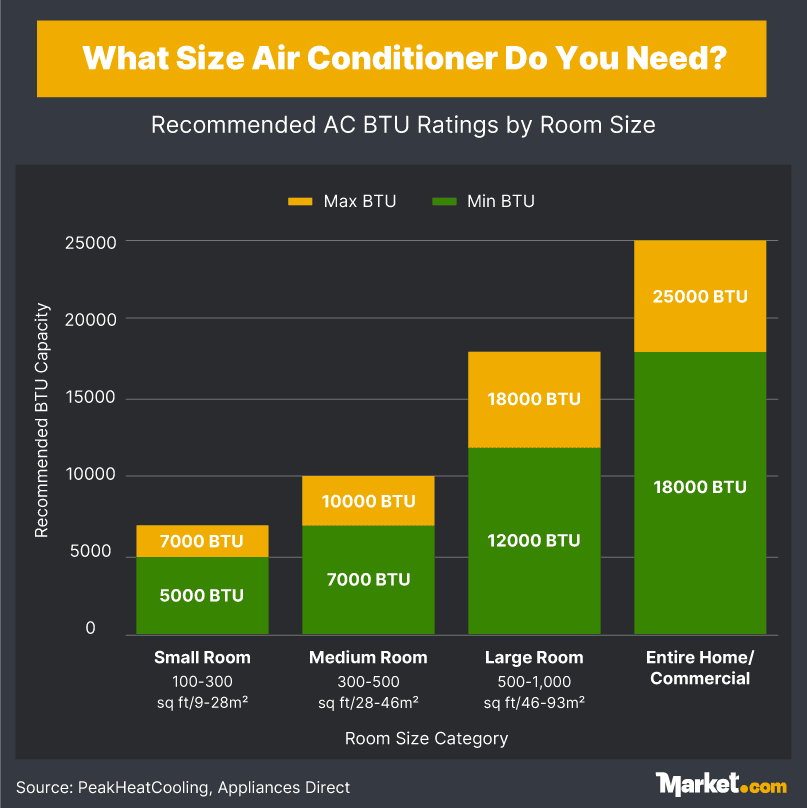
When considering the right size A/C unit, remember to adjust the required BTUs to accommodate the following:
- High ceilings: +10-15%
- Direct sunlight: +10%
- Extra occupants: +600 BTUs per person beyond two
- Heat-generating appliances (e.g., kitchens): +4,000 BTUs
- Insulation: Well-insulated rooms retain cool air better.
Optimize A/C Placement for Efficiency
Poor A/C positioning leads to restricted airflow, overheated units, and inaccurate temperature readings, causing the unit to work unnecessarily hard.
Outdoor units achieve the best performance when placed in a shaded, well-ventilated area, as this helps prevent overheating. Additionally, the unit and immediate area should be kept clear of debris and obstructions to help maintain sufficient airflow and prevent filter blockages.
Indoor units should be installed away from furniture, curtains, interior walls, or anything else that might block airflow. Window units must be installed with unobstructed ventilation, while split systems need to be placed so they have sufficient clearance for effective heat transfer.
Close Curtains and Blinds During the Day
Closing curtains and blinds when it’s hot and sunny outside reduces cooling costs by blocking sunlight and preventing indoor heat buildup.
Thermal or blackout curtains offer additional insulation, making them more efficient than thinner curtains. Additionally, light-colored blinds or curtains reflect light, adding a level of efficiency. Further, reflective window films reduce sunlight-driven heat gain and lower demand on cooling systems by up to 40%.
An alternative solution is installing exterior shading, such as awnings and shutters. Awnings alone reduce the impact of solar heat by 65% on south-facing windows and 75% on west-facing windows.
Reduce Indoor Heat from Cooking and Drying
The heat from cookstoves and clothes dryers can drive up A/C costs. Minimizing their impact is a quick way to reduce cooling costs.
When purchasing a stove or dryer, be aware that smaller appliances produce less heat. You’ll want to select units that meet, but don’t exceed, your needs.
When possible, cooking on a stovetop or in an oven should be done in the early morning or late evening, when it’s cooler outside. This also helps maintain a more consistent indoor temperature without overreliance on A/C systems.
Kitchen exhaust fans reduce the impact of heat and steam, and cooking outside on a grill in good weather also helps prevent cooking-generated heat buildup.
Similarly, drying clothes outside (when the relative humidity is below 70%) prevents unnecessary heat and moisture from the clothes dryer. If the humidity outside is over 70%, the air is already saturated with moisture, and clothes may not properly dry. Instead, dry clothes inside during the early morning or late evening, when the outside temperatures have dropped.
Use Natural Ventilation as Much as Possible
Managing the indoor temperature using natural ventilation is a quick way to reduce A/C costs. One study found that natural ventilation can reduce air conditioning energy use by 41.2%. Another study showed that cross ventilation lowered indoor temperatures by 3°C while discharging up to 40% of accumulated heat across a normal year.
In areas with low humidity, opening windows in the early morning and late evening allows cooler outdoor temperatures to circulate and replace trapped warm air. Remember, however, to keep windows closed and blinds or curtains drawn during peak heat hours.
Keep Thermostats Away from Heat-Producing Sources
Appliances like lamps, TVs, and ovens all create heat. If placed near a thermostat, they’ll cause it to detect a temperature higher than the actual room temperature. Similarly, a thermostat placed near a sunny window, drafty door, or open vent will read false temperatures.
These false readings force the system to run unnecessarily, increasing energy waste and operating costs. For a home where the thermostat or appliance location is not ideal, consider what you can most easily move so that the thermostat is in a neutral location.
Upgrade to a High-Efficiency A/C Model
Upgrading to a high-efficiency A/C system, which uses less energy and offers improved performance, is a surefire way to reduce long-term cooling costs.
One option is an inverter air conditioner, which adjusts its operational speed to match the cooling demand. These systems reduce energy waste, use 30% less electricity than traditional units, and reduce the cost of ownership.
Consumers should also look for units with higher SEER ratings. A higher SEER rating equates to better energy efficiency and long-term savings.
Consider a Heat Pump Instead of an A/C
Heat pumps cool homes the same way air conditioners do, by transferring heat out of the home, and the two systems are similar under ideal conditions. However, when the outdoor temperature exceeds about 20 degrees of the preferred indoor temperature, heat pumps are still able to keep the home cool (but traditional air conditioners will struggle).
When a heat pump is also used to heat a home (something air conditioners can’t do), real value can be found; they are much more efficient than furnaces.
For homeowners, replacing an A/C with a heat pump is a practical alternative. Most A/C manufacturers offer heat pump models with comparable SEER efficiency ratings, and these can often be installed on homes with existing ductwork with minimal modifications.
Check Energy Star Ratings
The ENERGY STAR system is a government certification confirming adherence to the U.S. Environmental Protection Agency’s (EPA) strict energy efficiency guidelines. Energy Star appliances offer reduced energy use, have lower operating costs, lower greenhouse gas emissions, and improved performance without sacrificing comfort or functionality.
The Bottom Line
There are many ways to reduce A/C costs, from small tweaks to full unit upgrades and replacements. Regular maintenance, combined with proper insulation and strategic temperature settings, reduces energy consumption and saves money on energy bills.
Even small changes, such as closing blinds, using fans, and reducing heat from appliances, can lead to noticeable long-term savings. As energy costs continue to rise, adopting some or all of these strategies ensures long-term savings without sacrificing a comfortable indoor environment.