
 Ice Makers
 Chairs
 Kettles
 Projectors
 Air Purifiers
 Dash Cams
 Headphones
 Smartwatches
 Blenders
 Humidifiers
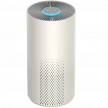
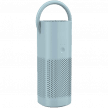
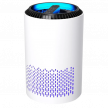
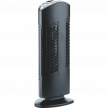


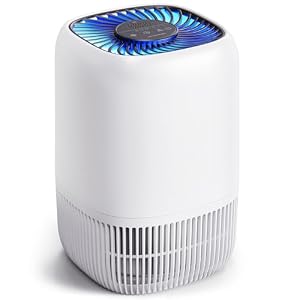


Indoor air might seem clean, but it often contains pollutants you can’t see – dust, pollen, smoke, mold spores, pet dander, and volatile organic compounds (VOCs). These irritants can trigger allergies, worsen asthma, disturb sleep, and cause headaches or fatigue. With people spending around 90% of their time indoors, air quality directly affects comfort, health, and productivity.
An air purifier helps remove airborne contaminants, making your living space healthier and more pleasant. Whether you want to tackle pet hair, reduce odours, or improve sleep, the right purifier can make a noticeable difference. This guide covers everything you need to know – from essential features to the best types for different needs – so you can confidently choose the right air purifier for your home.
How to Buy an Air Purifier: Key Features to Consider
Before choosing an air purifier, it’s important to understand the core features and technical specifications that affect performance. These details will help you compare models and decide what’s essential for your space and needs.
Clean Air Delivery Rate (CADR)
![[MK] Draft: Air Purifiers Main Buyer\'s Guide](https://www.market.com/wp-content/uploads/2025/11/-mk-draft-air-purifiers-main-buyer-s-guide-1.png)
CADR measures how quickly the purifier filters specific pollutants (like smoke, dust, and pollen) from the air. The higher the number, the faster and more effective the unit is. For general use:
Here’s how to break it down:
- Small Rooms (up to 20 m²) – Think bedrooms, nurseries, or home offices. For mild allergies or light dust, a CADR of 80–150 is ideal. If you’re allergic to dust mites, a 120 CADR purifier in the bedroom will clean the air in about 10-15 minutes, perfect before going to sleep or after you get up.
- Medium Rooms (20–40 m²) – This covers most living rooms and large bedrooms. If you have pets, cook frequently, or deal with outdoor pollutants like pollen drifting in, look for a CADR of 150–250. Dog owners will love how fast it freshens up the air before you’re due to welcome guests or after you’ve showered your pooch.
- Large/Open-Plan Rooms (40 m² and above) – For open-plan kitchens, large lounges, or studio flats, aim for a CADR of 250+. If anyone in the home smokes or you live near a busy road, this is where that extra power really makes a difference.
Pro Tip: If you or your child suffers from hay fever, go higher on the CADR – even in a small room. Faster filtration helps tackle pollen and dust before symptoms kick in.
Filter Type
The filter is the heart of any air purifier. Different filters are designed to target different pollutants. Most good purifiers combine several:
- HEPA Filters: Capture 99.97% of particles as small as 0.3 microns. Ideal for tackling allergies, dust, pet dander, and pollen.
- Activated Carbon Filters: Absorb gases, odors, VOCs, and smoke. Best for kitchens, smokers, or urban areas. If you live on a busy street with passing cars or in a big city, look for an air purifier with this filter.
- Pre-Filters: Catch larger particles like hair and lint, protecting the main filter and extending its life. They are common for most air purifiers.
- Antibacterial Coatings: Some filters are treated to stop mold or bacterial growth on the filter surface. This is particularly useful for people with a weak immune system or those living with children and newborns.
- UV-C Light: Neutralises airborne bacteria and viruses by damaging their DNA. Same as the antibacterial coating, this filter is good for families with children.
- Ionisers: Release negative ions that cause particles to clump and fall out of the air. These aren’t physical filters but can enhance cleaning (not recommended for those with respiratory sensitivities).
Air Changes Per Hour (ACH)
ACH shows how many times per hour the purifier can filter the entire volume of air in a room. Look for:
- 2–3 ACH: General air freshness.
- 4–5 ACH: For allergy or asthma relief.
- 6+ ACH: For high-pollution spaces (e.g. smoke or mold).
Noise Level
Most purifiers have a fan that creates noise while circulating air. Look for models rated:
- Below 30dB: Whisper-quiet, like a gentle hum of rain, ideal for bedrooms or nurseries.
- 30–50dB: Normal operation, similar to a fan or fridge hum.
- 50dB+: Audible, best used during the day or in larger, louder rooms.
Some models offer a “Sleep” or “Night Mode”, reducing fan speed and dimming lights for overnight use.
Filter Replacement Indicator
Filters need replacing every 3–12 months, depending on type and frequency of use. A replacement alert or indicator light takes the guesswork out, letting you know when it’s time to service the unit and helps maintain performance.
Smart Connectivity
Many modern purifiers now come with Wi-Fi or Bluetooth connectivity. This lets you:
- Monitor air quality remotely via a mobile app.
- Turn the unit on or off from anywhere.
- Set schedules or timers.
- Receive alerts when filters need replacing.
- Integrate with smart home platforms like Alexa or Google Assistant.
This is particularly useful for second homes, allergy sufferers, or anyone who wants hands-free operation. It also means you can turn your air purifier on on the way home from work, making your space fresh from the moment you step inside.
Smart Sensors and Auto Mode
High-end purifiers often feature sensors that detect pollutants in real-time. In Auto Mode, the unit automatically adjusts its fan speed based on the current air quality. This helps reduce energy use while keeping your air clean without manual adjustment.
Energy Consumption
Most purifiers are energy-efficient, but if you plan to run yours continuously, look for models with Energy Star ratings or low-wattage operation. Units with Auto Mode also save power by adjusting fan speed as needed.
Certifications
Look for trusted certifications that confirm performance and safety:
- HEPA-certified: Confirms that the unit meets high filtration standards.
- Energy Star: Indicates energy-efficient operation, reducing long-term running costs.
- CARB (California Air Resources Board): Ensures ozone emissions are safe, especially important for models with ionisers or UV-C lights.
- CE/UKCA: Indicates compliance with UK/EU safety and performance standards.
These certifications ensure you’re buying a unit that is effective, efficient, and safe for home use.
Design and Controls
Touchscreens, app control, and voice assistant compatibility (Alexa, Google Home) add convenience, especially in smart homes. Some models also have minimalist or modern designs to blend with home interiors.
Understanding Air Purifier Types
Air purifiers come in various types, each designed to target specific concerns – from allergens and smoke to odours and pet dander. Understanding how each type works will help you choose the most effective model for your space and needs.
Things to Consider When Choosing a Type
- If allergies are your top concern, a HEPA-certified unit is a must.
- For smokers or homes near wildfires, prioritise carbon filters and high smoke CADR ratings.
- If pets are an issue, look for washable pre-filters and odor reduction.
- For bedrooms or quiet spaces, check the decibel rating – under 30dB is ideal.
- If you want set-and-forget convenience, smart purifiers with sensors and auto mode make life easier.
- For multi-room or larger homes, go for a high CADR model or consider buying one purifier per zone.
Every home is different – choosing the right type ensures your purifier works efficiently for your specific air quality needs.
Popular Air Purifier Types Explained
Air purifiers come in various types, each using different technologies to clean your indoor air. Understanding these will help you pick the best fit for your home.
HEPA Air Purifiers
HEPA (High-Efficiency Particulate Air) filters are the gold standard for capturing airborne particles. They trap at least 99.97% of particles as small as 0.3 microns, including dust, pollen, pet dander, and smoke. HEPA purifiers are ideal for allergy and asthma sufferers and for general air quality improvement.
Activated Carbon Air Purifiers
Activated carbon filters excel at removing odors, gases, and volatile organic compounds (VOCs) from the air. They often work alongside HEPA filters to handle smells from cooking, pets, smoke, and chemical fumes.
UV-C Air Purifiers
UV-C purifiers use ultraviolet light to kill bacteria, viruses, and mold spores. They can complement HEPA and carbon filters by targeting microorganisms, making them a good choice for people concerned about germs and infections.
Ionic Air Purifiers
Ionic purifiers release charged ions that attach to airborne particles, causing them to settle out of the air or stick to surfaces. While quieter and filter-free, they may produce small amounts of ozone, which some health experts warn against.
Smart Air Purifiers
Smart models connect to your phone or smart home system, allowing you to monitor air quality in real-time, adjust settings remotely, set schedules, and receive alerts. They often combine HEPA, carbon, and UV technologies with added convenience.
Pet-Specific Air Purifiers
Designed for pet owners, these purifiers have enhanced filters to capture pet hair, dander, and odors more efficiently. They often combine HEPA and activated carbon filters tailored to tackle common pet-related allergens.
Portable and Personal Air Purifiers
Small, lightweight units designed for personal spaces like desks, cars, or travel. They’re handy for on-the-go use but typically have limited coverage.
Common Mistakes to Avoid
When buying an air purifier, it’s easy to overlook key details or fall for marketing buzzwords. Avoid these common pitfalls to make sure your purifier delivers real results:
1. Buying the Wrong Size
Air purifiers are rated for specific room sizes. If you use a unit that’s too small, it won’t be able to clean the air effectively – it’ll just run constantly without making much difference. Check the coverage area (usually in square metres or feet) and match it to your room.
2. Ignoring the CADR Rating
CADR (Clean Air Delivery Rate) tells you how quickly the purifier can remove smoke, dust, and pollen. A higher CADR means faster, more effective air cleaning. Don’t rely on wattage or fan size – CADR is the best indicator of performance.
3. Assuming All Filters Are Equal
Not all HEPA filters are true HEPA. Some units use “HEPA-type” or “99% effective” filters that don’t meet the same standard. Always look for “True HEPA” or H13+ for reliable performance. Likewise, not all carbon filters are equally effective at removing odors.
4. Overlooking Filter Replacement Costs
Filter maintenance is ongoing – most need replacing every 6–12 months. Before buying, check how much replacement filters cost, how often they’re needed, and how easy they are to install. Some budget models have expensive or hard-to-source filters.
5. Forgetting About Noise
A purifier might look compact and powerful, but if it sounds like a vacuum cleaner, you won’t want to run it while you sleep or work. Always check the decibel (dB) levels – anything below 30dB is considered quiet. Many units have a night or sleep mode that runs the fan at low speed.
6. Ignoring Smart Features and Sensors
Smart purifiers allow remote control, scheduling, and real-time air quality updates – ideal for busy homes or second properties. Look for models with auto mode (adjusts fan speed automatically based on air quality levels) and app control via Wi-Fi or Bluetooth (to turn your air purifier on/off before you even get home). These features improve ease of use and reduce wasted energy.
7. Not Checking for Certifications
Look for independent certifications such as:
- Energy Star – for low energy use
- AHAM Verified – ensures accurate CADR ratings
- CARB Compliance – essential for ozone safety in ionic models
- CE/UKCA Mark – for safe use in the UK and Europe
These show the product has been tested and meets clear performance or safety standards.
8. Placing It in the Wrong Spot
For best results, purifiers need unobstructed airflow. Avoid putting them behind furniture or in tight corners. Place them at least 20cm from walls and make sure the air intake and output are clear.
Matching Air Purifiers to Room Types
Air purifiers work best when they’re properly matched to the space they’re used in. Room size, layout, and usage patterns all affect how well an air purifier performs – and how satisfied you’ll be with it. Here’s how to choose the right model for common room types:
Small Rooms (up to 15m²)
Look for compact, quiet models with a Clean Air Delivery Rate (CADR) that suits the space. HEPA filters are a must for allergy relief, and a night mode is ideal if using in a bedroom or nursery. Consider a portable or tabletop purifier that fits neatly on a shelf or bedside table.
Medium Rooms (15–30m²)
A HEPA air purifier with a carbon filter is a solid all-rounder for living rooms, kitchens, or shared bedrooms. Prioritise models with variable fan speeds, air quality indicators, and filter change alerts. Smart connectivity can be handy for adjusting settings remotely or tracking usage.
Large Rooms (30m²+)
Choose a high-CADR model designed for open-plan spaces or busy family rooms. These purifiers should have multi-stage filtration (HEPA + activated carbon + pre-filter), strong airflow, and ideally, app control. Look for models rated for 40–60m² and certified by organisations like AHAM or Energy Star.
Bedrooms & Nurseries
Low noise is key – look for purifiers under 30dB in sleep mode. Avoid units with bright lights unless they can be turned off. A true HEPA filter is essential for capturing allergens like pollen and dust mites. Timer and auto-shutoff features are also helpful for overnight use.
Home Offices & Study Areas
HEPA air purifiers with ionisers or carbon filters help reduce fine particles and odors from printers or electronics. A compact, quiet model with a digital display can improve comfort and concentration during long working hours. Smart models allow you to schedule purifying sessions during peak usage times.
Basements or Utility Rooms
These spaces often have poor airflow and odor issues. Choose a unit with strong odor filtration (activated carbon) and possibly UV-C if mold or bacteria are a concern. Continuous operation and washable pre-filters help reduce maintenance.
Pet Areas
Look for pet-specific purifiers with pre-filters to capture hair and dander, HEPA filters for allergens, and carbon filters to tackle odors. Placement near litter boxes or pet beds ensures more effective purification.
Open-Plan Homes or Studios
Opt for an air purifier for large rooms, ideally with multiple air intakes and directional airflow. Smart control is valuable here, as it lets you monitor air quality in real time and control fan speed based on occupancy or air quality levels.
Leading Air Purifier Brands
Choosing an air purifier from a reputable brand ensures better build quality, reliable performance, and solid customer support. Here’s an overview of some of the most trusted names on the market:
Dyson
Best for:
- Premium performance
- Design-conscious buyers
- Smart features
Dyson leads in innovation with high-end air purifiers that often combine HEPA filters, activated carbon filtration, real-time air quality monitoring, and intelligent app integration. Many models also double as heaters or fans. Using a lot of technical jargon and names of patented technologies might put some people off, but these are usually explained on Dyson’s website.
Key highlights:
- Advanced air quality sensors with automatic fan speed adjustment
- Seamless app control via the Dyson Link app (Wi-Fi enabled)
- Sleek, bladeless design is safe for homes with pets or children
- Multi-functional units (cooling, heating, humidifying)
- Premium pricing, but strong build quality and long warranties
Cons:
- Expensive for the performance – sleek designs and extra features (like fan or heater modes) drive up the price, but filtration performance doesn’t always justify the cost compared to dedicated air purifiers.
Philips
Best for:
- Smart air monitoring
- Allergy control
- Broad range of budgets
Philips air purifiers span from entry-level to high-end and often include their proprietary VitaShield and AeraSense technologies for smart, responsive purification.
Key highlights:
- Smart sensors monitor and display PM2.5 and allergen levels
- Auto Mode adjusts speed based on real-time air conditions
- Reliable HEPA and carbon filter combinations
- User-friendly interface and intuitive setup
- Strong brand backing and wide retail availability
Cons:
- Some users report unreliable app performance or syncing problems with the Philips Clean Home+ app, especially on Android devices.
Levoit
Best for:
- Affordable HEPA performance
- Quiet bedrooms
- Allergy sufferers
Levoit offers some of the most popular budget-friendly air purifiers, especially well-suited for bedrooms, nurseries, and smaller living spaces. On the product pages, you can find straightforward explanations of the various filtration systems, and their Wi-Fi-enabled units easily connect to Amazon Alexa and Google Assistant.
Key highlights:
- True HEPA filters are included in most models
- Whisper-quiet operation – ideal for nighttime use
- Some models feature app control and voice assistant compatibility
- Easy filter changes and good availability of spares
- Consistently rated as great value for money
Cons:
- Limited CADR on budget models – while affordable and quiet, entry-level units may not clean air fast enough in larger rooms, despite good filtration quality.
Blueair
Best for:
- Large rooms
- Quiet operation
- Allergy and asthma relief
Blueair purifiers are designed for top-tier filtration with their HEPASilent™ tech, which fuses electrostatic and mechanical filtration for high CADR with low noise. Blueair bets on sleek design, with air purifiers that look like modern speakers and most of their components are designed in Sweden, the mecca of quality design. Their HEPASilent Ultra™ air purifiers use 5% less energy and have a 10% lower noise than traditional true HEPA filtration⁴.
Key highlights:
- Powerful HEPA + activated carbon filters
- Very low noise even on higher settings
- Suitable for larger spaces or open-plan homes
- Models with app control and air quality tracking available
- Premium price, but high performance, and trusted by professionals
Cons:
- Replacement filters can be costly, adding to long-term ownership costs.
Coway
Best for:
- Mid-range value
- Sleek design
- Efficient filtration
Coway is a South Korean brand known for reliable, well-designed purifiers with strong filtration and intelligent modes. Their compact footprint and minimal UI make them a favourite for modern interiors.
Key highlights:
- Multi-stage filters (pre-filter, carbon, HEPA)
- Smart sensors with automatic speed adjustment
- Intuitive controls and LED indicators
- Models often include eco modes and filter lifespan alerts
- Great performance without the premium price tag
Cons:
- Units like the Airmega or AP-1512HH are effective but take up more space than many competitors, which can be an issue in smaller rooms.
Honeywell
Best for:
- Simple, reliable use
- Long-term filter access
- Functional value
Honeywell’s purifiers prioritise dependable HEPA and carbon filtration over fancy features, making them ideal for users who want reliable air cleaning with minimal fuss. Their designs might not be the most aesthetically pleasing, but they offer plenty of choice in terms of shapes and sizes.
Key highlights:
- Strong CADR scores – great for removing smoke, pollen, and dust
- Focus on essential performance without app controls or extras
- Easily replaceable filters are available in high street and online retailers
- Durable, practical builds with good coverage per pound spent
- Solid customer service and extended warranties on many models
Cons:
- While the devices are reliable, many Honeywell models use older designs with basic controls, lacking modern features like app control or smart sensors.
Maintenance and Care Tips
Keeping your air purifier in good condition ensures it performs efficiently and lasts longer. Here are essential maintenance tips:
Regular Filter Replacement
Filters are the heart of any air purifier. Most HEPA and carbon filters need replacing every 6 to 12 months, depending on usage and air quality. Some units have indicator lights to alert you when it’s time. Using genuine replacement filters from the manufacturer helps maintain optimal performance.
Cleaning Pre-Filters and Exterior
Many air purifiers include washable pre-filters that capture larger particles like dust and hair. Clean these every few weeks by rinsing or vacuuming, following the manufacturer’s instructions. Also, wipe down the exterior with a damp cloth to remove dust buildup.
Keep the Air Intake and Outlet Clear
Ensure that the air purifier’s vents are unobstructed and placed in an area with good airflow. Blocking vents can reduce efficiency and strain the unit.
Avoid Moisture Exposure
Air purifiers aren’t designed for damp areas. Keep your device away from moisture to prevent damage to electrical components and filters.
Monitor Performance
If you notice unusual noises, reduced airflow, or persistent odors, it may be time to inspect or replace filters or seek professional servicing.
Benefits of Using an Air Purifier
Using an air purifier can bring several advantages that improve your home environment and overall well-being – and no, they’re no longer just recommended for people with asthma and allergies. With rising pollution and higher temperatures, toxic fumes toxic fumes and airborne particles are becoming more common indoors too – from traffic emissions seeping in through windows to VOCs released by cleaning products, furniture, and paint. Here are the key benefits:
1. Improved Air Quality
Air purifiers remove pollutants like dust, pollen, pet dander, smoke, and other airborne particles. This leads to cleaner, fresher air inside your home or office.
2. Allergy Relief
By filtering out common allergens, air purifiers help reduce symptoms like sneezing, congestion, and itchy eyes for allergy sufferers.
3. Reduced Asthma Triggers
Removing airborne irritants such as dust mites and mold spores can lower the risk of asthma attacks and respiratory discomfort.
4. Elimination of Harmful Chemicals and Odours
Air purifiers with activated carbon filters can capture volatile organic compounds (VOCs), smoke, cooking smells, and other odors, keeping indoor air smelling fresh.
5. Protection Against Airborne Diseases
Some air purifiers, especially those with HEPA and UV-C filters, can trap and neutralise bacteria and viruses, potentially reducing the spread of illness.
6. Better Sleep Quality
Cleaner air promotes easier breathing and can help reduce nighttime allergies or congestion, contributing to a more restful night’s sleep.
7. Enhanced Overall Health
By reducing airborne irritants, air purifiers support lung health and may help prevent long-term exposure-related issues, particularly for children, the elderly, or those with weakened immune systems.
Comparing Air Purifiers with Other Air Cleaning Solutions
While air purifiers are effective at filtering airborne particles and pollutants, they are just one part of maintaining good indoor air quality. Other solutions like ventilation systems, humidifiers, and dehumidifiers serve different but complementary roles.
Ventilation systems help by exchanging indoor air with fresh outdoor air, reducing the buildup of indoor pollutants. However, ventilation alone won’t filter out fine particles or allergens already inside your home. It’s best used alongside an air purifier to both introduce fresh air and clean existing contaminants.
Humidifiers add moisture to the air, which is useful in dry environments to prevent irritation of the skin, throat, and respiratory system. However, they do not clean the air or remove particles and can sometimes encourage mold growth if humidity levels get too high.
Dehumidifiers remove excess moisture to prevent mold and dust mite growth, improving comfort and reducing allergy triggers. Like humidifiers, they do not filter airborne particles or pollutants directly.
Cost Considerations: Initial Price vs. Running Costs
When choosing an air purifier, it’s important to consider not just the initial purchase price but also ongoing expenses. These include replacement filters and electricity usage, which affect the total cost.
Initial purchase price varies widely depending on the purifier’s type, brand, features, and room coverage. Budget models can cost under $100, while premium or smart air purifiers with advanced filtration can exceed $400.
Replacement filters are a significant ongoing cost. HEPA and carbon filters typically need changing every 6 to 12 months, costing between $20 and $80, depending on the model. Some purifiers have washable or reusable filters, which reduce replacement costs but require regular maintenance.
Electricity consumption is generally low, but running a purifier continuously can add to your energy bill. Most models consume between 20 to 70 watts. Using the purifier on lower settings or with timers can help manage energy use.
Balancing cost and performance means considering how often you will use the purifier, the size of the room, and your sensitivity to allergens or pollutants. Investing in a higher-quality unit with efficient filters may cost more upfront, but it saves money and delivers better air quality in the long run.
Tips for Maximising Your Air Purifier’s Effectiveness
To get the most out of your air purifier, proper placement and operation are key. Here are some tips to ensure it works efficiently:
- Position your purifier strategically – place it in the room where you spend the most time or where air quality concerns are highest, such as bedrooms or living rooms. Avoid blocking airflow by keeping it away from walls or furniture.
- Run the purifier continuously for best results, especially if you suffer from allergies or respiratory issues. Pollutants accumulate throughout the day, so consistent filtering maintains cleaner air.
- If continuous use isn’t practical, use timers or smart controls to operate the purifier during peak pollution times, such as morning hours, cooking, or when there’s heavy outdoor pollution.
- Keep windows and doors closed when running the purifier to prevent outdoor pollutants from entering, unless you are ventilating purposefully.
- Complement air purification by reducing sources of indoor pollution: avoid smoking indoors, clean regularly to reduce dust buildup, and control humidity levels to prevent mold growth.
Buying Checklist
Before choosing an air purifier, make sure you’ve considered the following:
- What size is your room?
- What are your primary concerns — dust, allergens, smoke, pets, or odors?
- Do you need it to run in a bedroom or nursery?
- Do you want smart features or app connectivity?
- Will it be moved between rooms?
- Is it energy efficient?
- Are replacement filters affordable and available?
- Does it show real-time air quality data?
- Do you want extra features?
- Have you checked for safety certifications and warranty coverage?
Conclusion
Choosing the right air purifier can make a significant difference in the quality of the air you breathe every day. By understanding the different types, key features like filtration methods, smart connectivity, and important certifications, you can select a model that fits your needs and lifestyle.
Whether you’re looking to reduce allergens, eliminate odors, or improve overall health, an air purifier is a valuable investment for creating a cleaner, healthier indoor environment. Remember to consider room size, filter maintenance, and additional features to get the most out of your purchase.