



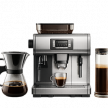

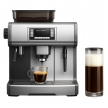
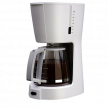

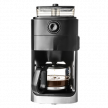

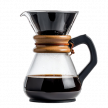


Grind and brew coffee makers combine a built-in grinder and drip brewer into a single machine, letting you grind whole beans immediately before brewing. This preserves aroma and flavor far better than pre-ground coffee and removes the need for separate equipment.
They’re designed for people who want fresher-tasting coffee with minimal effort, making them especially appealing for busy households, couples, or anyone upgrading from basic drip machines.
In this guide, we’ll break down the most important features to look for—from grinder type and grind settings to carafe style and maintenance—so you can choose a grind and brew coffee maker that fits your taste preferences, routine, and budget.
How to Choose a Grind-and-Brew Coffee Maker (Quick Answer)
Choose a grind-and-brew coffee maker by focusing on grind quality, brew capacity, and grind settings. Look for a built-in burr grinder (for consistent extraction), adjustable grind and strength controls, and a water reservoir that matches your daily coffee needs. Prioritize easy cleaning and durable parts to keep your machine running smoothly.
How to Buy a Grind and Brew Coffee Maker: Key Features to Consider
Grinder Type
The grinder is the heart of any grind and brew machine. It has the largest impact on flavor consistency.
Blade Grinders
Blade grinders chop beans with a spinning blade.
Pros
- Lower cost
- Compact and simple
Cons
- Uneven grind size
- Inconsistent extraction
- Less control over flavor
Blade grinders are common in entry-level machines and work best for casual drinkers who prioritize convenience over precision.
Burr Grinders (Flat or Conical)
Burr grinders crush beans between two surfaces for uniform particle size.
Pros
- Consistent grind
- Better extraction and flavor balance
- Adjustable grind size
Cons
- Higher cost
- Slightly louder
If taste quality matters and you drink coffee daily, a burr grinder is strongly recommended.
Grind Settings
Grind size directly affects how coffee extracts during brewing.
Finer grinds → stronger, faster extraction (risk of bitterness)
Coarser grinds → lighter, smoother extraction
Most grind and brew machines are optimized for medium grind, ideal for drip brewing, but adjustable settings let you fine-tune strength and flavor.
What to look for
- At least 5–10 grind settings
- Clear adjustment dial or digital control
- Repeatable settings for consistency
Higher-end models offer more precise control, which is useful if you switch beans or prefer different strengths throughout the day.
Carafe Type
Carafe choice affects heat retention, flavor longevity, and serving convenience.
Glass Carafes
- Sit on a warming plate
- Let you see remaining coffee
- Lighter and easier to clean
Downside: Prolonged warming can cause bitterness.
Thermal Carafes
- Double-walled and insulated
- Keep coffee hot for hours
- Preserve flavor better
Downside: Heavier and usually more expensive.
Quick decision tip
- Drink coffee quickly → Glass
- Sip over time → Thermal
Brew Strength & Customization
Most grind and brew machines allow you to adjust brew strength by changing:
- Coffee-to-water ratio
- Brew time
- Grind amount
Common strength options
- Light
- Medium
- Bold
More advanced models combine strength control with grind adjustment, giving you greater influence over both intensity and texture.
Look for:
- Clearly labeled strength controls
- Simple interfaces that don’t require reprogramming every brew
Programmable Features
Programmability is one of the biggest advantages of grind and brew machines.
Common features
- 24-hour auto-start timer (so you can wake up to fresh coffee at the pefect time)
- Programmable strength and grind settings
- Adjustable brew volume
Advanced features
- Pre-infusion or bloom cycle (a 15-30 second process that gently wets the grounds to release trapped carbon dioxide, resulting in better flavor and extraction)
- Brew temperature control
- Cleaning and descaling reminders
- App or smart connectivity (select models)
If you value waking up to freshly ground coffee, a programmable model is essential.
Bypass Doser
A bypass doser lets you brew pre-ground coffee without using the grinder.
This is useful if you:
- Drink decaf occasionally
- Use specialty or flavored coffee
- Brew for guests with different preferences
Not all machines include this feature, but it adds meaningful flexibility with little downside.
Grind and Brew Coffee Maker Types: Choose by Use Case
Choosing the right grind and brew coffee maker depends on how much convenience and control you want.
Blade Grinder + Drip Machine
Best for: Budget-conscious beginners
Pros: Affordable, simple, compact
Cons: Inconsistent grind, limited flavor control
A starter option if you’re just getting into fresh-ground brewing but don’t want to invest too much.
Burr Grinder + Glass Carafe Systems
Best for: Home brewers who value consistency
Pros: Better flavor, programmable features, mid-range pricing
Cons: Louder grinding, glass carafe needs warming plate
Reliable daily drivers for busy households or couples who want quality and convenience.
Burr Grinder + Thermal Carafe Systems
Best for: People who sip slowly or brew for the day
Pros: Keeps coffee hot longer, no warming plate needed
Cons: Slightly bulkier, often pricier
Perfect if you brew once and drink throughout the morning without sacrificing taste.
Smart Grind and Brew Machines
Best for: Tech-savvy coffee lovers
Pros: App control, advanced temperature and extraction features
Cons: Expensive, steeper learning curve
Best for users who want a café-style experience with customizable precision.
Advanced Features Worth Considering
- Strength selector: Allows you to select the length of brewing time and the amount of ground beans
- Temperature control: Allows for control of the temperature for precise extraction, especially on lighter roasts
- Built-in water filter: Filters out impurities in the water that can affect flavor and longevity of the machine
- Bean hopper with seal: Provides a sealed storage area for coffee beans to keep them fresh and help prevent oxidation
- Grind-off option: Allows use of pre-ground coffee if desired
- Quiet brew mode: Quieter operation for households with early morning risers
- Self-cleaning or descale alerts: Makes it easier to keep the machine well-maintained
- Dual brew sizes: Some models have the option to brew a full pot or a single serving
Budget Breakdown: What to Expect
Grind and brew coffee makers come in a range of prices, reflecting differences in build quality, grinder type, and features.
- Under $100: Entry-level models often use blade grinders and offer basic brewing functions. They’re budget-friendly but may have less consistent grind quality and fewer programmable options. Suitable for occasional use or beginners.
- $100–$200: Mid-range machines usually feature burr grinders, multiple grind settings, and programmable timers. They balance quality, customization, and durability for everyday use.
- Above $200: Premium models offer high-quality burr grinders, advanced programmability, precise temperature control, and premium materials like stainless steel carafes. These machines deliver superior coffee quality and long-term reliability, ideal for enthusiasts.
Which Grind and Brew Coffee Maker Matches Your Routine?
Almost everyone falls into one of these categories. Which one are you?
- Need simplicity? Go for a model with one-touch brewing and pre-set strength controls
- Like to sleep in? Choose a programmable model with auto-start so coffee’s ready when you are
- Household with different tastes? Look for strength and volume customization plus a bypass doser
- Drink slowly throughout the day? Pick a model with a thermal carafe to avoid burnt coffee
- Short on space? Opt for a compact grind-and-brew with fewer removable parts
- Want café-style customization? Seek out premium models with grind settings, temp control, and app integration
Is a Grind and Brew Coffee Maker Right for You?
If the thought of fresh coffee without the hassle sounds appealing, a grind and brew machine is for you. This is great for anyone who wants fresher coffee but doesn’t want to use two separate machines (grinder and brewer). But if you’re the type that loves to tinker with pour over methods or manual espresso, then you might still prefer stand-alone equipment. For the rest of us, this is freshness and convenience in one smart package.
Need help comparing grind and brew systems or looking at other brewing methods? See my main coffee maker buying guide for all the details you need.
Grind and Brew Coffee Maker AQs
Is a grind and brew coffee maker better than buying a separate grinder and coffee maker?
Should I avoid grind and brew machines with blade grinders?
How important is a bypass doser when choosing a grind and brew machine?
A bypass doser is important if you:
- Occasionally drink decaf
- Use specialty or pre-ground coffee
- Brew for guests with different preferences
If you only ever brew whole beans, you may not need it—but for households with mixed habits, a bypass doser adds useful flexibility.
Do grind and brew coffee makers require more maintenance?
Yes, slightly more than standard drip machines. Because they include a grinder, you’ll need to:
- Clean the grinder and brew basket regularly
- Empty the bean hopper occasionally
- Descale the machine every few months
Models with removable grinder parts, cleaning alerts, and built-in water filters make maintenance much easier.
Who should not buy a grind and brew coffee maker?
A grind and brew machine may not be the best fit if you:
- Prefer single-serve or pod convenience
- Enjoy hands-on manual brewing like pour-over or espresso
- Want to frequently switch between many grind sizes or brew methods
In those cases, a dedicated grinder plus manual brewer or a pod system may be a better match.