





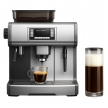
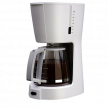
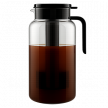
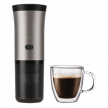




Single serve coffee makers are no longer just for dorm rooms or office breakrooms. In fact, they’re perfect for anyone who wants a quick, consistent, and mess-free cup of coffee. In just seconds, these little countertop gems can brew you a piping hot cup of joe just how you like it, and at the time you need it, all with the press of a button.
In this guide, I’ll help you choose the best single serve coffee maker for your lifestyle, taste preferences, and kitchen space. And, if you’re interested in reading more about coffee machines in general and reviewing the different brands on the market, see my main buyer’s guide.
How to Choose a Single-Serve Coffee Maker (Quick Answer)
Choose a single-serve coffee maker by focusing on brewing style, pod vs ground compatibility, and speed. Pod machines are convenient and consistent, while ground-coffee models offer more flavor control. Also consider water reservoir size, cup height clearance, and ease of cleaning to fit your daily routine.
How to Buy a Single Serve Coffee Maker: Key Features to Consider
Pod Compatibility & Type
Pod compatibility is one of the most important decisions you’ll make. Most single-serve machines are designed for a specific pod system, and pods are not interchangeable.
Common Pod Systems
- K-Cups (Keurig)
- Widely available
- Huge variety: coffee, tea, hot chocolate
- Works with many third-party brands
- Nespresso OriginalLine
- Focused on espresso and espresso-based drinks
- Strong, concentrated brews
- Nespresso Vertuo
- Makes both espresso and full-size cups
- Uses barcode-scanned pods
- Vertuo-only compatibility
- Proprietary Pods (Lavazza, others)
- Brand-specific flavor profiles
- Limited cross-compatibility
Reusable & Third-Party Pods
Some machines support:
- Reusable pods (use your own coffee grounds)
- Third-party pods for lower cost and more variety
Before buying, consider:
- Pod cost and availability
- Flavor variety
- Waste and sustainability
- Whether you prefer espresso-style or full cups
Reservoir Size & Refill Frequency
Water reservoir size affects how often you refill and how convenient the machine is for multiple cups. Larger reservoirs—typically between 40 to 80 ounces—are ideal if you drink multiple cups throughout the day or have guests, as they reduce interruptions and save time. Smaller reservoirs, around 20 ounces or less, require more frequent refills but keep the machine compact and better suited for limited counter space or occasional use.
Tips:
- Larger reservoirs reduce refills and are good for offices
- Smaller tanks save counter space and are suited to solo coffee drinkers
- Removable reservoirs are easier to clean and refill
Brew Strength & Temperature Control
Brew strength and temperature control significantly influence the taste and quality of your single-serve coffee.
Brew Strength
- Adjusts coffee concentration by changing water volume or brew time
- Options include:
- Light
- Medium
- Strong
- Some machines allow custom strength profiles
Useful if:
- You drink different roasts
- You want stronger coffee in the morning and lighter cups later
Temperature Control
- Ideal brewing range: 195°F–205°F
- Too cool = weak or sour coffee
- Too hot = bitter or burnt flavors
Higher-end machines maintain stable temperatures and may allow manual adjustment. Preset machines still deliver good results if temperature consistency is strong.
Cup Size Options
Cup size flexibility lets you brew for different mugs and moments.
Typical options:
- 6–8 oz for small cups
- 10–12 oz for standard mugs
- 14–16 oz for travel tumblers
Some models provide multiple button options or customizable pour volumes, giving you control over how much coffee you want per brew. This is helpful if your preferred cup size varies—such as a small morning espresso and a larger afternoon coffee—or if you want to fill different mugs and travel cups.
If you frequently switch between drink sizes, look for a machine that allows easy adjustment of brew volume without needing to stop the cycle mid-pour. Also, consider the maximum cup height the machine can accommodate to ensure it fits your favorite mugs or travel tumblers.
Build Quality & Footprint
Build quality affects longevity and daily use, while footprint determines how well the machine fits your space.
Build Quality Indicators
- Solid, stable base
- Smooth button response
- Reliable pod mechanism
- Minimal rattling during brewing
- Clear water level indicators
Footprint Considerations
- Compact models suit small kitchens and dorms
- Larger models offer more features but need space
- Check cabinet clearance if reservoirs open upward
Before buying, measure your available counter space and consider how often you’ll move the machine. If you need something portable or space-saving, prioritize compact dimensions without sacrificing essential features.
Cleanup & Maintenance
Easy upkeep keeps a single‑serve machine tasting great and lasting longer. Prioritize models with fully removable parts—drip tray, used‑pod bin, and water reservoir—so you can rinse everything quickly under the tap or load it into the dishwasher.
A slide‑out drip tray catches splashes and pod drips; look for deep trays with smooth surfaces to prevent buildup. Machines that pierce pods should have an accessible needle or brew head you can wipe with a damp cloth to avoid clogs.
Regular descaling is essential because mineral deposits dull flavor and strain the pump.
Choose machines with:
- Descaling alerts
- Simple clean-cycle buttons
- Optional water filters for hard water
Check pod‑waste handling too. Brewers with a built‑in eject mechanism drop used pods into an internal bin, reducing mess—just empty and rinse daily. Finally, confirm that replacement gaskets, filters, and cleaning kits are easy to find online.
Noise Level & Brew Speed
A quiet, fast brewer keeps mornings smooth, especially in shared spaces. Pump‑driven machines with insulated casings typically stay below 60 dB—about normal conversation—while entry‑level units can spike above 70 dB when pressurizing water or ejecting pods. If you make coffee before others wake, check manufacturer specs for decibel ratings or look for reviews mentioning “quiet mode” or vibration‑dampening feet.
Brew speed influences convenience. Most single‑serve machines heat water on demand and finish a 6–8 oz cup in 40–60 seconds; models with internal tanks shave that to around 30 seconds but draw standby power to keep water hot. Units that heat per cup are more energy‑efficient yet add 20–30 seconds of warm‑up.
Match performance to routine:
- Early risers or office users—prioritize sub‑60 dB models with rapid heating so you don’t disturb coworkers or family.
- Energy savers—choose machines that fully power down but still brew under two minutes from cold start.
- Multiple back‑to‑back cups—look for larger internal boilers that maintain temperature between pours to avoid wait times.
Single Serve Coffee Maker Types: Choose by Skill and Style
Choosing the right system depends on how much convenience and control you want.
Pod-Based Systems
Best for: Quick, consistent brews with little cleanup
Pros: Massive variety of pods, very easy to use
Cons: Expensive in the long run, environmental issues
These are the most common single serve machines. Good for multi-person households or offices where speed is a big factor.
Reusable Filter Basket Systems
Best for: Eco-friendly coffee drinkers and customization fans
Pros: You can use your own ground coffee. Can be more cost-effective over time
Cons: More cleanup. You’ll need a way to measure out your grounds
Basically, you get the pod-like convenience of a Keurig with the flexibility of a drip coffee maker when it comes to coffee types and grind size.
Espresso-Style Capsule Machines
Best for: Espresso fans with limited counter space
Pros: Strong, concentrated coffee; compact, sophisticated design
Cons: Makes less coffee at a time. Can only use capsules
Think of this like espresso you can make whenever you want. The taste is robust with a nice crema, but you can’t customize it the way you can with a traditional espresso machine.
Dual Function Machines
Best for: Homes with more than one coffee drinker
Pros: Make both single cups and full carafes of coffee
Cons: More countertop space needed
These machines give you both a one-cup brewer and a traditional coffee maker in one.
Travel-Friendly Brewers
Best for: Small spaces and people who travel often
Pros: Compact, lightweight, some don’t require pods
Cons: Fewer features
These are great for dorm rooms, RVs, or anyone who needs coffee on the go. Throw in your grounds or pods, then plug in and go.
Advanced Features Worth Considering
- Brew size selector: From 4 oz cup to 16 oz travel mug.
- Iced coffee function: Brews right over ice, without watering down flavor.
- Auto-off feature: Saves energy and offers peace of mind.
- Touchscreen displays: Sleek, intuitive controls.
- Built-in milk frother: Makes lattes and cappuccinos easy.
- App or smart connectivity: Start brewing from bed!
- Adjustable drip tray: Fits short cups or tall thermoses.
- Descaling alerts: Reminds you to keep the machine clean and brewing efficiently.
Budget Breakdown: What to Expect
Here’s a quick breakdown of what to expect at various price points:
- $0–$50: Basic single serve brewers. These are good options for students or if you only plan on using it every once in a while. They typically have fewer features and smaller tanks.
- $50–$125: This is the sweet spot. Price range includes name brands and higher end features, like brew strength settings and better build quality.
- $125–$200: This range is when you start to see machines with more advanced or premium features, such as iced coffee mode, touchscreens, and stronger brews.
- $200+: Luxury or high-end machines will offer app connectivity, milk frothers, or dual-brew systems.
Which Machine Matches Your Routine?
If you need a coffee maker that can accommodate different moods and schedules, consider how you like to brew your single serve coffee:
- Always in a rush? Choose a fast, single-button pod system with auto shut-off.
- Weekend sipper? Try a machine with strength control and reusable filter options.
- Need versatility? Go for a dual brew system to make cups or carafes.
- Tiny kitchen? Pick a slim machine like the Keurig K-Mini or Nespresso Essenza.
- Espresso fan? Choose a capsule-based system with crema-rich output.
- Eco-minded? Get a machine with a reusable filter and compostable pods.
- One-cup minimalist? Pick a manual travel brewer like the Aeropress Go.