
 Ice Makers
 Chairs
 Kettles
 Projectors
 Air Purifiers
 Dash Cams
 Headphones
 Smartwatches
 Blenders
 Humidifiers

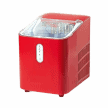
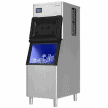
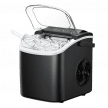


I’ve spent years working with ice maker manufacturers, helping them integrate sensor systems into their designs. That experience taught me something most buying guides won’t tell you: the features that sell ice makers aren’t the same features that make them work reliably for five years. Marketing materials highlight ice shape variety and sleek control panels. Engineering reality says longevity comes down to compressor type, water management, and whether you’ll actually clean the machine.
This guide focuses on the quality factors that separate good ice makers from expensive disappointments. I’ll cover the different types available – countertop, under-counter, commercial, nugget, portable, outdoor, mini, and crushed ice makers – but the goal is to help you understand what actually matters when comparing options. Some features determine objective quality. Others are personal preferences. Knowing the difference helps you avoid paying for marketing hype or buying something that fails in 18 months.
Ice Production: Capacity and Storage Working Together
When shopping for ice makers, most people focus only on daily production capacity. It’s similar to picking a car because it has high horsepower. Production rate matters, but it works with storage capacity to determine whether you’ll have ice when you need it.
Daily Production Rate: Matching Output To Real Needs
Let me break down actual usage. Most families go through 3–5 pounds daily between drinks, cooking, and injuries. That seems reasonable until you throw a party. Eight people drinking for an evening can go through 10–12 pounds. A summer cookout can hit 15 pounds without trying. This is why 26 pounds per day is the practical minimum for household use. Anything less can’t recover quickly enough after high-demand periods.
Production capacity degrades as ambient temperature rises. A unit rated for 35 pounds daily at 70°F might produce only 28 pounds at 85°F. Manufacturers test at controlled temperatures, but your garage, patio, or even your kitchen in July doesn’t match lab conditions. I’ve seen units lose 20–30% of rated capacity in hot environments. If you’re placing an ice maker anywhere that reaches 80°F regularly, add 10–15 pounds to your minimum capacity target.
How you actually use the machine creates a gap between what’s advertised and what you get. That “35 pounds per day” assumes the storage bin never fills up, allowing continuous production. In actual use, the bin fills, production stops, and average output drops. Units rated for 50 pounds or more give you buffer capacity for hot weather, parties, and the reality that ice makers don’t run nonstop.
Storage Bin Capacity: The Equally Important Partner
Production means nothing if your bin can’t hold enough ice to get through peak demand periods. I’ve used units producing 40 pounds daily paired with 1.5-pound storage bins. The compressor gets hammered by constant cycling between full and empty states, and you run out of ice right when you need it most.
Here’s what that looks like in practice. The bin takes 90 minutes to fill. Guests show up and empty it in 20 minutes. Now you’re stuck waiting an hour for more ice.
A storage capacity of 3+ pounds gives you buffer space for gatherings and overnight accumulation. Smaller bins work for light use, but during a dinner party, the limitations show quickly. Eight people drinking throughout the evening need 10–12 pounds total. A 1.5-pound bin requires six to eight production cycles to keep up. A 3-pound bin cuts that in half, and the odds of someone finding an empty basket drop significantly.
The relationship between storage and production determines how often you need to think about your ice maker. High production with inadequate storage creates ice bridging problems, where cubes freeze together into unusable clumps because they’re sitting too long in a full bin. Balanced systems produce what you need, store it efficiently, and deliver ice without constant monitoring.
Production Speed and Cycle Time
Cycle time tells you how quickly an empty machine can start delivering ice again. Units with 6–7 minute cycles can produce a batch while you’re still mixing drinks. Machines that take 15 minutes or more create a noticeable gap between “we’re out” and “here’s the next batch.”
The physics here are simple. Pull heat out of water faster and you get ice faster. Quality compressors, good heat exchangers, and proper refrigerant flow all reduce cycle time.
Fast cycles matter most during recovery periods. Your bin empties during a party, and now the machine is racing to refill. With 7-minute cycles producing 8–10 ounces per batch, you can get 1.5 pounds in about 15 minutes. With 15-minute cycles, that same amount takes more than half an hour. That difference determines whether guests notice a delay or never realize the bin was empty.
Self-Cleaning Systems: The Feature That Determines Longevity
I’ll be direct: buy an ice maker with self-cleaning or plan to replace it sooner.
Manual cleaning schedules fail because people don’t follow them. I’ve opened units after 18 months of use without cleaning and found mineral deposits thick enough to reduce evaporator plate contact area by 40%.
The buildup hits more than ice quality. Your compressor works overtime, you burn more electricity, and every part wears out faster.
Why Self-Cleaning Beats Every Other Feature
Water contains minerals that precipitate out during freezing. Calcium carbonate, magnesium, and other compounds accumulate on evaporator plates where water contacts cold surfaces. Each freeze cycle adds another microscopic layer. After a few months, scaling is visible. After a year, production capacity drops 25–30% because mineral deposits insulate the plates, preventing efficient heat transfer.
Bacterial growth is the other problem. Invisible biofilm grows in reservoirs, on surfaces that touch ice, and inside drain lines. You won’t see it, but you’ll taste it, and it’s not safe.
Self-cleaning systems use controlled water flow and, in better designs, mild acid solutions to disrupt mineral buildup and biofilm. Cleaning manually means taking things apart, scrubbing with special cleaners, rinsing everything thoroughly, and then putting it back together. People avoid this chore until their ice production drops or the ice tastes off.
Compressor stress from mineral buildup also shortens machine life. When evaporator plates are insulated by scale, the compressor has to run longer to achieve the same cooling effect. Longer run times accelerate wear on bearings, valves, and electrical components. In hard-water areas, I’ve seen compressors fail at three years with no cleaning, while properly maintained units in the same conditions run seven years or more.
Evaluating Self-Cleaning Effectiveness
Not all self-cleaning functions work equally well. Basic systems run a rinse cycle that flushes the water reservoir. Better systems circulate cleaning solution through the entire water pathway, including spray nozzles and drainage. The best units combine chemical cleaning with extended rinse cycles that remove both minerals and biofilm.
Frequency matters as much as method. Units with automatic weekly cleaning schedules prevent buildup better than those requiring manual activation. I prefer systems that prompt you monthly, but can run automatically if you choose to ignore the reminder. That way, you’re aware that cleaning happened, but the machine doesn’t wait for permission to maintain itself.
Safety Certifications: The Non-Negotiable Foundation
Skip this section if you enjoy house fires and insurance claim denials. Safety certifications test electrical systems, refrigerant containment, material safety, and manufacturing quality. Units without proper certification aren’t just questionable. They’re liabilities.
Why Certification Status Should Eliminate Products from Consideration
ETL and cETL listings verify basic electrical safety. A third-party lab ran tests proving the unit won’t shock you, catch fire, or interfere with other electronics during regular operation. This is an entry-level certification. Any ice maker lacking ETL/cETL should never make your shortlist.
UL certification goes deeper than ETL testing. UL evaluates manufacturing processes, runs extended durability tests, and performs periodic factory inspections. The testing protocol includes abuse scenarios like overvoltage conditions, blocked ventilation, and water exposure beyond normal operation. A UL listing means the manufacturer invested in quality control systems, not just a one-time product test.
NSF certification covers food safety. Any material contacting water or ice has to fight off bacteria, can’t release toxins, and needs to withstand repeated sanitizing. NSF also evaluates drainage systems to prevent contamination from wastewater backup. If you’re putting this ice in drinks, NSF certification confirms the materials meet food-grade standards.
Red Flags in Product Listings
Watch for vague certification claims. “Meets ETL standards” isn’t the same as “ETL Listed.” One means the manufacturer believes it would pass testing. The other means it actually did. Product photos should show certification labels clearly. If listings don’t mention certification at all, assume it lacks proper testing.
GFCI protection isn’t optional. Ice makers combine water and electricity, creating ground fault risks that standard circuit breakers don’t catch. Your ice maker should either include a GFCI-protected power cord or require installation on a GFCI circuit. This isn’t a comparison feature. It’s baseline electrical safety.
Compressor and Refrigerant: The Heart of the System
The compressor determines long-term reliability. Choose poorly here and nothing else matters, because you’ll be replacing the unit before you recoup the purchase cost.
Compressor Types and Long-Term Reliability
Standard rotary compressors run at a fixed speed. They’re either on (running at full capacity) or off (not cooling). This on-off cycling works fine but generates noise during starts, consumes more power than variable-speed alternatives, and creates temperature fluctuations in the ice production cycle. Rotary compressors are the baseline. They’ll last 5–7 years with proper maintenance, but they’re not sophisticated.
Variable-speed compressors change their output based on how much cooling you need. They keep running at reduced speeds instead of constantly switching on and off. This reduces stress on motor bearings and valve components. The compressor isn’t starting and stopping constantly, so motor windings experience less thermal cycling. I’ve seen variable-speed units run 8–10 years before needing compressor replacement.
Inverter compressors take variable-speed technology further by using DC motors with precise electronic control. They’re quieter because they eliminate startup surges, more efficient because they match output exactly to demand, and more reliable because they avoid the thermal stress of constant on-off cycles. The tradeoff is cost. Inverter compressors add $100–$200 to manufacturing costs, but they deliver the longest service life and lowest operating costs over a decade of use.
Refrigerant Selection and Future-Proofing
R-134a dominated for years, but it’s getting phased out worldwide because of its environmental impact. Plenty of new units still run R-134a. The problem shows up later. When your compressor needs service or develops a leak five years down the line, refrigerant availability becomes an issue. Repair shops are already prioritizing R-600a and R-290. R-134a systems are drifting toward orphaned status.
R-600a (isobutane) runs more efficiently in compact refrigeration setups. It requires a smaller charge, reducing both environmental impact and cost. Its heat-transfer properties allow compressors to work less for equivalent cooling. R-600a is flammable, but at the 1–2 ounce charge levels used in ice makers, the risk is minimal when properly engineered.
R-290 (propane) provides the best performance characteristics for ice production. It delivers excellent heat transfer, operates at lower pressures that reduce compressor stress, and has minimal environmental impact. Like R-600a, it’s flammable, but the small charge sizes used in ice makers present negligible risk. R-290 systems also maintain rated output better as ambient temperatures rise.
Future serviceability matters more than most buyers realize. Your ice maker runs 4–10 years, depending on quality. Midway through that lifespan, you might need refrigerant service. Choosing R-134a today means gambling on parts and expertise being available later. R-600a and R-290 are where the industry is going.
Water Quality Management: Filtration Systems
Hard water kills ice makers slowly. Ice from chlorinated water tastes like you’re drinking from a swimming pool. Built-in filtration fixes both mineral and taste issues, assuming it actually filters what matters.
Built-in Filtration and Production Capacity
Mineral scaling on evaporator plates reduces production capacity measurably. I’ve tested ice makers in hard water areas with and without filtration. Units without filters lost 15–20% of production capacity after six months. The scaling creates an insulating layer between water and cold surfaces, so heat transfer slows down. Every cycle slows down, cutting your daily output despite the compressor running longer.
Effective filtration pulls out calcium, magnesium, iron, and similar minerals before they can solidify during freezing. Simple sediment filters grab floating particles but ignore dissolved minerals. You need activated carbon or multi-stage filtration that addresses hardness, not just visible contaminants. The best systems combine sediment pre-filters with carbon blocks designed for mineral reduction.
Chlorine removal affects ice taste directly. City water gets chlorine added to kill bacteria, which works great for safety, but it’s terrible for drinks. Even small amounts of chlorine create taste problems in ice since freezing concentrates what’s dissolved in the water. Carbon filters remove chlorine well. The taste difference between filtered and unfiltered ice is obvious.
When Filtration Matters Most
Once water hardness hits 7 grains per gallon, you get scaling. Cities usually post hardness numbers online. Look yours up before you decide if filtration is a nice-to-have or necessary. Past 10 grains per gallon, I won’t run an ice maker without it.
Water quality also changes with seasons and across distribution zones. Your water might taste fine most of the year, then smell like chlorine in summer when treatment plants add more disinfectant. Filtration keeps ice quality steady through these swings.
Insulation Quality: The Hidden Performance Factor
You can’t see insulation in product photos, but you’ll notice it in ice retention, energy bills, and compressor lifespan.
Construction Methods and Ice Retention
Single-wall plastic construction offers minimal thermal resistance. Ambient heat penetrates the storage bin quickly, melting ice and forcing the compressor to refreeze it repeatedly. This constant freeze-thaw cycling degrades ice quality (cubes fuse together) and wastes energy. Single-wall units are fine for light use where ice gets consumed within hours of production.
Double-wall construction with an air gap between layers improves insulation substantially. The air space reduces conductive heat transfer, keeping stored ice colder longer. Compressor cycling decreases because the storage bin maintains temperature better. I’ve measured a 30–40% reduction in compressor run time comparing single-wall to double-wall units storing the same amount of ice at 75°F ambient temperature.
Foam-injected insulation gives you the best thermal protection. During assembly, manufacturers pump polyurethane foam between the walls, filling every gap for complete insulation. Ice retention improves dramatically. A power interruption that melts a single-wall bin’s contents in 3–4 hours might leave a foam-insulated bin 60% full after 8 hours.
Energy Efficiency and Operating Costs
Poor insulation causes compressor cycling that adds up on your electric bill. Over a year of operation, the difference between good and poor insulation amounts to 50–100 kWh, or roughly $8–$15 annually at typical residential rates. Multiply that by 5–10 years of service life, and insulation quality saves $40–$150 in energy costs alone. The real benefit is extended compressor life. Every start cycle stresses motor windings and mechanical components.
Ice Types and Shapes: Understanding Your Preferences
Ice shape generates strong opinions. Some people won’t drink anything without nugget ice. Others prefer clear cubes. Here’s what you need to know: ice shape is about preference, not build quality.
Bullet ice forms around a cylindrical probe, creating a hollow center. Production is fast because less water needs freezing. The hollow structure melts quickly in drinks, providing rapid cooling but faster dilution. Bullet ice is the most common shape in portable and countertop ice makers because the mechanism is simple, and cycle times are short. I use bullet ice for everyday drinks where rapid chilling matters more than slow dilution.
Cube ice produces solid blocks through full immersion freezing. Production takes longer per pound because more water requires cooling, but the density means slower melting. Bartenders prefer cube ice for cocktails where dilution control matters. Drinks stay colder longer without getting watery. Making cube ice takes more complicated equipment, bigger refrigeration systems, and longer cycles.
Nugget ice (also called chewable or pellet ice) presses ice flakes into soft nuggets. The chewable texture comes from air trapped inside the compressed particles. Making nugget ice works completely differently from bullet or cube production, using augers and compression instead of freezing in molds. The porous structure soaks up drink flavors, which is why people love it for soda and iced coffee. The downside is slower production and higher machine cost.
Clear ice versus cloudy ice depends on the freezing method. Cloudy ice forms when water freezes quickly, trapping dissolved air and minerals. Clear ice requires directional freezing, where impurities are pushed to one end as ice forms slowly from one direction. Most ice makers produce cloudy ice because fast freezing increases production capacity.
Choose an ice shape based on what you’re drinking and whether texture matters to you. Don’t let ice shape override decisions about production capacity, self-cleaning, or compressor quality. Those factors determine whether the machine lasts. The ice shape just determines whether you enjoy the output.
Choosing Your Installation Type
Installation type gets categorized alongside ice shape as a preference decision, but it has practical implications for capacity, convenience, and permanence.
Portable and countertop ice makers require no installation. You plug them in, fill the reservoir, and they start producing. Daily capacity tops out around 25–35 pounds because these units don’t have space for large compressors or refrigerant charges. The advantage is flexibility. You can move them between the kitchen, patio, and garage as needed. My portable unit stays in the kitchen most of the year, then gets moved outside when I’m hosting summer parties.
Under-counter models install like dishwashers and stay put. They connect to your water line and drain system, eliminating manual filling. Daily capacity ranges from 35–80+ pounds because under-counter space allows larger refrigeration systems. The tradeoff is commitment. Once installed, relocating means plumbing work. Under-counter units make sense when you have dedicated space, want high production, and won’t need to move the unit.
Freestanding ice makers occupy a middle ground. They’re designed for garage or utility room placement, with larger capacity than countertop units but no built-in installation requirements. Many offer both manual fill and water line connection options. I prefer freestanding units for families needing 40+ pounds daily but wanting flexibility to relocate the unit or take it when moving.
Outdoor-rated ice makers withstand weather exposure and wider temperature ranges. Regular units quit working below 50°F or above 90°F. Outdoor-rated versions keep producing ice from 40°F up to 100°F. They’re built with weatherproof controls, UV-resistant plastics or stainless steel exteriors, and sealed electrical parts.
Water Connection Options
Manual fill reservoirs hold 2–4 liters, enough for several production cycles. You refill every 12–24 hours, depending on usage. This works well for moderate production needs and avoids plumbing costs. You can’t leave for days and expect it to keep going. Once the reservoir runs dry, ice production stops dead until you refill it.
A direct water line connection provides an unlimited water supply. The machine produces ice continuously until the storage bin fills, then resumes when space is available. Installation requires a cold water supply line (often tapped from sink supply) and sometimes a drain line if the unit doesn’t use manual drainage. The convenience justifies the installation cost when you’re producing 40+ pounds daily or want a hands-off operation.
Dual-capability units accept both manual fill and water line connection. You start with manual fill to test placement and usage patterns, then add a water line later if needed. This flexibility costs a bit more upfront but lets you adapt as needs change.
Control Features and Convenience Options
Control systems range from basic two-button interfaces to smart-connected displays. More sophistication doesn’t always mean a better experience.
Manual button controls keep things simple. One button starts production, another selects ice size if multiple options exist. No display means no information about cycle status or maintenance needs. Basic controls work fine when everything’s running smoothly. But when production stops, you’re left guessing. Is the bin full? Did the water run out? Did the compressor die? No way to tell.
Digital displays show bin status, water level, and cycle progress. You can see at a glance why production stopped and whether intervention is needed. Timer functions let you delay production until evening when energy rates drop or schedule cleaning cycles for convenient times. The added complexity means more electronics that can fail, but the usability improvement is worth it for units running daily.
Smart and WiFi-enabled controls allow remote monitoring through smartphone apps. You can check ice levels before arriving home from work, start production remotely so ice is ready when needed, and receive maintenance alerts before problems stop production. The reliability question is legitimate. Adding wireless connectivity creates new failure points. For ice makers in vacation homes or rental properties, remote monitoring has practical value.
LED interfaces with timer functions hit the sweet spot for most users. You get clear status feedback and scheduling capability without the complexity of network connectivity.
4 Common Mistakes When Buying an Ice Maker
People keep making the same mistakes I’ve seen dozens of times. Don’t be one of them.
Mistake #1: Buying the Cheapest Option That Meets Capacity
Choosing the lowest-priced unit that hits your capacity target ends up costing more over time when it’s missing self-cleaning, real certifications, or good insulation. You’re saving $100–$150 upfront while accepting higher energy costs, earlier replacement, and potential safety issues. I’ve replaced budget ice makers after 18 months when they failed outside of the warranty. The replacement cost plus disposal and setup time exceeded what I would’ve spent buying quality initially.
False economy extends to missing features like built-in filtration in hard water areas. You’ll spend $50–$75 on descaling service or replacement parts when mineral buildup reduces production. The built-in filter costs $40 annually but prevents damage that shortens machine life.
Mistake #2: Ignoring Production Capacity Realities
People consistently underestimate ice consumption. You think 20 pounds daily is plenty until you host a party and run out in two hours. Remember that rated capacity assumes ideal conditions. Your garage in August doesn’t match the manufacturer’s test conditions. Add 30–40% to your estimated needs before selecting capacity.
Heat cuts production more than most people realize. That 35-pound-per-day rating at 70°F drops to 25 pounds at 85°F. Planning to put it somewhere hot? Those capacity numbers are wishful thinking.
Mistake #3: Wrong Installation Type for How You’ll Use It
Portable units appeal because they’re cheap and flexible, but they frustrate users needing reliable daily production. Manual refilling becomes a chore when you’re consuming 30+ pounds daily. You end up refilling the reservoir twice daily and checking on production all the time.
On the flip side, putting in an under-counter unit without having the right space throws away money and boxes you in. They cost more upfront, need professional installation, and you can’t easily move them later. Match installation type to your actual commitment level and space availability.
Mistake #4: Choosing Ice Shape Before Understanding the Tradeoffs
Nugget ice became trendy, pushing people toward specialty machines they don’t fully understand. These makers produce less ice daily, cost way more, and have complicated mechanisms that need more maintenance. Buying one because it’s popular instead of actually preferring the texture means you’re paying extra for something you might not care about a year from now.
Production efficiency varies by ice type. Bullet ice machines produce 35–40 pounds daily in compact units. Equivalent nugget ice machines top out around 25–30 pounds while costing 50% more.
Leading Ice Maker Manufacturers
Brand reputation matters because it reflects warranty support, parts availability, and engineering investment. Here’s what you should know about major manufacturers.
Scotsman built its reputation on commercial reliability. Their residential units inherit that engineering, meaning overbuilt components and conservative ratings. When Scotsman rates a unit for 40 pounds daily, they’re being conservative. You’ll get that capacity even in less-than-ideal conditions. The downside is cost. Scotsman units run 20–30% more than comparable capacity competitors.
Manitowoc focuses on commercial applications but offers residential models that share commercial design philosophy. Modular components mean repairs involve replacing entire assemblies rather than troubleshooting individual parts. This speeds service but increases parts costs.
GE Profile integrates ice makers into kitchen appliance ecosystems. Smart connectivity works better here because GE controls the entire ecosystem. Build quality is solid, and warranty support through GE’s established service network is reliable.
NewAir and Igloo go after the portable/countertop market with budget prices. You won’t get fancy features or years of service, but if you’re using it occasionally or watching your budget, they work well enough.
Opal specializes in nugget ice and does it well. The mechanism is proprietary and proven reliable. Production capacity is lower than bullet ice makers at similar price points, but if nugget ice is your priority, Opal delivers quality output.
Installation and Maintenance Planning
Plan installation and maintenance before buying. These factors affect total cost and long-term convenience.
Installation Requirements by Type
Electrical requirements vary by capacity. Portable units under 35 pounds daily typically draw 2–3 amps on standard 115V circuits. Under-counter and high-capacity models draw 5–8 amps and may require dedicated circuits. All ice makers need GFCI protection because they combine water and electricity.
Professional water line installation runs $150–$300, depending on how easy it is to reach your supply lines. The work means tapping into your cold water (usually under the sink), running a 1/4-inch line to where the ice maker sits, and adding a shut-off valve. You can do it yourself if you know basic plumbing, but poorly seated fittings lead to leaks, and leaks cause damage fast.
Drainage depends on which type of unit you bought. Manual-drain units require you to pull a plug and empty the reservoir periodically. Gravity-drain systems rely on a downward-sloping drain line to a floor drain or sink. Pump-drain models actively push water upward or sideways, offering more placement flexibility at the cost of an extra component that can fail.
Space and ventilation matter because compressors generate heat. Most ice makers need 2–4 inches of clearance on the sides and back for airflow. Under-counter models designed for enclosed spaces have front ventilation, exhausting heat out the bottom front rather than the back.
Ongoing Maintenance Realities
Self-cleaning frequency depends on water quality and usage intensity. Units in hard water areas benefit from weekly cleaning cycles. Soft water areas can extend to monthly cleaning. Your machine will remind you when it’s time to clean. Don’t blow off those reminders. Every cleaning you skip lets minerals build up, cutting efficiency and taking years off the machine’s life.
Filter replacement typically costs $30–$50 per filter, with 6–12 month replacement intervals. That’s $30–$100 annually to protect ice quality and production capacity. Compare that to descaling services at $75–$100 per visit or the hidden cost of reduced output when scaling slows production.
Even with filtration, descaling may still be necessary in very hard-water regions. Descaling solutions cost $15–$25 and involve running a cleaning cycle followed by thorough flushing. I descale annually as preventive maintenance, even on filtered systems.
Whether you call a tech or fix it yourself depends on your skill level and what’s broken. I handle water flow problems, component cleaning, and filter swaps on my own. Compressor trouble, refrigerant leaks, and electrical issues get handed to professionals.
Which Ice Maker Is Right for You?
Start with the quality features that separate reliable machines from expensive mistakes, then narrow choices based on your preferences.
The Core Quality Features To Prioritize
Production capacity and storage bin size come first. Track your ice usage for a week, then add a 40% buffer for parties and temperature-related capacity loss. For most households, 26 pounds per day is the minimum target. Entertain often or live in hot climates, and you’ll want more. Pair that capacity with at least 2.5 pounds of storage, preferably 3 pounds or more.
Self-cleaning protects your investment and cuts down on maintenance headaches. I’ve never wished I hadn’t paid for self-cleaning, but I’ve definitely regretted buying units without it. This one feature is the difference between a machine lasting three years or making it to eight.
Safety certifications are non-negotiable. UL listing with NSF certification represents the minimum acceptable standard. ETL alone is marginal. Anything uncertified doesn’t belong in your home.
Compressor type and refrigerant affect longevity and future serviceability. Inverter compressors cost more but deliver the longest service life. At a minimum, look for variable-speed rather than basic rotary compressors. Refrigerant choice matters for repairs five years from now. R-600a and R-290 are better long-term bets than R-134a systems being phased out.
The Preference Decisions You’ll Make
Ice shape matters if you have strong preferences, but it shouldn’t override quality factors. Bullet ice machines offer the best combination of production speed, capacity, and cost. Nugget ice delivers texture at the expense of lower production and a higher price. Cube ice provides the slowest melting rate for cocktails.
Installation type depends on your space, commitment level, and production needs. Portable units work well for 25–35 pounds daily needs with the flexibility to relocate. Under-counter installation makes sense for 40+ pounds daily, dedicated space, and permanent placement. Freestanding units split the difference, offering higher capacity without permanent installation.
The water connection method trades convenience for installation simplicity. A manual fill requires no plumbing but needs attention every 12–24 hours. A direct water line provides hands-off operation at the cost of installation work and permanent commitment.
Decision Framework
Start by eliminating options that fail quality standards. Remove anything without proper certifications, self-cleaning, or adequate production capacity for your needs. This typically narrows the field by 60–70%, making remaining decisions much simpler.
Filter remaining options by your installation constraints. No space for under-counter installation? Then the built-in units won’t work. Need it outside? You’re limited to weather-rated models.
Finally, compare the remaining options on price and convenience features. At this point, you’re choosing between machines that meet quality requirements and fit your space. Decide whether smart controls, premium finishes, or dual ice sizes justify the price difference.
Final Perspective From an Engineer
After years of working with ice maker manufacturers, I know what fails and why. Three things determine how long your ice maker lasts: compressor quality, how you handle water, and whether you actually maintain it. Everything else is secondary. I’d rather have a basic unit with an inverter compressor and self-cleaning than a feature-rich machine with a cheap rotary compressor and no cleaning system.
The features I personally won’t compromise on: UL and NSF certification, self-cleaning, 30+ pounds of daily capacity, even if I don’t always need it, and at least variable-speed compressor technology. Built-in filtration is a strong preference, though external filtration can substitute if needed.
Production capacity, compressor type, and safety certifications are objective quality factors. Ice shape, exterior finish, and control sophistication are subjective preferences. Don’t let subjective preferences override objective quality requirements. Find a machine that’ll run reliably for 5–8 years first. After that, pick whichever version fits your style and convenience needs.