
 Ice Makers
 Chairs
 Kettles
 Projectors
 Air Purifiers
 Dash Cams
 Headphones
 Smartwatches
 Blenders
 Humidifiers
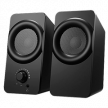

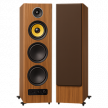
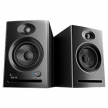

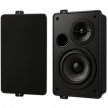


Floorstanding speakers offer scale, deep bass, and a room-filling sound that smaller speakers cannot match. When these speakers are powered (or active), they include built-in amplification, removing the need for a separate amplifier and simplifying the overall system. This guide explains how powered and active floorstanding speakers work, what practical differences matter when buying, and how to choose a model that fits both your room and your listening habits.
Powered vs Active Floorstanding Speakers: What’s the Difference?
Although the terms “powered” and “active” are often used interchangeably, they describe different internal designs.
- Powered speakers: Use a single amplifier to drive multiple drivers, with amplification often housed in one speaker cabinet
- Active speakers: Use separate amplifiers for each driver, with frequencies split before amplification
In practical terms, active speakers tend to offer tighter control and more consistent performance at higher volumes, while powered speakers prioritize simplicity and often come at a lower cost. Both designs can sound excellent when well executed, so the distinction matters more for system complexity and setup than for absolute sound quality.
Do You Have Enough Power Outlets? Electrical Socket Requirements Explained
Electrical sockets are one of the most commonly overlooked considerations when buying powered or active floorstanding speakers. For powered loudspeakers, the chances are that only one of the speakers will need to be connected to the power supply. For active speakers, it’s almost certain that both speakers will need to be plugged into the mains.
Because floorstanding speakers are usually positioned away from walls, this can quickly become a practical challenge if outlets aren’t nearby. Nothing is more certain to spoil your carefully considered interior decor choices than long and unsightly extension cords running from a loudspeaker (or two) to inconveniently positioned sockets in the wall.
- Ensure at least one mains socket per speaker (or one per system for powered models).
- Consider cable management solutions to avoid clutter and maintain aesthetics.
If your room has limited outlets or awkward placement, this alone can influence whether powered or active speakers are a good fit.
Matching Floorstanding Speakers to Room Size
Room size has a bigger impact on floorstanding speakers than many buyers expect. Large speakers in small rooms can sound overwhelming, especially in the bass, while smaller models in large rooms often sound flat or underwhelming. Listening distance and ceiling height matter too, particularly in open-plan spaces, as they affect how low frequencies build and how the soundstage opens up.
Speakers usually come with manufacturer room-size guidelines, which are a helpful reference, but they shouldn’t be treated as strict limits. In practice, you want speakers that can fill your room comfortably without needing to be driven near their limits to sound balanced.
Connecting Speakers To Your Sources
Beyond electrical sockets, powered and active speakers introduce additional setup considerations. Your speakers not only they need to be connected to each other, but they also require connections to physical sources of music and sound.
If you’re using only wireless sources, such as streaming from a smartphone or laptop, this may be the only wiring required. But if you plan to use legacy sources like a turntable, TV, or CD player, those devices must be connected directly to the speaker. Keep in mind that these external sources will usually need their own mains power, which can add to cable clutter if you haven’t planned your setup in advance.
Driver Size and Configuration
The size and number of drivers in a floorstanding speaker directly influence the scale of the sound it can produce. Larger woofers move more air, giving you deeper bass, while additional midrange and high-frequency drivers improve clarity and separation. Many two-way designs will include a woofer and a tweeter, while three-way designs add a dedicated midrange driver to improve vocal clarity and separation. For a typical living room, at least one 6–8 inch woofer provides a good balance of depth and control.
Larger rooms benefit from additional or larger woofers, not necessarily for louder playback, but to avoid strain and distortion when filling a bigger space.
Cabinet Design and Build Quality
When it comes to floorstanding speakers, the cabinet isn’t just a box—it’s a critical part of the sound. A well-built cabinet reduces unwanted vibration and resonance that could interfere with the drivers. Look for materials such as MDF, HDF, or high-quality composites, and check whether the internal structure includes bracing or damping to keep the cabinet rigid. A solid, heavy-feeling cabinet is usually a good sign that the speaker has been designed to remain stable and quiet, letting the drivers do their work without interference.
Built-In Amplifier Power: How Much Do You Really Need?
One of the key advantages of powered or active speakers is that the amplifier is designed to perfectly match the drivers. For medium-sized rooms, 50–100 watts RMS per channel is usually sufficient. More power may be necessary for large spaces to maintain dynamic range and clarity at higher volumes.
Too little power often results in compression and loss of detail. Excess power, when properly matched, is rarely a problem and can actually improve control.
DSP and Room Tuning Features
Some modern powered floorstanding speakers include digital signal processing and when implemented well, it can be genuinely useful. DSP can compensate for things like bass buildup in corners or absorption by carpets and curtains, giving a more balanced and controlled sound. Even a few dB of adjustment across these ranges can make a significant difference in how the speaker sounds in your space.
The most useful systems allow subtle, manual control rather than relying on aggressive presets that dramatically reshape the sound.
Speaker Placement Tips for Best Sound Quality
Even the largest, most capable floorstanding speakers can be held back by poor placement. Ideally, you want to give them space on all sides so they can breathe and project a clear soundstage. Keep at least 30–50 cm from side walls and 50–100 cm from the back wall, especially if the speakers have rear-firing bass reflex ports. This will help prevent boomy bass and preserve midrange clarity, letting the speakers sound their best.
If your room limits placement flexibility, front-ported or sealed designs are often easier to integrate and more forgiving near walls.
Why Listening Tests Matter When Choosing Floorstanding Speakers
Listening remains the most reliable way to choose floorstanding speakers.
Well-designed models should deliver a wide, stable soundstage, bass that feels deep but controlled, and clear vocals that remain intelligible in complex music. Specifications can help narrow options, but they don’t predict how speakers will interact with your room.
Listening at both low and moderate volumes is especially important. Speakers that sound impressive only when pushed hard can become fatiguing over time.
Maintenance, Reliability, and Warranty Considerations
Powered and active speakers contain more electronics than passive designs, making long-term reliability especially important.
Removable grilles make cleaning easier, and replaceable drivers can extend the life of the speakers. Warranty coverage should include amplification and digital components, not just the cabinet.
A warranty period of two to five years across major components is a reasonable indicator of manufacturer confidence.