
 Ice Makers
 Chairs
 Kettles
 Projectors
 Air Purifiers
 Dash Cams
 Headphones
 Smartwatches
 Blenders
 Humidifiers
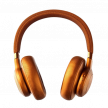
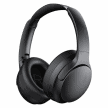


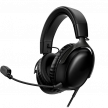
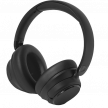
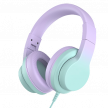


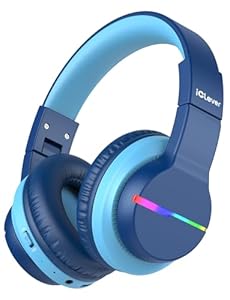


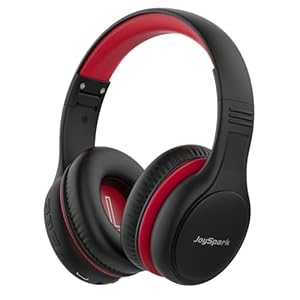


Buying headphones for kids ages 2 to 12 involves different priorities than choosing ones for adults. Children’s headphones are designed with safety, comfort, and durability in mind to protect young ears and withstand rough use. This guide explains what features to look for, from essential safety settings to extra conveniences, and offers top product recommendations to help you find the best fit for your child.
For more general guidance on headphones, see our complete guide to buying headphones.
Key Features
Headphones made for kids have several characteristics that distinguish them from adult models. While the basic goal is the same—safe and enjoyable listening—the design priorities are quite different. Parents usually need to balance sound quality with safety, durability, and ease of use, and the best kid-focused headphones make those trade-offs simple and predictable.
Volume Limiting for Safe Listening
Children’s headphones typically include built-in volume limiters that keep the sound at a safe level around 85 decibels. This ensures that even if a child turns up the volume, it won’t reach levels that could harm their hearing. Some models let parents choose lower or slightly higher caps depending on the child’s age or environment.
Look for independently tested volume limiters, since some budget models claim an 85 dB cap but peak much higher in real-world tests. A proper limiter should prevent sudden spikes in audio from apps, games, or inconsistent source files. For toddlers or sensitive listeners, consider models that cap at 75 dB, which is safer for long sessions. If you’re shopping for older kids who travel often, a 94 dB cap can help them hear content in noisy environments, but only if they use it in moderation.
Avoid headphones that advertise “volume limiting” but do not list specific decibel numbers. If the packaging only says “safe volume” without a rating, the limiter may not be reliable.
Kid-Sized, Comfortable Design
These headphones are scaled down to fit smaller heads. They are lightweight, well-padded, and use adjustable headbands that can expand as a child grows. Soft ear cushions prevent discomfort during longer sessions, making them suitable for travel, study, or entertainment.
Look for a weight under 200 grams for over-ear models, which helps prevent neck strain during long use. Kids tend to be sensitive to pressure, so models with memory-foam ear cushions and a flexible, padded headband usually feel better. For younger children, ensure the headband adjustment range is wide enough to last several years.
Avoid oversized adult headphones repackaged as “kid-friendly.” These often slip, cause fatigue, or create uneven pressure points.
Durable, Kid-Proof Build
Children’s gear must endure drops, twists, and daily wear. Kid-focused headphones often use flexible plastics or reinforced materials that bend without breaking. Many also use non-toxic, child-safe components and meet strict safety standards. These rugged builds ensure longevity even when tossed into a school bag or used roughly.
Look for bendable headbands that can twist without snapping, along with reinforced hinges that handle repeated adjustment. Some models use detachable cables, which prevent damage if a child pulls suddenly. When possible, choose headphones made with BPA-free, non-toxic plastics that comply with child safety regulations, especially for preschool-age users who may chew or mouth components.
Avoid headphones with exposed wiring or stiff plastic arms that crack easily. If a model has a history of hinge failures or loose earcups in user reviews, skip it.
Fun and Practical Extras
Designs often include bright colors or familiar characters to make listening more appealing. Some have simple parental controls, sharing ports for multiple listeners, or large, easy-to-use buttons. The simplified layouts make operation intuitive for even the youngest users.
Look for features that actually improve usability rather than just add decoration. A share port, for example, allows two kids to plug into the same device without a splitter. Oversized buttons help younger children manage volume and playback independently. Some wireless models include app-based controls that let parents lock volume caps or see battery status.
Avoid overly gimmicky designs that compromise build quality. Some ultra-cheap “character headphones” focus on visual appeal but use poor materials and lack safety certifications.
Key Specs & Features Explained
Understanding the specifications can make it easier to compare different models and select one suited to your child’s needs.
Volume Limit (dB)
This number shows the maximum loudness the headphones can reach. An 85 dB limit is common and considered safe for extended use, while some models offer 75 dB for toddlers or 94 dB for noisier surroundings. Since children’s ears are more sensitive than adults’, a proper limiter is recommended to prevent hearing damage.
Look for volume limiters that work electronically, not just mechanically. An electronic limiter regulates spikes more reliably. If the headphones offer multiple limit modes, make sure switching between them requires either a tool or a hidden toggle so kids cannot adjust the limit themselves.
Avoid models that allow easy bypassing of the volume cap through the device’s settings or with high-power audio sources. Some phones and tablets can overpower low-quality limiters.
Active Noise Cancellation (ANC)
ANC technology reduces outside sounds by using small microphones to counteract ambient noise. It is not universal among kids’ headphones but can be helpful for travel or loud environments. With ANC, children can hear clearly without turning the volume up, which promotes safer listening. If ANC is absent, good passive isolation from well-sealed earcups can still minimize background sounds.
Look for ANC that reduces at least 10–20 dB of background noise. Anything weaker may not be noticeable enough for kids. On flights or long car rides, ANC prevents children from turning the volume to unsafe levels just to drown out engine hum. For everyday use, strong passive isolation through thick ear cushions can be enough without the expense of ANC.
Avoid ANC models that lack a pass-through or transparency mode, since some children may need to hear parents or teachers without removing the headphones.
Wireless & Battery
Wireless Bluetooth models remove cables entirely, reducing tangles and potential hazards. Look for modern Bluetooth versions that offer stable connections and a range of about 30 feet. Battery life varies, typically between 12 and 30 hours per charge, with some premium sets lasting even longer. Many wireless models also work with an optional cable when the battery runs low.
Look for Bluetooth 5.0 or newer, which improves connection stability and reduces latency in videos and games. A 20-hour minimum battery life is ideal for school, travel, and extended tablet use. USB-C charging is more convenient and durable than micro-USB, so consider it a plus.
Avoid models with no wired backup if your child uses the headphones for school or travel. Battery-dependent headphones can become unusable at inconvenient times if a cable isn’t available.
Comfort & Fit
Comfort is essential because kids may refuse to wear uncomfortable headphones. Look for soft foam or plush padding and a lightweight build under 200 grams. The headband should be easily adjustable to fit growing children, and the clamp pressure should be gentle but secure. Flexible designs help prevent strain on smaller heads and necks.
Look for models with swivel earcups, which allow the headphones to sit naturally on different head shapes. If possible, check the minimum and maximum headband extension measurements to ensure a proper fit. Breathable materials matter for kids who wear headphones for long sessions, as leatherette pads can get warm and sweaty.
Avoid stiff headbands or pads that feel rough or plasticky. If user reviews mention hotspots or complaints from kids about pressure, choose a softer option.
Durability & Build Quality
Children often treat electronics roughly, so sturdy materials are non-negotiable. High-quality plastics, reinforced joints, and tangle-resistant cables prevent breakage. Some headphones are designed to twist or bend without snapping, while detachable cables and strain relief protect wired connections. Models tested for child-safety standards and backed by warranties typically last longer.
Look for drop-tested designs, especially if the manufacturer claims durability. Some brands provide specific data, like surviving 3–4 foot drops, which indicates better real-world resilience. Fabric-covered cables or flat tangle-free cords last longer than basic rubber-coated ones. For wireless headphones, look for earcups with impact-resistant shells rather than thin, hollow plastic.
Avoid glossy plastics that scratch easily or hinges that wobble when adjusted. If the headphone arms feel loose straight out of the box, they likely won’t last long.
Sound Profile
Kids’ headphones emphasize balanced, moderate audio rather than deep bass or high volume. They usually feature 30–40 mm drivers that provide clear, detailed sound for music, videos, and educational apps. Better sound means listeners won’t have to crank up the volume to understand speech or get decent bass response. The tuning focuses on safe, pleasant listening rather than powerful output.
Look for a sound profile that keeps vocals clear and midrange balanced, since kids consume a lot of spoken content through audiobooks, shows, and learning apps. If possible, choose headphones with 40 mm drivers, which are common in higher-quality models and typically offer fuller sound at lower volume.
Avoid models with exaggerated bass boosts, since these can encourage kids to increase the volume to compensate for muffled mids and highs.
Microphone & Controls
For online learning or calls, a built-in microphone is a plus. Many wireless models integrate the mic into the earcup, while some wired options include it on the cable. Certain education-oriented designs come with detachable boom mics for clearer voice pickup. Controls should remain minimal and intuitive, with large buttons or sliders that children can manage easily.
Look for headphones that support dual microphones if your child uses them for classes. A second microphone helps reduce background noise, making speech clearer. Large, tactile buttons are easier for kids to operate without frustration, especially during remote learning or group calls. If your child is very young, consider models with limited button options to keep operation simple.
Avoid touch-sensitive controls on models meant for kids under eight. Touch panels can be difficult for small hands and often lead to accidental volume changes.
How to Choose Based on Age
Kids of different ages have different needs when it comes to fit, safety, and features. The right pair of headphones for a toddler is not the same as the right pair for a preteen who uses them for school, travel, gaming, or streaming. Matching the product to your child’s age helps ensure comfort, safe listening habits, and better long-term value.
Ages 2–4: Toddlers and Preschoolers
At this stage, safety and simplicity matter more than anything else. Most children in this range have sensitive hearing, small head sizes, and limited ability to manage controls on their own.
Look for:
- A strict 75 dB volume limit, which is safer for longer sessions and protects developing ears.
- Ultra-lightweight builds under 150 grams to avoid neck or head strain.
- Wide, soft headbands that stay secure without pinching.
- Thick, plush ear cushions that distribute pressure evenly.
- Simple wired designs with minimal buttons, since younger children may not manage Bluetooth pairing.
- Non-toxic materials that meet child safety standards for chew-safe plastics.
Avoid:
- ANC or complicated wireless controls that toddlers cannot operate safely.
- Any headphones with detachable small parts that could pose a choking hazard.
- Overly tight clamps or heavy padding that gets warm quickly.
Ages 5–7: Early School Years
Kids in this age bracket need a balance of comfort, safety, and usability. They are more independent, but they still benefit from controlled volume and simple operation.
Look for:
- An 85 dB volume limit, ideally with an optional 75 dB mode for younger children.
- Adjustable headbands with room to grow, since head sizes change quickly during these years.
- Durable, flexible builds that can handle drops and twists.
- Large, intuitive buttons or sliders for volume and playback.
- Optional wireless models with Bluetooth 5.0 or newer, as most kids this age can handle pairing with supervision.
Avoid:
- Headphones that exceed 85 dB or allow easy bypass of the limiter.
- Overly complex apps or parental controls that require frequent setup.
- Touch controls that may cause accidental button presses.
Ages 8–10: Middle Childhood
Kids in this range often use headphones for schoolwork, online learning, games, streaming, and travel. Comfort and durability remain important, but features like microphones and wireless support matter more.
Look for:
- A reliable 85 dB limit, ideally independently verified.
- Wireless models with at least 20 hours of battery life and a wired backup cable.
- A built-in microphone, ideally with noise reduction for clearer school calls.
- 40 mm drivers for better clarity without needing higher volume.
- Swivel earcups and breathable padding for long study sessions.
- Impact-resistant materials that can survive daily school use.
Avoid:
- Bass-heavy tuning that encourages kids to turn the volume up.
- Cheap decorative models that prioritize appearance over build quality.
- ANC modes without transparency options, since kids in this age group still need to hear instructions at home or school.
Ages 11–13: Preteens
Preteens often want adult-like sound and features, and many use headphones for music, gaming, and sustained screen time. Safety is still essential, but models in this stage can offer more advanced features as long as volume limits remain intact.
Look for:
- A selectable 85–94 dB cap, with clear parental control over the setting.
- Bluetooth 5.2 or newer for lower latency in games and smoother streaming.
- Optional ANC, especially if the child travels frequently or studies in noisy environments.
- Detachable boom mics for clearer class calls or group chats.
- Strong passive isolation, which helps keep volume low even with ANC off.
- Foldable designs and protective cases for school bags.
Avoid:
- Models aimed at adults that lack volume limiting entirely.
- Headphones with high clamping force, since preteens may wear them for hours at a time.
- Very open-back designs that leak sound and may encourage higher volume use.
Ages 14 and Up: Teenage Listeners
Teens often transition into adult headphones, but volume safety should still guide the decision. Many teenagers use headphones for extended periods during homework, commutes, or entertainment, so long-term comfort and safe listening habits are key.
Look for:
- An optional limiter that still provides an 85 dB mode when needed.
- High-quality wireless models that maintain clarity at lower volumes.
- ANC with transparency modes, which helps teens stay aware in public spaces.
- Lightweight builds under 250 grams for long-term comfort.
- Robust folding mechanisms and solid hinges for backpacks and daily carry.
- Good midrange clarity for podcasts, calls, and study audio.
Avoid:
- Headphones marketed for gaming that exceed safe volume limits.
- Any model that distorts at moderate volumes, since distortion encourages turning the volume higher.
- Heavy, bulky models that cause fatigue during long sessions.