
 Ice Makers
 Chairs
 Kettles
 Projectors
 Air Purifiers
 Dash Cams
 Headphones
 Smartwatches
 Blenders
 Humidifiers
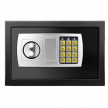
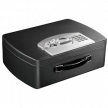
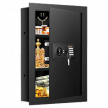
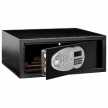
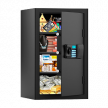
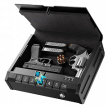
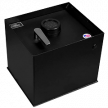


If you’re considering a depository safe, you’ve likely already encountered the limitations of using a standard safe for regular cash handling. Frequent deposits, shared access, or the need to limit who can retrieve stored cash tend to expose weaknesses over time, whether that’s inconvenience, poor organization, or security shortcuts that gradually creep in.
The real challenge isn’t deciding whether a depository safe makes sense, but understanding which features will actually matter in daily use. Construction quality, burglary ratings, lock design, deposit mechanisms, and installation options all affect security and usability in ways that aren’t always obvious from product listings.
I’ll walk through those details in practical terms, helping you make informed trade-offs and choose a depository safe that fits your cash volume, access needs, and risk tolerance without unnecessary complexity.
What Is a Depository Safe?
A depository safe is built around a one-way deposit path. Cash goes in through a slot or chute, passes through internal barriers, and drops into a secured compartment that can’t be accessed again without opening the main door. The key detail isn’t the slot itself, but what happens after the deposit is made.
Inside the chute, quality depository safes use anti-fishing baffles — angled steel plates that allow bills or envelopes to fall under gravity but block anything from being pulled back out. Once cash clears those baffles, simple retrieval tricks like wire hooks, tape, or probes stop working. That internal layout is what separates a true depository safe from a basic safe with a hole cut into it.
Because deposits and retrieval are physically separated, depository safes hold up better under frequent use. You can make regular deposits without unlocking the safe, without exposing stored cash, and without relying on self-discipline to keep the door closed. That design is why they’re used anywhere cash is handled repeatedly, and why they behave very differently from standard home safes once you start using them daily.
Burglary Ratings Explained
Burglary ratings are one of the most meaningful indicators of a depository safe’s real security, yet they’re often misunderstood. Unlike marketing claims, these ratings are based on standardized testing that simulates real break-in attempts using common tools such as pry bars, drills, and cutting equipment.
What matters most is not whether a safe is theoretically “breakable,” but how long it can realistically delay access. In real-world break-ins, time is a critical factor. Noise, visibility, and the risk of interruption all work against the intruder. A safe that can resist attack for even a few additional minutes often changes the outcome entirely.
Higher-rated depository safes achieve that resistance through thicker steel, reinforced doors, hardened lock areas, and stronger anchoring points. Lower-cost, unrated safes may look similar at a glance but typically rely on thin steel and basic construction that fails quickly under force.
RSC-rated safes provide entry-level resistance against hand tools and are common in residential use. B-Rate and C-Rate safes step up steel thickness and overall construction quality and are more appropriate for regular cash handling. TL-15 and TL-30 safes are designed to withstand sustained professional attacks and are usually reserved for higher-risk or higher-volume environments.
Dual Key vs. Combination Locks
Lock choice affects daily use more than many people expect. With depository safes, access happens frequently, and friction at the lock often leads to poor habits over time.
Keyed locks offer fast, intuitive access. That convenience is valuable when deposits are frequent, but it comes with the responsibility of strict key control. Keys can be lost, copied, or stolen, and once a key is compromised, the lock itself becomes a vulnerability unless it’s replaced.
Combination locks eliminate physical keys entirely, reducing that risk. Mechanical combinations, however, take longer to open and require care to avoid observation. Over time, frequent dialing also increases wear on internal components.
Here’s how the two main lock types stack up for depository safes:
Electronic locks sit between those two extremes. They allow quick access while making it easy to change codes when access needs change. For setups involving multiple users or periodic access updates, electronic or biometric locks often provide the best balance of speed and control. Learn more about biometric security and find out how these systems work and where they make practical sense.
Bolt and Door Considerations
Locking bolts and door construction are where real security differences become visible. Bolt count alone doesn’t tell the whole story. Placement matters just as much. Bolts that engage multiple sides of the door frame distribute force more effectively and resist prying far better than bolts concentrated on a single edge.
Door construction separates lightweight deterrents from serious security. Thick steel doors with reinforced edges resist both cutting and prying attempts. Higher–quality depository safes use doors that are at least as thick as the body walls. Door fit matters here as well. When closed, the door gap should be minimal. Larger gaps give thieves something to grab onto with prying tools.
Pay attention to how the door mounts to the frame and hinges. Internal hinges prevent hinge attacks entirely. External hinges should have non-removable pins or secondary locking mechanisms. The best depository safes feature doors that sit flush with the frame when closed, creating a seamless barrier that’s much harder to attack than doors with exposed edges or obvious pry points.
Anchoring and Placement Options
Even very heavy depository safes benefit from floor anchoring. Weight alone is rarely enough to stop a determined theft attempt, especially when leverage or multiple people are involved. Concrete gives you the best foundation for expansion bolts or chemical anchors that resist pull-out forces. Wooden floors require more planning and often depend on joist alignment or reinforcement beneath the floor.
You want mounting holes that come pre-drilled from the factory rather than having someone drill them on-site, which can compromise the safe’s strength.
Placement also plays a major role in security. Businesses often install depository safes under counters or inside walls to reduce visibility. Through-the-wall installations allow deposits from one side and retrieval from another, which limits exposure and improves control.
For a deeper look at installation considerations and common mistakes, find out how to install a safe.
Portability vs. Security Trade-offs
Portability almost always comes at the expense of security. Lightweight depository safes under 100 pounds are easier to install or relocate, but without anchoring, they’re vulnerable to removal. My portable keyed safe taught me that if a safe can be carried out, it often will be.
However, some situations call for portability. For example, temporary cash collection at events or rental properties where a permanent installation isn’t feasible. In those cases, limiting stored cash, improving concealment, and choosing stronger lock mechanisms become especially important. If concealment is part of your strategy, learn about where to hide a safe from our guide.
Capacity Planning
Getting the size of your depository safe right from the start saves you from needing to upgrade later. Many people end up underestimating their needs, when in reality, cash accumulates fast, and bills, envelopes, deposit bags, and coin rolls take up a lot of space.
Planning for at least 30–50% more capacity than current needs helps prevent frequent emptying and reduces the risk of jams, especially with slot-style deposits. Overfilled safes are harder to manage and more likely to cause operational problems.
How you organize deposits and who needs access will determine whether you want single or multiple compartments. One big compartment gives you maximum flexibility and costs less upfront, but requires internal organization. Multiple compartments let you separate different income streams or give different people access to specific sections without opening the entire safe.
The multiple-compartment models usually sacrifice some total volume for the added organization, so you’re trading space for convenience. The right choice depends on how deposits are handled day to day.
Depository Chute Features
The deposit mechanism itself varies between manufacturers and directly impacts both security and day-to-day usability in daily operation.
Hopper vs. Slot Designs
Hopper-style deposits use a larger opening with a hinged tray that tips cash into an internal collection area. In practice, this design is more forgiving. It handles bulk deposits, folded bills, envelopes, and mixed contents with fewer issues, which makes it better suited for frequent or uneven deposits.
Slot-style designs force deposits through a narrow opening into a set of internal anti-fishing baffles. They offer better security since the narrow opening makes it nearly impossible to reach inside and fish out deposits, but they can jam more easily with folded bills or thick envelopes, especially as the safe fills. Once cash passes the baffles, retrieval attempts using wire, hooks, or similar tools stop working, but the deposit process itself demands more consistency.
Tamper Detection and Access Control
Many depository safes come with tamper indicators that show if someone has interfered with the deposit chute or attempted unauthorized access. At the basic end, this may be a seal that breaks if disturbed. More advanced models use electronic sensors that log every access attempt or trigger alerts.
Some models let you lock down the deposit function completely, which comes in handy when the safe is full or when you’re doing maintenance. While not essential in every setting, these features add visibility and control where cash handling involves multiple people or shifts.
Integration with Business Systems
Higher-end depository safes can hook up to point-of-sale systems, cash registers, or teller counters for smooth cash handling. In these setups, the deposit chute might connect directly to a cash drawer or include electronic counting features that track deposit amounts.
While this level of integration goes beyond most home applications, it shows how seriously manufacturers take the operational side of cash handling. Even basic models should have smooth deposit action and clear visual confirmation that your money made it inside the safe compartment.
Upgrading from a Regular Safe
Standard home safes aren’t designed for frequent deposits. They lack anti-fishing features, purpose-built interiors, and the workflow advantages that depository safes provide. Repeated opening increases wear and encourages shortcuts that undermine security.
Depository safes eliminate those issues by separating deposit access from retrieval entirely. If you’re comparing this category against a home safe or fire safe, deposit frequency is the deciding factor. Occasional storage doesn’t justify a depository safe. Regular cash handling often does.
For a clearer picture of how different safes work mechanically, check out our article on how safes work.
What Features To Prioritize
Whether this is your first depository safe or you’re replacing an existing one, certain features have a much bigger impact on security and day-to-day usability than others. These are the elements that matter most once the safe is installed and in regular use.
- Deposit chute with anti-fish baffles – Prevents the retrieval of deposited cash through the slot using wire, hooks, or similar tools
- Burglary rating – At least RSC, preferably B-Rate or better for regular or higher-volume cash handling
- Multiple locking bolts – Four or more bolts distributed around the door provide far better pry resistance than single-side locking
- Steel Thickness – 10-gauge body walls minimum offer a meaningful step up from entry-level designs
- Capacity planning – At least 50% more space than you think you need to avoid overfilling and frequent emptying
- Lock mechanism quality – Electronic locks with backup key offer more flexibility than basic mechanical combinations
- Anchoring capability – Factory pre-drilled anchor points allow for secure permanent installation
Key Maintenance and Management Tips
When you’re storing cash, key control becomes way more important, especially if other people need access to your depository safe.
- Track every key or access code. Lost keys or shared codes are common sources of security failures.
- Store backup keys off-site Spare keys or override codes should never be kept near the safe.
- Update access when circumstances change. Staff changes, shared access, or lost credentials should trigger immediate updates.
- Limit how many people have access. Every extra key is another chance for theft or loss.
- Go electronic for business use. You can change codes instantly when people leave, unlike physical keys that require lock changes.
- Make safe access part of your security system. Safe access should align with how the rest of the space is secured
How To Choose the Right Depository Safe for You
Start by honestly assessing your cash volume and deposit frequency, then size up generously to avoid outgrowing the safe too quickly. Choose a burglary rating based on actual security needs rather than defaulting to the lowest price point.
Lock choice should align with access needs, not just convenience. Prioritize construction quality, deposit security, and anchoring capability over secondary features. A well-chosen depository safe should quietly solve a recurring problem without requiring constant attention.