
 Ice Makers
 Chairs
 Kettles
 Projectors
 Air Purifiers
 Dash Cams
 Headphones
 Smartwatches
 Blenders
 Humidifiers
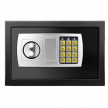
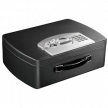
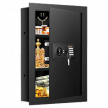
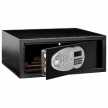
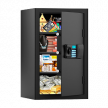
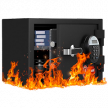


When I bought my first firearm, I thought a gun safe was optional. That changed quickly after a few break-ins nearby and hearing real stories about children finding unsecured guns. A proper gun safe does two critical jobs: it keeps unauthorized access and protects firearms and ammunition during a house fire.
As an engineer, I’m used to ignoring marketing nonsense and looking at what actually works. After buying two safes – a dial combination model and a keyed fire safe – I’ve figured out the real differences between protecting guns versus documents. Rifles take far more space than expected, ammunition changes fire safety requirements entirely, and many advertised specs don’t translate well to real-world use.
This guide translates technical detail into clear buying advice so you can choose a safe that fits your collection, your home, and your risk profile.
Gun Safe Security Ratings What Actually Protects Your Firearms
Most buyers assume heavier means safer. In reality, gun safes need legitimate third-party certifications rather than manufacturer marketing claims. The baseline certification to look for is UL RSC (Residential Security Container).
This means the safe needs to survive at least five minutes of attacks using everyday tools like crowbars and hammers. While five minutes sounds short, it’s usually enough to defeat smash-and-grab burglars who depend on speed and low noise. California’s Department of Justice pushes things further with construction standards designed specifically for firearm storage, which many reputable manufacturers follow even outside the state.
If your collection is valuable or you want real theft resistance, look beyond basic RSC. UL TL-15 and TL-30 ratings test safes against professional burglary tools like cutting torches and diamond-tipped drills. A TL-15 rating means professional thieves with serious equipment couldn’t crack it in 15 minutes of focused effort.
These are the key security ratings you should know:
- No Rating – Avoid these completely for firearms
- UL RSC – Minimum acceptable standard for gun safes
- California DOJ Approved – Meets state firearm storage requirements
- UL TL-15/TL-30 – Professional-grade protection against advanced attacks
Choosing the Right Size: Why Capacity Ratings Mislead Buyers
Gun safe capacity numbers are optimistic at best. Manufacturers test capacity with bare rifles, no scopes, no accessories, packed like sardines. That “20-gun safe” usually holds closer to 12–15 rifles with real-world gear.
Interior space disappears quickly. Thick steel walls, fire insulation, shelving systems, ammo storage, optics, and paperwork all consume room. Rifles are long, handguns need different shelving, and you’ll want adjustable everything to be adjustable because your collection will change.
A reliable rule is to reduce the manufacturer’s claimed capacity by at least 40 percent. If you currently own eight rifles, a safe rated for twenty is a sensible starting point. Most buyers regret buying too small, while very few regret buying slightly larger than necessary.
Lock Types Explained: Speed vs Long-Term Reliability
Every locking system forces a tradeoff between fast access and long-term dependability. The right choice depends on whether your priority is emergency access, maximum reliability, or a balance of both.
- Mechanical dial locks – Extremely reliable, with no electronics or batteries to fail. They work during power outages and after long periods of neglect, but opening typically takes 20–30 seconds, which can be slow in emergencies. Lower-quality dials may loosen over time, making precise dialing harder.
- Digital keypads – Provide fast access, usually opening in 5–10 seconds, with easy code changes and optional multi-user access. They rely on batteries and electronics, which can fail in humid conditions or after battery corrosion, so build quality matters.
- Biometric scanners – Use fingerprint recognition for unlocking. They offer quick access when conditions are ideal but can misread dirty, wet, injured, or calloused fingers. Because of this inconsistency, biometric locks work best as secondary access methods paired with a keypad or mechanical backup.
- Keyed locks. Simple, durable, and inexpensive, with no electronics or batteries to maintain. However, keys can be lost, stolen, or duplicated, and accessing a key in an emergency is often slower than entering a code. For this reason, keyed locks are best suited for document safes, ammo storage, or secondary compartments rather than primary firearm access.
For most buyers, a high-quality digital keypad offers the best balance of access speed, reliability, and everyday convenience. Mechanical dial locks remain the top choice for long-term durability and minimal maintenance. Biometric scanners and keyed locks work best as secondary access methods rather than primary locking systems.
Fire Protection: Why Ammunition Changes Everything
Fire ratings become far more complex when firearms and ammunition enter the equation. Paper documents burn at 1,700°F, while ammo starts cooking off around 400°F. That massive difference means document safes and gun safes are engineered very differently.
Gun safes account for both firearm preservation and ammunition safety. Proper gun safes use multi-layer insulation systems that slow heat transfer and keep interior temperatures below ignition thresholds for extended periods.
For most homes, a 60–90 minute fire rating offers solid protection. Larger houses or rural locations benefit from 90–120 minute ratings, especially where fire response times are longer. The tradeoff is space. Thicker insulation reduces usable interior capacity and increases cost, which is why cheaper safes often feel surprisingly roomy.
When possible, storing bulk ammunition in separate fire-rated containers further improves safety.
Evaluating Construction Quality: What Actually Makes a Safe Secure
These build-quality factors determine whether a model can truly resist forced entry or simply slows thieves down slightly.
- Steel thickness – Steel gauge is the biggest factor in burglary resistance. Gun safes should use 7-gauge steel or thicker for the body; anything thinner can be cut with standard tools in minutes. Thick steel gives it that solid, substantial feel when you rap your knuckles against it.
- Door construction – Doors need extra attention since thieves focus their attacks there. Look for doors at least 3 inches thick backed by serious locking hardware.
- Locking bolts and placement – Bolt count and placement tell you how well a safe resists prying. Cheap models use 3–6 bolts clustered on one side, while higher-quality safes use 12 or more bolts engaging all four sides of the frame, spreading force evenly and making prying far more difficult.
- Hinge design – Internal hinges offer better security because they eliminate an external attack point. External hinges are easier to attack than internal ones, though they do allow wider door opening for access.
- Door fit and tolerances – Tight door gaps indicate precision manufacturing and better pry resistance. If there are sloppy tolerances, it could indicate poor construction throughout and easier access points for pry tools.
- Overall weight and density – Weight alone doesn’t guarantee excellence, but a well-built gun safe will feel dense and solid due to the thick steel and concrete fill used in better models.
Why Anchoring Your Safe Is Non-Negotiable
Unbolted safes are just heavy toolboxes waiting for thieves with trucks. Burglars frequently grab small and medium-sized safes and crack them open later with shop tools and unlimited time. Most gun safes have pre-drilled holes for half-inch bolts or concrete anchors. Securing the unit to concrete with half-inch anchors or bolting it into floor joists dramatically improves security. Proper placement matters too. You want it secure but accessible, which means stable flooring and avoiding tight corners where you can’t swing the door open.
For safes over 300 pounds, professional delivery and anchoring services are usually worth the added cost. Smaller safes can be installed DIY if you own a hammer drill and understand your floor construction.
Interior Layout: Why Organization Matters More Than Accessories
Your gun collection may outgrow whatever generic setup comes standard. Rifles vary wildly in length; an AR with a folding stock versus a full-size hunting rifle needs totally different rack spacing. Door panels with pistol holsters help maximize storage, and barrel rests prevent guns from scratching each other.
Electrical accessories like LED lighting and dehumidifiers add convenience but shouldn’t drive purchasing decisions and create dependency on power sources. Interior lighting helps tremendously when you want to grab specific firearms quickly. However, battery-powered options avoid the hassle of running electrical lines.
Dehumidification prevents rust in humid climates, but simple desiccant packs work nearly as well without adding electricity to the safe. Focus on organization systems first–you can always add electrical features later, but you can’t easily change a safe’s interior layout after purchase.
Avoiding Common Gun Safe Buying Mistakes
I’ve made most of these mistakes myself, and they’re expensive to fix after the fact.
- Buying too small. Collections grow fast, and manufacturer gun capacity ratings often claim more guns can fit than you actually can.
- Skipping fire protection. House fires melt guns and explode ammo.
- Ignoring anchor points. Thieves love portable safes that they can walk away with and crack at home.
- Choosing cheap locks. Nothing worse than being locked out of your own guns.
- Overlooking interior layout. Fixed shelving wastes space and money.
- Forgetting about access speed. Practice opening until it’s muscle memory.
How Much Should You Spend on a Safe?
You get what you pay for with gun safes, but the price jumps aren’t always worth it. Safes under $1,000 work for basic storage but skimp on fire protection and locks. The $1,000–3,000 range offers the best value for most buyers and has real UL ratings and decent fire resistance. Above $3,000, you’re entering professional-grade territory designed to defeat serious burglary attempts, but weight and installation complexity increase sharply.
Choosing the Right Gun Safe for Your Home
Figure out what you actually need before you get distracted by features. Start by counting your guns, then add half for future firearms purchases, ammo, optics, documents, and accessories. UL ratings matter more than brand names, and steel thickness beats marketing copy every time.
The best gun safe is one you’ll actually use consistently. A moderately-priced safe that is bolted down, well-organized, and easy to access will outperform an expensive model that’s awkward to use or improperly installed. If you can, test the locks in person before you buy one. Spending ten minutes at the store saves years of frustration later.