
 Ice Makers
 Chairs
 Kettles
 Projectors
 Air Purifiers
 Dash Cams
 Headphones
 Smartwatches
 Blenders
 Humidifiers
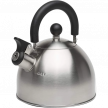
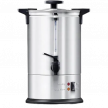

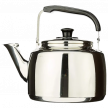
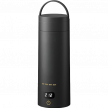
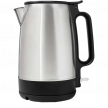
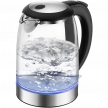
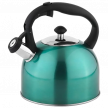


You don’t realize your kettle is too small until you’re boiling water for the third time in one morning. Last Thanksgiving, I watched my 1.5L kettle struggle to keep up with eight people who all wanted something hot to drink – tea, coffee, hot chocolate, you name it. That poor kettle worked overtime and still couldn’t deliver. “Large” kettles fix this, though the definition varies wildly depending on who you ask.
For this guide, I’m defining large kettles as anything 1.7L or bigger, with 2.0L+ being the optimal range for families, offices, or anyone who regularly serves multiple people. And these aren’t just scaled-up versions of standard kettles. Once you pass the 1.7L mark, the engineering changes. You’re dealing with heavier loads, more heat, more water, and completely different safety considerations. Handle design goes from a minor detail to something that genuinely matters.
Capacity: Finding Your Sweet Spot
Bigger capacity sounds better on paper. In practice? Not always. I’ve used kettles from 1.7L up to 2.5L, and there’s a real compromise between holding more water and actually wanting to use the thing daily.
Fill a 2.0L kettle to the top, and you’re lifting over five pounds. That’s heavy. Try doing that before you’ve had coffee. I keep a 2.2L model in my workshop for project days when friends are around, but during a normal week, it sits unused because it’s too much for two people.
Think through your actual usage. Making tea for four people twice a day means 1.8L is perfect. Running an office break room with ten employees calls for 2.0L or bigger. If it’s just you and your partner with occasional guests, then the 1.7L range is probably plenty.
Power Requirements: Why Wattage Matters More in Large Kettles
My engineering background makes me notice when kettle marketing glosses over wattage. This isn’t just another spec to tick off a checklist. It’s what separates a five-minute wait from sitting around for ten minutes getting increasingly irritated.
Water needs a specific amount of energy to reach boiling temperature. Physics doesn’t change based on your kettle model. Double the volume and you’ve doubled the energy requirement. Without proportionally higher wattage, you’re just extending the wait time.
Testing results from my kitchen:
- 1800W or higher – Gets 2.0L boiling in under 6 minutes, totally acceptable for daily use
- 1500-1799W – Takes 7–9 minutes for 2.0L, gets annoying fast if you’re rushed
- Below 1500W – Not worth it for large capacity; you’ll regret it every morning
I bought a 1.7L kettle once that was rated at 1200W. It had a gorgeous stainless steel finish, and the price was right. Took almost 12 minutes to boil when full. I sent it back within a week. Don’t chase good looks over actual performance.
Safety Features: Non-Negotiable for Heavy Kettles
Large kettles need better safety engineering. Not optional. You’re managing way more weight and thermal energy than smaller models deliver.
Handle Design and Stability
The handle is how you control five-plus pounds of nearly boiling water. I won’t compromise on this. You want ergonomic designs with a real grip area and stay-cool technology that actually works, not just heat-resistant plastic that gets “warm instead of hot.”
My current large kettle has a handle that stays completely cool after multiple heating cycles. Wide enough that my whole hand wraps around it comfortably, with a grip texture that prevents slipping. When you’re pouring for a group and your hand starts getting tired, these details matter.
Auto Shut-Off and Boil-Dry Protection
Both should be standard equipment, though they’re doubly important in large kettles sitting on office counters or busy family kitchens. Auto shut-off kills the heating once the water boils. Boil-dry protection cuts power if someone hits the switch on an empty kettle.
I’ve watched what happens when boil-dry protection fails. Heating elements get wrecked, plastic parts warp and melt, and suddenly you’re shopping for a replacement. Good safety features keep the kettle working and prevent genuine fire risks.
Material Construction: Handling the Extra Weight and Heat
Stainless steel gets my vote for large kettles, specifically 304-grade or better. It manages structural stress more reliably, won’t add weird flavors to your water, and you can actually clean it without worrying about scratching softer materials.
Glass kettles look incredible. I’ll admit that. But a full 2.0L glass kettle is both heavy and breakable. Drop it once and you’ve got shattered glass plus boiling water going everywhere. Unless you’re extremely careful and nobody else touches it, skip the glass when you’re buying a large capacity.
BPA-free plastic works fine for the exterior, though I still prefer stainless bodies. Plastic shows wear faster with constant use, and cheaper plastic sometimes picks up odors. You’re spending more on a large kettle anyway. Get materials that’ll hold up.
Keep Warm and Temperature Control: Serving Multiple People
This is where large kettles pull away from standard models. When you’re making drinks for multiple people, nobody needs hot water at the exact same moment.
A keep-warm that holds temperature for 60+ minutes is fantastic in offices or during family breakfast routines. Boil once, and the water stays hot for multiple uses without running another heating cycle. Saves energy and time. I’ve clocked it: re-boiling 2.0L costs another 5–6 minutes every time. Keep-warm eliminates that.
Temperature control also helps when you’re serving different drinks. Green tea wants 175°F, black tea likes 200°F, and French press coffee works best around 195°F. With 5+ preset temperatures, everyone gets their drink made right. It’s not required, but if you’re already buying a large kettle and you care about how your beverages taste, the upgrade pays off.
Water Level Indicators and Visibility
Two-sided viewing windows aren’t a luxury on large kettles. They’re practical. These kettles often sit on counters in shared spaces where people walk up from any direction. I don’t want to grab a heavy kettle just to check the water level.
Illuminated indicators work well in dim areas. My workshop is dark in the early morning, and the back-lit water window shows me exactly how full the kettle is without flipping on all the overhead lights. This seems minor, but it makes a real difference.
Clear markings stop people from overfilling, which becomes dangerous with large volumes. Overfill a 2.0L kettle and you risk boiling water splashing out. Quality indicators show minimum and maximum levels clearly.
Heating Element Design: Maintenance at Scale
Concealed stainless steel heating elements justify their higher cost. I’m adamant about this. Exposed elements collect mineral deposits faster, especially with larger water volumes running through large kettles constantly.
My water is moderately hard. After six months with an exposed-element kettle, the buildup looked terrible. Cleaning meant serious scrubbing with vinegar solutions and a lot of cursing. My current concealed-element model needs descaling every three months with minimal effort. The smooth interior wipes clean without drama.
Durability improves with concealed elements, too. They’re shielded from physical damage, and thermal stress gets distributed differently. If you’re boiling 2.0L several times daily, that engineering makes a measurable difference over years.
Cordless Design and Base Considerations
A 360-degree base is essential for large kettles. You need to lift from any angle without rotating the base. When you’re managing several pounds of hot water, convenience equals safety.
Base stability counts more than people expect. Heavy kettles sitting on unstable bases are accidents waiting to happen. Check reviews specifically for stability issues because cheaper models cut corners here.
Cord length looks trivial until you’re using the kettle every day. I prefer 24–30 inches minimum, which gives you counter placement flexibility without creating a trip hazard. Some models build cord storage into the base, which is a nice touch if you’re short on counter space.
Common Mistakes When Buying Large Kettles
I’ve made most of these mistakes personally or watched others do it:
- Buying for capacity alone – A 2.5L kettle with 1200W will drive you nuts with slow heating every single day.
- Ignoring the handle quality – Cheap handles on heavy kettles aren’t just annoying; they’re unsafe.
- Choosing glass for looks – Aesthetics mean nothing if you’re nervous every time you pour.
- Underestimating counter space – Large kettles take up more room than you expect, so measure first.
What I Wish I’d Known Before Buying
The ideal capacity isn’t the maximum available. It’s whatever you’ll use regularly without the kettle becoming a hassle. My 1.8L gets used twice a day. My 2.2L sees use maybe twice a month.
Counter space fills up faster than you think. Large kettles demand a significant footprint, and you can’t really tuck them into a cabinet if you’re using them constantly. I cleared a dedicated spot before getting my first large-capacity model.
Easy-clean interiors get more important with heavy use. More water means more mineral deposits. A smooth interior saves maintenance time.
Warranty length tells you about the manufacturer’s confidence. Large kettles cost more and get used harder. I no longer buy anything with less than a two-year warranty. Three years is better.
Leading Manufacturers for Large Kettles
Several brands consistently build quality, large-capacity models. Breville makes solid options with excellent temperature control and build quality, though you’ll pay premium prices. Cuisinart offers good mid-range choices with reliable performance. Hamilton Beach provides budget-friendly options that sometimes sacrifice features but hold up well for basic use.
For general brand comparisons, see our main guide with detailed breakdowns of each manufacturer’s approach.
Which Large Kettle Is Right for You?
Start with how you’ll actually use it. A family of four to six benefits from 1.8–1.9L models with 1800W or more and reliable keep-warm functions. Office environments with ten or more people should look at 2.0L+ kettles with durable stainless steel builds and longer warranties.
Match features to what you actually care about. If you just need hot water fast, focus on wattage and capacity. Skip the temperature control and fancy displays. If you prepare several types of drinks, temperature control and longer keep-warm times are worth the upgrade.
Budget impacts your options less than you’d expect. The gap between a $50 large kettle and an $80 one usually comes down to safety features and how long it lasts. I’d rather pay more upfront than replace a cheap model every 18 months. Do the math on the cost per year of reliable use.
My engineering take: choose the smallest capacity that handles your daily needs, the highest wattage you can afford, the best handle design you can find, and concealed heating elements. That combination gives you the best long-term value.