
 Ice Makers
 Chairs
 Kettles
 Projectors
 Air Purifiers
 Dash Cams
 Headphones
 Smartwatches
 Blenders
 Humidifiers
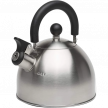
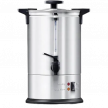

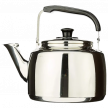
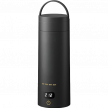
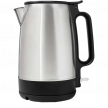
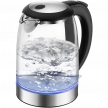
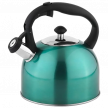


My engineering background taught me one thing: small design decisions determine whether a product lasts two years or ten. Kettles are no different, though most people only learn that after buying the wrong one. A cheap kettle might look fine at first, but months later, you’re scraping scale off an exposed heating element, dealing with cracked plastic, or realizing your kettle never shuts off. I’ve seen too many kettles fail right around the one-year mark – because many are built to do exactly that.
A well-designed kettle should heat water quickly, use energy efficiently, and last for years without creating safety risks. A poor one wastes time, drives up your power bill, and can be downright dangerous. The difference lies in features that rarely get mentioned in marketing copy.
In this guide, I’ll break down the specs that truly affect performance, safety, and lifespan – so you can choose a kettle that works reliably for years, not just looks good on your countertop.
How I Evaluate Kettles: My Scoring Framework
I don’t treat all features equally when I rate kettles. Some determine whether your kettle becomes a long-term kitchen tool or a safety hazard that dies in a year. Others just make your life slightly more convenient.
My approach cuts through marketing language. Companies love to emphasize pretty designs or minor extras while downplaying durability. I focus on the essentials first – safety, heating elements, and materials. Convenience features only matter once those fundamentals are right.
1. Safety Comes First
I always start with safety. Features like auto shut-off and boil-dry protection stop overheating, breakdowns, and even fires. Without them, a kettle can keep heating long after the water boils, damaging your countertop or worse. Saving twenty bucks by skipping these isn’t worth the risk – I’ve seen the damage when those safeguards are missing.
2. Heating Element Design
Heating element design matters just as much. Concealed stainless steel elements outlast exposed ones and resist mineral buildup better. Exposed coils collect scale faster, need constant scraping, and fail earlier. How often you’ll need to descale, and how long the kettle will last, traces directly back to this detail.
3. Performance and Build Quality
This is where the best electric kettles stand apart from budget options. Temperature control helps you brew tea or coffee at precise heat levels. Higher wattage boils water faster; good models take under five minutes, while weaker ones can take nearly twice as long. Body materials also matter: stainless steel or glass keeps the water tasting clean and avoids the wear that comes with cheap plastics.
4. Everyday Convenience
Once the fundamentals are right, convenience features can elevate everyday use. Capacity affects how much water you can heat at once. A keep-warm function saves you from repeated boiling. Clear water-level indicators prevent overfilling, and a cordless base makes pouring easier. A longer warranty is another quiet sign of quality, it shows the manufacturer expects the kettle to last.
Understanding Kettle Types: An Overview
You’re choosing between two basic options: electric or stovetop. Everything else builds on these foundations. I’ll tackle specific features and considerations for each kettle type in separate mini-guides. Once you understand these core categories, it’s easier to identify what truly sets the best kettles apart.
Electric Kettles
Electric kettles heat water through an internal element and plug directly into a wall outlet. They typically boil in three to five minutes, depending on wattage, and most switch off automatically when the water’s ready. They’re efficient, safe, and ideal for everyday use.
Stovetop Kettles
Stovetop kettles rest directly on your burner, whether gas or electric. You don’t need an outlet, which makes them great for small kitchens or during power outages. Whistling models signal when water’s boiling, but you’ll have to turn off the heat yourself. They take longer and need monitoring, yet many people prefer them for their classic look and simplicity.
Bonus: Specialty Kettle Types
Beyond standard electric and stovetop models, several specialty kettle types cater to specific needs and preferences:
- Gooseneck kettles. Offer precise pour control, making them the top choice for pour-over coffee and manual brewing methods.
- Ceramic kettles. Attractive and durable, but require gentler handling to avoid cracking or chipping.
- Copper kettles. Heat quickly and add a classic look to your kitchen, though they need regular polishing to maintain their shine.
- Commercial kettles. Built for heavy-duty use, ideal for offices, cafés, or frequent large-batch boiling.
- Compact travel kettles. Lightweight and space-saving, perfect for small kitchens, dorms, or on-the-go use.
Your choice should match your daily habits. If you drink tea throughout the day, a cordless electric kettle with a keep-warm function fits best. Boil water only occasionally or have limited counter space? A compact stovetop model will do. Serious about pour-over coffee? A gooseneck kettle gives you the control you need.
Safety Features: Non-Negotiable Priorities
Safety matters most to me because it determines whether your kettle quietly does its job or turns into a fire hazard. Two features top the list: auto shut-off and boil-dry protection.
Auto Shut-Off and Boil-Dry Protection Explained
Auto shut-off cuts power once the water reaches boiling. The kettle detects steam or heat and trips a switch. No babysitting required.
Boil-dry protection shuts down the heating element when the water level gets too low or the kettle is empty. Accidentally turn it on without water or let it boil off? This feature prevents the element from overheating and damaging itself.
Without boil-dry protection, elements can reach extreme temperatures, warping, cracking, or failing entirely. I’ve seen plenty burn out this way. Most modern electric kettles include both safeguards as standard, while stovetop models have neither, which is why they demand more attention. If you’re shopping for an electric model and it’s missing auto shut-off or boil-dry protection, skip it. What you save upfront won’t cover what could go wrong later.
What Happens When Safety Features Are Missing
Too many friends have told me about kettles boiling dry while they grabbed a phone call or ran an errand. Without boil-dry protection, the element keeps heating until plastic or rubber components start melting. You smell it first, then realize what’s happened and see the damage. Best outcome: you need a new kettle. Worst outcome: melted plastic welded to your countertop or a kitchen fire.
Failed auto shut-offs cause similar problems. Kettles that keep boiling eventually run dry, triggering the same chain of events. Cheap models with poor quality control fail more often because their shut-off switches degrade or jam over time. When that happens, you’re left with a kettle that simply won’t quit heating.
I treat these features like circuit breakers: you rarely notice them working, but when something goes wrong, they’re your only real protection.
Safety Certifications to Look For
Before buying, check for ETL or UL certification marks on any electric kettle. These indicate that the product passed independent safety testing for insulation, grounding, and automatic shut-off systems.
Kettles made for European markets typically display a CE mark, which ensures basic compliance, though it’s not as rigorous as UL certification. If you’re browsing online and find a kettle from an unknown brand with no certification marks at all, that’s a major red flag. Reputable manufacturers test their products and print certification labels clearly on the packaging or the kettle base.
Even large retail platforms occasionally list uncertified kettles, especially from overseas sellers. Spend a few seconds checking the product page or the base of the kettle for those marks. It’s the quickest way to confirm that what you’re buying meets real safety standards for electric kettles.
Heating Elements: The Foundation of Performance
A kettle’s heating element determines how fast it boils, how long it lasts, and how often you’ll need to clean it.
Concealed heating elements sit flush beneath a smooth stainless steel surface. Exposed elements look like coiled wires submerged in water, and that design invites trouble. Concealed elements prevent mineral deposits from collecting on the coil, making cleaning easier and extending the element’s lifespan.
When calcium and limescale build up on an exposed element, efficiency drops fast. The coil has to work harder to heat the same amount of water, and the strain leads to premature failure.
Steel grade matters too. Grade 304 stainless steel resists rust and avoids metallic flavors. Cheaper kettles often use thin coatings or lower-grade metals that corrode or leach taste into your water over time.
I rate heating elements right alongside safety features because poor construction can shorten a kettle’s life to a year or two. Quality concealed elements, by contrast, can run five years or more with basic maintenance. Since the element is the one component you can’t replace easily, it’s worth choosing wisely from the start.
Temperature Control: Precision vs. Simplicity
Variable temperature control lets you fine-tune heat for specific drinks, which is typically anywhere between 160°F and 212°F (70°C–100°C).
- Green tea scalds at boiling temperatures and does best around 175°F (80°C)
- Pour-over coffee extracts best between 195–205°F (90–96°C)
- Infant formula requires cooled, safe water around 158°F (70°C)
Kettles with five or more presets offer the greatest flexibility. Models with three to four cover most tea and coffee routines. Single-temperature kettles that include a keep-warm function suit anyone who mainly boils water for general use.
That said, most people don’t need variable temperature control. If you mostly make instant coffee, basic tea, or cook with hot water, a simple boil-only kettle performs just as well and costs less. The key is matching the feature to your habits and not paying extra for buttons you’ll never press.
Power and Speed: Wattage Explained
Wattage controls how your kettle brings water to a boil, and those minutes add up fast in daily use.
How Wattage Affects Boiling Time
- 1500W kettles boil 1.5–1.7L in about 4–5 minutes
- 1200W models need 6–7 minutes
- 1000W takes 8–10 minutes
- Anything below 1000W can take even longer
These times assume room-temperature water and a full kettle. The gap between 1500W and 1000W might not look huge, but boiling twice a day adds 6–8 minutes of waiting daily, which adds up to more than 40 hours over a year. Slow kettles frustrate users and often waste more energy overall, since people tend to leave them running longer.
Matching Power to Your Usage Patterns
Higher wattage draws more power per minute but finishes faster, so it often uses less electricity overall. A 1500W kettle running for 4 minutes consumes less energy than a 1000W kettle running for 10. Faster boiling also means less heat lost to the air.
For most households, 1500W or higher suits standard 1.5–1.7L kettles. Lower wattage only makes sense if:
- You use a smaller kettle (1.0L or less), where 1200W is enough
- Your electrical circuit can’t support a 1500W draw (rare but possible in older homes)
- You need a travel kettle that prioritizes portability over speed
- You only boil small amounts occasionally and don’t mind waiting longer
Build Quality: Materials That Matter
A kettle’s material affects taste, durability, and maintenance.
Grade 304 stainless steel is the benchmark. It’s rust-resistant, non-reactive, and free from metallic flavors. Cheaper steels or thin coatings may corrode, pit, or leach a metallic taste over time, especially around welds.
Borosilicate glass kettles look elegant and let you see the water level at a glance. They resist heat well but can crack if dropped or knocked against the sink.
BPA-free plastic models are lighter and usually cheaper. Quality plastics hold up fine, but low-cost ones can warp or leach chemicals when repeatedly exposed to heat. Always confirm BPA-free labeling before buying.
Choosing the right material is about balance: stainless steel for longevity, glass for aesthetics, and plastic for portability and cost.
Capacity: Finding Your Right Size
Kettles range from compact 1.0L models for solo use to 2.0L options designed for families or entertaining. A 1.7L kettle, which holds roughly six to seven cups, fits most household needs without requiring multiple batches throughout the day. Smaller 1.0–1.4L kettles work well for one or two people, while 1.7–2.0L versions suit four or more.
Bigger isn’t always better, though. Heating water you won’t use wastes both time and energy. If you only make a single morning coffee, filling a 2.0L kettle means heating 1.5L of water that will be unused. Match the kettle’s capacity to your real usage pattern, not your theoretical maximum. You’ll save both electricity and frustration across years of use.
Visibility and Usability: Water Level Indicators
Clear water level visibility prevents the two most frequent kettle mistakes: overfilling and underfilling. Overfilling wastes electricity by heating more water than you need, while underfilling means multiple boil cycles when you realize there isn’t enough for everyone’s drinks.
Good designs display cups or liter markings clearly on at least one side of the kettle. The best kettles have dual-sided indicators, letting you check from either direction whether you’re right- or left-handed. Poor visibility, faint markings, hidden windows, or awkward placement behind the handle make accurate filling nearly impossible.
Illuminated vs. Standard Markings
Illuminated indicators glow when the kettle heats, which helps dim kitchens or early mornings before you’ve turned on the lights. Standard markings work fine if your space is well lit and you mainly boil during the day.
Expect to pay around $15–$25 extra for illumination. It’s worthwhile if you often brew before dawn or struggle to see small markings. If your kitchen lighting is good and your budget’s tight, you can skip it since the function is purely visual.
Convenience Features Worth Considering
Extra features won’t determine how long your kettle lasts, but they can make daily use simpler. Focus on those that genuinely match your habits.
Keep-Warm Function
Keep-warm holds temp for 20–30 minutes without another full boil. This feature conserves energy when making several cups close together or getting interrupted. Skip it if you boil once and finish your drink, or don’t mind restarting. It maintains water around 160–175°F. This works for tea and instant coffee, just cooler than fresh boiling. Some let you adjust the temp, others stick to one setting.
Cordless Design with 360° Base
Cordless kettles lift off a powered base. You grab it, pour, and set it back down with no cord wrestling. The 360° base lets you place it any which way instead of lining up a slot. This matters more than you’d think at 6 am when you need coffee. Left-handed users love this design since most corded kettles favor right-handed users.
Lid Opening and Filling
A push-button lid pops open with one hand for easy filling. Lever-style lids need two hands but tend to seal more tightly, while manual lift lids are simple but awkward when the kettle’s full. Look for a wide mouth for faster filling and easier cleaning, especially in hard-water areas where mineral buildup is common.
Real Value vs. Marketing Noise
Some convenience features solve genuine problems. Others are mostly buzzwords. How can you tell which is which?
Warranty: The Manufacturer’s Confidence Signal
A kettle’s warranty reflects how much confidence the manufacturer has in its own product. Kettle companies offering three years or more of coverage usually test their models thoroughly and expect them to last. Brands providing only one year or no warranty are signaling that they don’t trust their build quality beyond the bare legal minimum.
Your kettle’s warranty affects your true cost of ownership more than the initial price tag. A $60 kettle with a 3-year warranty costs about $20 per year if it lasts that long. A $40 kettle with a 1-year warranty that fails after 13 months effectively costs you $40 per year and ultimately sends you back to the store.
Always read warranty terms closely. Some manufacturers exclude key components like heating elements or cover only manufacturing defects rather than normal wear and tear. These loopholes let them reject claims for issues that should be covered.
Common Mistakes People Make When Buying Kettles
I see the same buying mistakes repeatedly. They all lead to frustration or premature replacement.
- Prioritizing appearance over element type and safety features. Sleek design doesn’t matter when the exposed element fails or lacks boil-dry protection.
- Ignoring material quality. Low-grade plastic or steel often means rust, leaks, or cracks within two years.
- Choosing capacity for rare occasions. Oversized kettles waste time and energy heating unused water.
- Overlooking warranty coverage and brand reputation. Unknown brands with no warranty often provide no support or spare parts.
- Assuming all stainless steel is equal. Unspecified grades typically signal inferior metal that rusts within a year. Always check for Grade 304 stainless steel or equivalent in the specs.
- Focusing on wattage alone. A powerful kettle with too-large capacity still boils slowly.
Leading Kettle Manufacturers: What Sets Them Apart
Brands build reputations over years through consistent quality, warranty support, and customer satisfaction. Here’s how major names compare.
Premium Performance Brands
- Breville – Known for precise temperature control, high-quality materials, and thoughtful touches like soft-opening lids. More expensive upfront but backed by strong warranties and reliable service.
- Fellow – Specializes in gooseneck kettles for pour-over coffee. Offers exceptional temperature precision and premium build quality—worth it for serious coffee drinkers.
Reliable Mid-Range Options
- Cuisinart – Delivers solid performance at a fair price. Stainless steel construction, variable temps, and 3-year warranties are standard.
- OXO – Focuses on comfort and usability with ergonomic handles, clear water windows, and simple controls. Ideal for everyday use without fuss.
Both hit a sweet spot on quality and price for buyers wanting durability without premium features they won’t use.
Budget-Friendly Choices
- Hamilton Beach – Basic and affordable. Lacks extras like temp control, but heats quickly and costs about half as much as mid-range models. Expect shorter (1-year) warranties.
- KitchenAid – Combines solid performance with design appeal. Multiple color options help match your kitchen décor, though prices sit toward the higher end of “budget.”
Brand Positioning Summary
Maintenance and Longevity
Proper care determines whether your kettle lasts two years or seven. Routine descaling and simple habits keep the heating element efficient and prevent mineral buildup.
Descaling Basics
Mineral deposits form from repeated heating, especially in hard water areas. Plan to descale every 1–3 months, depending on water hardness:
- Hard water: Descale monthly
- Soft water: Every three months is usually enough
How to descale:
- Mix equal parts white vinegar and water.
- Fill the kettle halfway.
- Boil, then let it sit for 15–20 minutes.
- Rinse three times to remove any vinegar odor.
Warning Signs of Buildup
- Sluggish heating: Mineral coating on the element reduces efficiency.
- Off tastes: Deposits are contaminating your water.
- Visible scaling: You’ve waited too long between cleanings.
If your kettle stops heating or trips breakers, it’s beyond repair and needs to be replaced.
Simple Habits for Longer Life
- Empty the kettle after each use instead of letting water sit.
- Wipe the exterior weekly to prevent grime buildup.
- Descale on schedule before deposits harden into damaging layers.
These small habits extend your kettle’s lifespan and preserve consistent performance.
Which Kettle Is Right for You?
Begin with safety and heating elements since these features control longevity and risk. Then trace backward from your daily routine to identify which performance features genuinely matter.
- Prepare different tea varieties or pour-over coffee daily? Go for variable temperature control.
- Just need boiling water for instant coffee or cooking? Focus on build quality, wattage, and capacity instead.
You won’t find a perfect kettle that satisfies every requirement at your ideal price. Rank what matters most and acknowledge trade-offs on the remainder.
For most homes:
- Cordless design with 360° base enhances daily usability far more than interior LED lighting.
- A 3-year warranty safeguards you better than an additional color choice.
Choose a kettle that fits how you actually use it over one packed with features you’ll never touch.