
 Ice Makers
 Chairs
 Kettles
 Projectors
 Air Purifiers
 Dash Cams
 Headphones
 Smartwatches
 Blenders
 Humidifiers
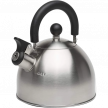
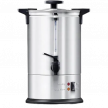

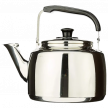
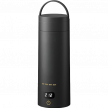
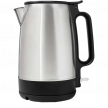
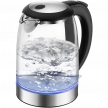
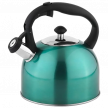


When I first saw a steamer kettle, my reaction was skeptical. Another kitchen gadget that probably does everything badly, right? Then I used one for a week. It turns out that an electric kettle base paired with stackable steaming baskets is extremely practical, especially in small kitchens or for anyone who wants hands-off steaming without juggling multiple pots.
Water heats up in the base, steam climbs through the stacked tiers, and food cooks evenly. Don’t confuse these with standalone steamers or those bamboo baskets at dim sum places. If you steam vegetables, fish, or dumplings several times a week, the format is worth the counter space.
Steaming Capacity: How Many Tiers Do You Need?
Tier count is your first choice, and people screw this up constantly. With three tiers, I can stack a complete meal at once: vegetables on the bottom, protein in the middle, and rice or dumplings on top. Two tiers handle couples or small households. Single-tier models exist, but you’re better off just using a regular pot with a steamer insert at that point.
What I’ve learned from use: tier count isn’t just about quantity. Tuesday night, I threw broccoli on the bottom tier, salmon in the middle, and leftover rice up top. It was done in 15 minutes. One tier forces you into multiple batches, turning a 15-minute meal into a 45-minute process. More tiers require more storage space, so small kitchens need to weigh convenience against footprint. You need to decide if the convenience justifies the room it takes up. For me, it does.
Water Capacity and Runtime
Reservoir size directly determines how long you can steam without interruption. Models with 1.5 liters or more will run for 45+ minutes continuously. That’s enough for most steaming tasks without babysitting the water level. Anything below 0.7L becomes frustrating fast because you’ll need to refill mid-cook, which drops the temperature and extends cooking time.
I found this out the annoying way with a 0.8L unit. With a full load of vegetables and dumplings I ended up topping up the reservoir every 20 minutes with my regular kettle until everything was cooked thoroughly. This completely defeated the hands-off appeal. Now I won’t consider anything under 1.2L, and I strongly prefer 1.5L+ for family-sized meals.
Power and Heat-Up Speed
Wattage controls how quickly your steamer reaches temperature and how efficiently it maintains steam output. A 1000W unit hits steaming temperature in under three minutes. Models at 600-799W take six to eight minutes, and they struggle to maintain a steady stream across three tiers.
Basic heat transfer principles here: you’re boiling water continuously while losing heat through all those tiers. Underpowered units lose that battle.
Steamer Basket Material and Construction
What the baskets are made from determines food safety, longevity, and whether cleaning becomes a chore you’ll dread.
- Stainless Steel (304 Grade). This is what sits on my counter at home. It won’t leach anything into your food, it’s almost impossible to damage, and 304-grade stainless resists corrosion. If a brand won’t specify the steel grade, that’s a red flag.
- BPA-Free Plastic. If your budget is tight, BPA-free plastic works, but it comes with tradeoffs. “BPA-free” only removes one compound; plastic still stains, warps, and I don’t love the idea of hot steam passing through it meal after meal. I would say it’s suitable for light, occasional use, but not something I’d depend on for years.
- Bamboo and Other Natural Fibers. Traditional bamboo looks beautiful and handles dumplings well, but they are more demanding to care for. Bamboo needs thorough drying, or bacteria grows, and dishwashers will destroy them. Nice aesthetic, sure, but too much hassle for my routine.
Safety Features You Shouldn’t Skip
Auto shut-off and boil-dry protection aren’t negotiable. Period. Auto shut-off kills power when you run out of water, preventing element damage and potential fires. Boil-dry protection jumps in when levels get too low.
My HVAC background makes me hyperaware of thermal safety systems. I’ve seen what happens when heating elements run uncontrolled. Not dramatic or explosive, but expensive and occasionally dangerous. These safety features cost manufacturers maybe $2 in components. Brands that skip them to hit a price point tells you a lot about how they operate.
Timer Functions and Convenience Features
Digital timers with automatic shut-off changed how I use my steamer kettle. Set the time, walk away, and come back to perfectly cooked food. No monitoring required. Manual dial timers require you to remember to check them. No timer at all means you’re stuck watching the clock or setting your phone alarm like some kind of caveman.
Keep warm functions sound appealing, but I’ve found them disappointing in practice. Most steamers don’t maintain ideal temperature, so food quality drops if it sits too long. I’d rather just time things correctly.
Water level indicators deserve more attention than they get. Clear external markings with clear min/max lines let you see at a glance whether you need to add water. Transparent reservoirs are even better because you can watch the level in real time. Internal markings are the worst since they force you to open the unit and disrupt cooking. If you can’t see the water level clearly, you’ll eventually guess wrong, run it dry mid-steam, and let the safety shutoff ruin your meal.
Build Quality and Longevity
Base and Body Materials
Stainless steel bodies last longest, but you’ll pay more. High-grade BPA-free plastic can be fine if the manufacturer didn’t cheap out on materials, which is impossible to verify before buying. Glass is pretty, but heavy and breakable. Standard low-grade plastic degrades with repeated heat exposure and starts looking shabby within a year.
Warranty Length as a Quality Signal
A two-year warranty signals the manufacturer expects the appliance to last. One year tells me nothing; that’s just the industry minimum. Anything less, or no warranty at all, and I’m walking away. Steamer kettles have more ways to fail than basic kettles: electrical bits, steam channels, rubber gaskets, and timer mechanisms. A longer warranty usually means longer life.
Practical Design Details
Cord storage seems trivial until you’re staring at a messy counter. Built-in cord wraps or storage compartments reduce clutter and protect the cord from damage. My steamer kettle sits next to my robot vacuum’s dock, so managing cables matters. Steamer kettles are bulky, so any design feature that keeps the area tidy is a plus.
Accessories and Specialized Features
Rice bowls, egg trays, and drip trays show up as included accessories with many steamer kettles. Rice bowls help if you make rice often, though they’re just small containers that nest in the tiers. Egg trays simplify hard-boiled eggs. Drip trays catch condensation so flavors don’t mix between tiers.
None of these are essential, though. Six specialized inserts don’t justify paying 40% more. Get the core features right first. The fancy extras will sit in a drawer after the second use.
Common Mistakes To Avoid
Here are the mistakes I see most often – and the ones you’ll want to avoid from the start:
- Choosing too little capacity. Capacity is where most people mess up. Buying too small is the classic mistake – a two-tier unit seems fine until you’re feeding four people and cooking in shifts.
- Underestimating wattage. Saving $25 on an 800W unit costs you that much in wasted time and frustration within the first year.
- Skipping essential safety features. Auto shut-off matters no matter how confident you are with appliances. After years in engineering, I can promise you that “I’ll remember to turn it off” is not a real plan and doesn’t work in the long-term.
- Prioritizing aesthetics over durability. This is a complete trap. That pretty colored plastic will look awful after six months of staining and heat exposure.
- Misjudging your real cooking needs. My rule of thumb: cooking for more than two people regularly means getting three tiers. Daily cooking means don’t compromise on wattage. And if a listing doesn’t explicitly mention auto shut-off and boil-dry protection, assume it doesn’t have them and move on.
Leading Brands and What Sets Them Apart
The steamer kettle market isn’t as crowded as standard electric kettles, but you’ll still see names like Hamilton Beach, Oster, Aroma, and a dozen Chinese brands on Amazon. Hamilton Beach tends toward mid-range pricing with decent build quality. Oster competes in the same space. Aroma specializes in rice cookers but makes competent steamers.
For general brand considerations and detailed manufacturer comparisons, see our main kettle buyer’s guide. The bottom line is: specs trump brand names in this category. A generic brand with 1200W, stainless baskets, and real safety features is a better buy than a household name with 700W and plastic construction.
Which Steamer Kettle Is Right for You?
Match capacity to household size, then prioritize power and safety. If you’re cooking for one or two people, a two-tier kettle with a 1.2L reservoir and 1000W power is usually sufficient. For feeding four or more, aim for three tiers with at least 1.5L capacity and ideally 1200W for consistent performance.
Buy for how you cook now, not how you wish you cooked. If you steam vegetables just a couple of times per month, a mid-range unit will do – use it for six months and upgrade only if you find yourself limited. If you steam several times a week, investing in adequate power and capacity from the start makes sense, since your frequent use justifies the cost.
Auto shut-off and boil-dry protection are non-negotiable features for me. Digital timers, keep warm modes, and other accessories are nice to have but secondary. Get the safety features and the right capacity first. Add bells and whistles only if your budget allows.