
 Ice Makers
 Chairs
 Kettles
 Projectors
 Air Purifiers
 Dash Cams
 Headphones
 Smartwatches
 Blenders
 Humidifiers
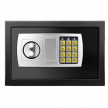
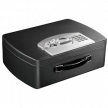
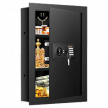
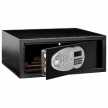
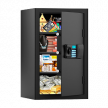
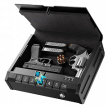
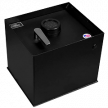
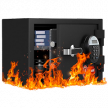


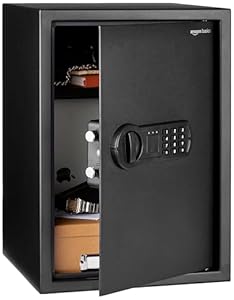


As an engineer and homeowner, I’ve learned that protecting valuables goes beyond just locking your front door. After researching home security and living with multiple safes, I can tell you that a dedicated jewelry safe offers protection that a drawer, jewelry box, or even a basic lockbox simply can’t match.
Most break-ins last just 8–10 minutes, which means thieves focus on easy, obvious targets, and jewelry is always near the top of that list.
Our main home safe buyer’s guide tackles the big picture of residential security. Here, I’ll focus on what matters when choosing a jewelry safe, like fire protection, lock types, interior design, and installation, so you can protect your collection properly without overpaying for features you don’t need.
Fire Protection Ratings Explained: What Your Jewelry Really Needs
When I bought my first fire safe, I assumed all fire ratings were created equal, that turned out to be costly misconception.
Fire protection for jewelry is more demanding than for paper documents because prolonged heat causes damage long before metals melt. While document safes are designed to keep interior temperatures below 350°F, gemstones, adhesives, solder joints, and delicate settings can suffer permanent damage well below that level, especially during extended exposure.
In real house fires, temperatures rise quickly and often remain elevated for hours. This means both temperature and duration matter. Basic fire safes may protect paperwork, but they often fall short when it comes to preserving valuable jewelry.
My portable fire safe claims basic fire resistance, but after researching real testing standards, I realized it would likely protect documents, not expensive jewelry, in a serious house fire. Learn more about fire safes from our guide.
Understanding UL Fire Ratings for Jewelry Protection
The UL (Underwriters Laboratories) ratings give you the real story about what your safe can actually withstand. UL ratings are based on standardized furnace testing that simulates real fire conditions, including sustained heat exposure and controlled cooldown periods.These tests show not just how hot the inside gets, but how long a safe can maintain protective temperatures.
Here’s what the ratings mean for jewelry protection:
- UL Class 350 (1 hour): Interior stays below 350°F for one hour. Designed to protect paper but insufficient for most jewelry.
- UL Class 350 (2 hour): Interior stays below 350°F for two hours. Minimum recommended level for protecting valuable jewelry.
- UL Class 150 (1–2 hours): Interior stays below 150°F. Best protection for jewelry, electronics, and sensitive valuables.
If your jewelry has real financial or sentimental value, avoid basic fire boxes and look for at least a UL Class 350 two-hour rating, or ideally UL Class 150 for maximum protection.
UL ratings cost more upfront but save money long-term when you consider replacement costs. My combination safe lacks any UL certification, which I regret every time I think about the wedding rings stored inside during our vacations.
Choosing the Right Lock Type for Daily Use and Long-Term Reliability
After years of fumbling with my combination dial in dim light and worrying about lost keys, I’ve developed strong opinions about lock mechanisms. Each mechanism comes with trade-offs you won’t appreciate until you’ve lived with them daily. What drives you crazy might not bother someone else at all.
Mechanical Combination Locks
My 80-pound safe uses a traditional three-number combination dial, and while it’s taught me patience, it’s also shown me this lock type’s reliability. Zero batteries, no electronics, no keys to misplace. Mechanical locks keep working during power outages, storms, and years of neglect.
The downside is convenience. Dialing combinations takes time and patience, especially in dim light or when you’re rushed. Changing combinations is also complicated enough that many owners never bother.
? Best for: Anyone who prioritizes maximum reliability and long-term durability over speed and convenience.
Key Locks
My portable safe uses a simple key lock, which I chose for quick access during emergencies. Keys work fast – insert, turn, done – and there’s something reassuring about the mechanical simplicity. Problems surface immediately: I’ve already had to make backup keys after nearly losing the originals, and I constantly worry about someone duplicating them.
Plus, keys offer minimal security against determined thieves who know basic lock-picking techniques.
? Best for: Secondary safes, travel safes, or document storage, where speed matters more than maximum theft resistance.
Digital and Biometric Locks
I haven’t owned either type, but my research shows you’re trading convenience for complexity. Digital locks let you program multiple codes and change them easily, something I wish I could do with my combination unit.
Biometric locks sell themselves as the ultimate convenience, your finger opens the door. But digital and biometric locks need batteries that die at terrible times, and electronic parts break in ways mechanical systems don’t. Users complain about biometric readers that won’t recognize dirty, wet, or aging fingerprints.
? Best for: Users who prioritize speed and daily convenience, and are comfortable maintaining batteries and electronics.
For a deeper dive into biometric systems, see our article on biometric security.
Jewelry-Specific Storage Features That Prevent Damage and Frustration
Security keeps thieves out, but interior design protects your jewelry from everyday damage.
Interior Organization Options
Dumping jewelry into an empty safe creates instant chaos. Chains tangle, stones rub together, and scratches happen fast.
Good jewelry safes solve this with compartments, ring slots, necklace hooks, divided trays, and adjustable compartments. These features prevent tangling, reduce abrasion, and make it easier to find specific pieces quickly. My combination unit came with basic shelving that works for bigger stuff, but I ended up buying small containers to organize rings and earrings properly.
Lined Interiors and Scratch Prevention
Bare steel interiors scratch jewelry. I learned this the hard way when a watch acquired permanent scuffs. Quality jewelry safes come with velvet or felt lining that protects jewelry from metal contact and scratching.
The lining should come out for cleaning since dust builds up over time – my fixed shelves make this impossible.
Matching Features to Your Collection
What you actually own dictates storage needs, not what looks impressive in product photos.
- Watch collections benefit from padded watch slots
- Ring collections need multiple ring rolls
- Long necklaces require vertical clearance and hooks
My modest collection fits my basic setup, but friends with extensive jewelry complain about safes that looked perfect online but couldn’t accommodate their specific pieces in real life. Jewelry spreads horizontally, not vertically, so width often matters more than height.
Size, Weight, and Portability: Finding the Right Balance
Space planning for a safe involves more than measuring your jewelry collection. You’re balancing security, accessibility, and practicality. My 80-pound combination safe sits exactly where the delivery team placed it, because moving it requires planning and help.
The weight stops thieves from carrying it off, but I’m stuck with wherever I first put it. My 15-pound fire safe, on the other hand, moves around easily, which is convenient, but also means a thief could simply grab it.
Portable safes trade security for flexibility. Thieves know this and often steal portable safes and crack them open later in private. For most people, the sweet spot is a safe heavy enough to discourage casual theft, but manageable enough to reposition it when rearranging furniture or moving homes.
If concealment matters, our guide on where to hide a safe offers practical placement strategies.
Mounting and Installation Options
Most safes include pre-drilled mounting holes for a good reason. Bolting down your safe dramatically improves security. My safes remain unanchored, which I admit represents a security compromise I made due to my own reluctance to drill into my floors and commit to permanent placement.
Anchoring prevents thieves from tipping, prying, or carrying your safe away. It also prevents tipping accidents during earthquakes or aggressive break-in attempts.
I admit both of my safes remain unanchored, a compromise driven by reluctance to drill into floors. From a pure security standpoint, this was a mistake.
Common mounting methods include:
- Floor anchoring: Most secure, especially into concrete slabs
- Wall mounting: Works for smaller safes, saves floor space
- Inside closets: Adds concealment while allowing anchoring
- Basement installation: Maximizes security, reduces accessibility
If you’re planning installation, see our article on installing a safe.
Build Quality and Steel Thickness: What Actually Stops Thieves
Security depends far more on steel thickness and overall construction than on flashy features or electronic extras. Most real-world break-ins rely on pry bars, drills, and angle grinders, not Hollywood-style explosives. Build quality determines how long a safe can resist those attacks.
Thin steel bends, drills easily, and fails quickly under leverage. My portable fire safe prioritizes light weight over steel thickness, which makes it convenient for documents and travel, but a poor choice for serious jewelry protection.
Maintenance Tips That Prevent Lockouts and Damage
Regular maintenance prevents major frustrations later.
- Electronic locks: Replace batteries twice yearly before they fail – dead batteries trap you outside your own safe until you find the override key.
- Combination locks: Apply graphite to the dial and bolts annually to prevent the sticky, frustrating operation I deal with on my combination safe.
- Interior liners: Check fabric or velvet lining for rips, wear, or dust buildup that scratches jewelry, replacing it when protection degrades.
Keep your purchase records, serial numbers, and manufacturer contact details stored somewhere separate and secure, so you can access them quickly if you ever need warranty service, replacement keys, or technical support.
Budgeting for Your Jewelry Safe: What You’re Really Paying For
Price ranges vary dramatically based on features that actually matter versus marketing gimmicks that sound impressive but add little real value.
- Basic fire safes with key locks: $50–$150
- Mid-range mechanical or digital safes: $200–$500
- UL-rated fire safes with premium steel: $500–$1,000+
Your personal collection value should guide your investment, but don’t forget to factor in replacement hassle and sentimental value that insurance can’t cover. A $500 safe protecting $5,000 in jewelry makes financial sense, but even modest collections justify spending more for peace of mind and convenience features you’ll use daily. Buying slightly more protection than you need today avoids expensive upgrades later as collections grow.
Making the Right Final Choice
The best jewelry safe is the one that fits your actual habits and security risks.
Here’s what I’d recommend asking yourself:
- Will you access it daily or monthly?
- Do you value speed or mechanical reliability more?
- Is fire protection a priority where you live?
- Will you anchor it permanently?
Flashy features fade quickly. Daily usability, reliable protection, and build quality matter long after the novelty wears off. If you’re securing especially valuable items or planning complex installations, professional guidance is worth the cost. They spot vulnerabilities most buyers overlook. Focus on quality, reliability, and appropriate protection levels.