




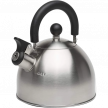



I used to think compact kettles were just gimmicky versions of “real” kettles. Then I tried one in my home office and realized how wrong I was. Heating 1.7 liters of water when you want a single cup is wasteful and slow.
Small kettles (typically 0.5–1.2L capacity) aren’t just for college dorms anymore. Solo coffee drinkers, couples who don’t always drink hot beverages together, RV owners, frequent travelers, and anyone working from a home office; these are the people who benefit most. Mine lives permanently on my desk.
The tradeoffs are real, though. You can’t make tea for a dinner party with these, but they heat up quicker, save counter space, and cost less to run each time.
Understanding Capacity: Finding Your Sweet Spot
So what do these capacities actually mean? A 0.5L model holds two teacups – or one big mug plus a small one. A 1.0L kettle makes roughly four cups, enough for a couple rounds. A 1.2L kettle makes roughly five cups, approaching standard kettle territory.
The 1.0–1.2L range hits the sweet spot. That’s enough for two people having coffee together or one person making multiple cups throughout the morning without constant refills. Drop below 0.7L, and the limitations become obvious unless you’re making only single servings.
The smallest models (0.5–0.6L) have their place if you’re packing for trips or working with almost no space. The problem is, you end up refilling constantly. That half-minute you saved on boil time gets wasted when you’re heating water twice as often.
Safety Features: Non-Negotiables in Compact Design
Working in engineering taught me something about thermal systems: the smaller the water mass, the faster things can go wrong. Less water evaporates quicker, temperatures spike faster, and you’ve got less thermal buffer when something fails. All that to say, safety features are essential.
Auto Shut-Off
This isn’t optional. Every modern small kettle should turn itself off when the water reaches a boil. The ones without this feature are accidents waiting to happen. You wander off to grab your phone, come back five minutes later, and find your kettle either shrieking or already burned out.
Beyond preventing damage, auto shut-off extends how long your heating element lasts and lets you walk away without worry. If you’re considering a budget model without it, don’t. The $10 you save isn’t worth the risk.
Boil-Dry Protection
Turn on an empty kettle by mistake? This feature cuts power before you wreck the element. Small kettles make this easier to mess up since their minimum fill lines sit around 250ml. I’ve caught myself hitting the switch on muscle memory while distracted more than once. Boil-dry protection saved me from burning out the element.
Heating Element Design
Concealed stainless steel elements beat exposed coils every time. Exposed coils attract limescale, making cleaning a pain. My old Proctor Silex had an exposed element. Descaling meant trying to clean around a coil that jutted up from the kettle floor. Concealed elements sit flush underneath, so buildup can’t grab hold as easily, expanding the kettle’s lifespan.
Power and Performance: Wattage Matters
Here’s what many people get wrong: smaller kettles don’t actually boil water faster – wattage does. A 600W mini model heating 1L can take longer than a 1500W full-size kettle heating 1.7L. Power rating is what drives speed, not the amount of water.
I’ve stick with 1000W or higher. At that wattage, a full liter boils in about 2–3 minutes. Go lower, and you’ll be waiting for 4-5 minutes. Go below 600W and you might as well watch paint dry, especially if you use the thing three or four times a day.
While higher wattage pulls more electricity per second, the shorter boil time evens it out. When you run a 1200W kettle for two and a half minutes, it costs roughly what you would spend running an 800W model for four minutes.
Material Selection: Durability and Safety
Body material affects everything from durability to taste to exterior heat levels during use.
- Stainless Steel. 304-grade stainless steel is the gold standard: durable, corrosion-resistant, and neutral on taste. Lower-grade stainless steel works fine but may show wear faster. Small kettles get frequent use, so I prefer stainless. The exterior can get hot to the touch, but most manufacturers add a cool-touch outer layer or handle design to compensate.
- Glass (Borosilicate). Glass kettles look sharp, and borosilicate resists thermal shock. Unfortunately, one drop from counter height and you’re buying a new kettle (I’ve watched one shatter). If your desk or kitchen is chaotic, skip glass.
- Plastic. Plastic kettles are lighter on your hands and lighter on your wallet. Cheap plastic kettles, unfortunately, can pick up weird chemical tastes over time from repeated heat exposure. If you’re buying plastic, stick with known names like Hamilton Beach that mark their products as food-grade and BPA-free. Stainless steel or glass will hold up better long-term.
Cordless Design and Portability
Four things actually make a small kettle portable, versus just “small”:
- 360° rotating base. You can place the kettle back on its base from any direction without fiddling to align it.
- Dual voltage (110–240V). Take it overseas with just a plug adapter, not some bulky voltage converter.
- Compact base footprint. Bases under 6 inches save valuable desk and counter space.
- Reasonable weight. Empty kettles under 2 pounds are travel-friendly without sacrificing build quality.
The rotating base turned out to matter way more than I expected. My desk is cramped, and I often have something in my hands – phone, pen, or coffee mug – while grabbing the kettle. Being able to set it back without needing both hands or perfect alignment makes life easier when you’re doing this five times a day. I grab and dock mine one-handed now without looking.
Temperature Control and Precision
Most small kettles just boil water. Period. That works fine for black tea and instant coffee. But if you care about how your beverages taste, variable temperature control stops being a luxury.
- Green tea: 160–180°F to avoid bitterness
- White tea: 160–170°F for delicate flavors
- Black tea and herbal infusions: Full boil
- French press coffee: 195–205°F for optimal extraction
- Baby formula: Exactly 158°F (70°C) for safety
Keep warm functions hold your target temperature for 20–30 minutes. Sounds minor until you get pulled into a work call and forget about your kettle. Instead of starting over (wasting time and electricity), your water’s still ready. I rely on this constantly.
Variable temperature kettles run $60–$80 versus $25–$40 for basic boil-only models. If you only drink black tea or instant coffee, save your money. However, if you consider yourself a coffee or tea enthusiast, I’d say it’s a worthwhile upgrade.
Build Quality Indicators
When evaluating whether a small kettle will last:
- Water level windows on both sides. One-sided indicators are frustrating when you grab the kettle from the wrong angle; lit-up windows help when your desk lamp is the only light on.
- Concealed heating element. Flat interiors are easier to clean, and limescale can’t build up on exposed metal.
- 2+ year warranty. One year is standard; two years means the company expects the product to last.
- Solid handle attachment. Grab the handle and wiggle it; any flex or looseness means trouble down the road.
- Tight-fitting lid. Check that the lid seals well and the opening mechanism feels solid, not flimsy.
I’ve owned cheap kettles where the handle mount failed after six months. The kettle technically still worked, but pouring became risky. Spending an extra $15–$20 upfront beats replacing a kettle every year.
Common Mistakes When Buying Small Kettles
People frequently get these wrong:
- Buying too small and regretting it. A 0.5L kettle sounds cute until you’re refilling it three times every morning. I recommend a 1.0L minimum unless you have a specific reason (such as extremely limited space).
- Ignoring wattage completely. Saving $10 on a 600W kettle can cost you time and frustration in the long term. Pay attention to power ratings. Look for at least 1000W for fast, efficient boiling.
- Prioritizing looks over safety. A pretty glass kettle without auto shut-off or boil-dry protection is a hazard. Get the safety stuff right first, then worry about how it looks. No exceptions.
- Overlooking dual voltage for travel. If you travel internationally even once a year, dual voltage pays for itself by eliminating the need for a converter.
- Assuming plastic is fine. Cheap plastic kettles develop off-tastes. If your budget is tight, find a basic stainless steel model instead.
The biggest mistake? Thinking all small kettles are basically the same. A well-designed 1.0L Breville with proper safety features is night and day compared to a cheap 0.6L no-name model with exposed elements.
Which Small/Mini Kettle is Right For You?
What you need depends on how you’ll use it:
If I were buying today, my priorities would be: auto shut-off and boil-dry protection first, then 1000W+ in a 1.0–1.2L range with a concealed stainless steel element. Temperature control is nice if the budget allows. A basic 1.0L stainless kettle with safety features and sufficient wattage covers most needs – bells and whistles are secondary.