
 Ice Makers
 Chairs
 Kettles
 Projectors
 Air Purifiers
 Dash Cams
 Headphones
 Smartwatches
 Blenders
 Humidifiers
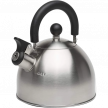
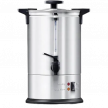

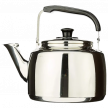
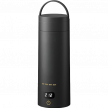
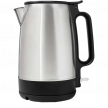
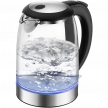
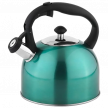


The difference between a residential kettle and a commercial one isn’t just price. Commercial kettles are engineered to handle 50+ boils per day, while residential models start failing after 10 daily cycles. That gap comes from construction: reinforced heating elements, heavier-gauge metals, and components built for continuous duty.
You’ll pay 2–4x more for a commercial kettle, but you’re buying equipment designed for 8–12 hour shifts, not the occasional morning tea. True commercial kettles also include warranties that actually cover business use. Try using residential models in a business and watch the warranty disappear, fine print or not.
Cafes, restaurants, catering companies, and large office break rooms need commercial kettles. Run 100+ cups a day through a home kettle and it’ll be dead in six months. Small cafes can get by with light commercial units, while full-service restaurants should invest in heavy-duty models.
Capacity: How Much Water Do You Really Need?
Most commercial operations need 4.0L minimum. Anything smaller forces you into constant refill cycles during rush periods, which kills your kettle’s lifespan and slows service. I’ve seen cafe owners buy 2.5L kettles to save $50, only to burn out the heating element within six months from nonstop cycling.
Here’s how I’d break down capacity by business type:
Yes, 5L takes longer to boil than 2L, but heating a full kettle every 20 minutes is still better than boiling a half-full kettle every 8 minutes. That constant cycling is exactly what kills heating elements.
Construction & Build Quality: Built To Last or Built To Fail?
Commercial-grade means actual reinforced parts, not marketing language. Look for:
- Thicker metals and reinforced internal components
- Welded joints instead of glued seams
- Heating elements tested to 10,000+ cycles (vs. ~2,000 for residential)
- Weighted, non-slip bases to prevent tipping when full
- Dual heat-resistant handles for safe lifting at high volumes
- Heavy-duty power cords with proper strain relief
This matters for ROI. A commercial kettle costs $200–$400 but lasts 5–7 years with proper maintenance. A residential kettle costs $60 but fails within a year in commercial settings. You’ll spend more replacing cheap kettles than buying the right one initially, plus you lose revenue during downtime.
Why Handle Design Matters More in Commercial Kitchens
Handle design and base stability become critical in commercial service when you’re lifting 4–5L of boiling water multiple times daily. A poor handle design isn’t just inconvenient – it’s also unsafe. Look for:
- Dual-handle designs, which balance the load and reduce wrist strain
- Heat-resistant materials that stay cool even during back-to-back boils
- Wide, ergonomic grip surfaces that reduce slipping when hands are wet
- Secure riveted or welded attachment points that won’t loosen over time
This is more than comfort. A single-handle residential design can twist when lifting a full kettle, putting staff at risk of burns, spills, or wrist injuries. Restaurants and cafés deal with enough hazards; the kettle shouldn’t be one of them.
Body Material: Why 304 Stainless Steel Matters
That “304 stainless steel” stamp tells you the chromium and nickel content meet standards for resisting corrosion, cleaning chemicals, and mineral buildup. Many residential kettles simply say “stainless steel,” which could refer to a much lower grade.
From a materials engineering perspective, 304 stainless maintains its structural integrity through thousands of thermal cycles. Cheaper materials develop microfractures from repeated heating and cooling, which eventually cause leaks or element failures. You can’t see these stress fractures until the kettle fails, usually during your busiest service period.
The difference shows up in how the kettle ages. Good 304 stainless steel ages with a light patina but resists dents and cleans up well. Cheaper materials dent from regular use and stain permanently. It also stays presentable for inspections – health departments notice when equipment looks beaten up long before it fails.
Heating Elements: Concealed vs. Exposed Design
Concealed heavy-duty heating elements are non-negotiable for commercial use. Exposed elements accumulate mineral deposits directly on the heating surface, which creates hot spots and reduces efficiency. I’ve seen exposed elements in hard water areas fail within 3–4 months because the mineral buildup prevents proper heat transfer, causing the element to overheat and burn out.
A stainless steel plate covers concealed elements, spreading heat evenly and keeping minerals off the element itself. Minerals still accumulate inside, just not where they’ll wreck the element. Descaling a flat plate beats scrubbing around exposed coils.
Heavy-duty isn’t just branding here. Standard concealed elements use thinner heating coils that can’t handle continuous commercial duty cycles. Heavy-duty commercial elements use thicker coils with higher thermal mass, which means they don’t heat and cool as rapidly. This reduces thermal stress and extends lifespan. You’re looking at 5–7 year element life with heavy-duty concealed designs versus 1–2 years with exposed or standard concealed elements in commercial settings.
Power & Speed: Why Wattage Matters in Commercial Settings
Higher wattage means faster boils and shorter wait times. A 2200W kettle can bring four liters to a boil in roughly five to six minutes, while a 1500W model might take eight to ten. Serve 20+ customers per hour during breakfast rush, and that extra 3–4 minutes per kettle adds up. That difference compounds fast during a breakfast rush.
If your kettle runs fifty boiling cycles a day and each cycle takes an extra three minutes, you’re wasting 150 minutes daily – seventy-five hours every month – simply waiting for water to heat.
Most high-wattage (2200W+) commercial kettles require dedicated 15–20 amp circuits to run safely. This requirement isn’t optional. Run a 2400W kettle on a shared 15 amp circuit and you’ll be resetting breakers all morning instead of serving customers.
If your space lacks the proper electrical setup, the one-time investment in upgrading the circuit pays for itself in daily time savings and smoother service.
Safety Features: Non-Negotiable Protections
Auto Shut-Off
Auto shut-off prevents the disasters that happen in busy commercial kitchens. Staff get distracted, kettles get forgotten, and without automatic shut-off, you’re looking at fire hazards, equipment damage, and liability issues. I won’t recommend any commercial kettle without this feature, regardless of price savings.
The cost of replacing a kettle that burns out is $200–$400. The cost of fire damage, insurance claims, and business interruption runs into thousands. Auto shut-off eliminates this risk completely for maybe $20 additional manufacturing cost.
Boil-Dry Protection
Boil-dry protection is just as critical. This feature stops the kettle from burning out when it runs dry. It happens more than you’d expect when staff rush through fills and misjudge levels. Without protection, the heating element burns out instantly. With it, the kettle shuts off automatically, and you avoid a $150+ service call plus downtime.
These safety features aren’t luxuries in commercial environments. They’re insurance against the inevitable mistakes that happen when you’re serving 100+ customers daily. Commercial-grade models include both features as standard equipment.
Water Level Indicators: Quick Visibility in Busy Environments
Large, clear water level gauges visible from both sides matter more than you’d expect. During rush periods, staff need to check water levels at a glance from any angle. Single-sided indicators force them to rotate the kettle or walk around it, which adds unnecessary steps to already-rushed service.
Clear min/max markings prevent two problems: overfilling causes spills when water boils and expands, and underfilling risks boil-dry damage if the protection system fails. I prefer gauges with large numerals and contrasting colors that remain visible even when the kettle develops mineral staining. Etched markings work better than printed ones because they don’t wear off with repeated cleaning.
Keep Warm Functions: Reducing Re-Boil Frequency
The kettle keeps water at 180–195°F instead of cooling down between uses. Perfect for slow periods when you’re only serving a few customers hourly but need instant hot water.
The energy math works out favorably. Re-boiling 4L from room temperature uses about 0.25 kWh. Two hours of temperature maintenance runs about 0.15 kWh. Cheaper than constant re-boiling during an 8-hour shift. Green tea drinkers also appreciate water that’s already at the proper temperature instead of waiting for boiling water to cool.
Cleaning & Health Code Compliance
Commercial kettles need wide openings (4 inches or more), removable lids, and dishwasher-safe parts to meet health code expectations. Health inspectors check for buildup, stains, and crevices that harbor bacteria. Narrow openings and fixed components make proper cleaning nearly impossible, which leads to failed inspections and premature equipment failure.
Water hardness determines your descaling schedule. Most operations need monthly descaling, but hard water areas require weekly treatment. The process takes 20–30 minutes with a proper descaling solution, which is why easy-access designs matter. You can’t afford to shut down service for hours dealing with a kettle that’s difficult to clean. Learn more about how to clean a kettle.
Stainless interiors stain less than coated ones, though minerals still build up on 304 stainless. Filter screens catch loose scale before it hits cups, but require daily cleaning. Fixed filters are useless because you can’t clean them properly.
Commercial Warranties: What To Look For
Residential warranties don’t cover commercial use, period. Even if the warranty doesn’t explicitly exclude commercial applications, the manufacturer will deny claims once they determine business use. I’ve seen this happen repeatedly with café owners who bought residential kettles, thinking they’d save money.
True commercial warranties specify commercial coverage and typically run 1–3 years. Here’s what different warranty periods tell you:
- 1 year commercial warranty – Manufacturer has moderate confidence in durability, covers basic defects
- 2 year commercial warranty – Better quality construction, manufacturer expects longer lifespan
- 3+ year commercial warranty – Premium construction, manufacturer confidence in multi-year commercial duty
Commercial warranties typically cover parts and labor but exclude damage from improper use (no descaling, using the wrong voltage, or physical damage). Extended warranties cost extra but make sense for equipment running 8+ hours daily. Service network availability matters too. A great warranty is worthless if authorized service requires shipping your kettle across the country for two weeks.
Common Mistakes Commercial Buyers Make
Buyers screw up commercial kettle purchases in predictable ways:
- Buying residential for commercial use. Saves $100 upfront, costs $300+ annually in replacements. The math never works out, and residential warranties don’t cover commercial use..
- Underestimating capacity. A 2.5L kettle for a cafe doing 80+ cups daily means constant refilling and premature failure. Buy bigger than you think you need.
- Ignoring electrical requirements. 2200W+ kettles need proper circuits. Fixing electrical after installation costs three times more than planning ahead.
- Skipping commercial warranties. When your $350 kettle fails after 14 months and the residential warranty doesn’t cover business use, you absorb the full replacement cost.
- Overlooking cleaning design. Narrow openings and fixed components mean you can’t properly descale, leading to element failure and health code violations.
The biggest mistake is treating commercial kettles like consumer purchases. This is business equipment. Spending an extra $100–$150 on proper commercial features saves thousands over the equipment’s lifespan while avoiding downtime and service interruptions.
Types of Commercial Kettles
Cordless vs. Fixed Corded
The 360° cordless design helps in cramped kitchens. You can lift and pour from any angle without cord interference. The tradeoff, however, is durability. The base connection point wears from repeated placement and removal, and I’ve seen these connections fail after 18–24 months of heavy use.
Fixed corded models generally last longer because there’s no connection point to wear out. The cord becomes the limitation since it restricts placement and can get damaged. For stationary installations where the kettle stays in one spot, fixed corded models are more reliable. For operations needing mobility, cordless makes sense despite a shorter lifespan.
Temperature Control Options
Basic commercial models just boil to 212°F and shut off. Temperature-controlled versions let you pick exact temps like 160°F, 180°F, or 200°F. This is especially useful for tea service, where different varieties need different temperatures. For coffee or general hot water, temperature control is a nice-to-have but not essential.
Temperature-controlled models run $50–$100 extra and add additional parts that can break over time. Unless you need precise temperatures, stick with a simpler, boil-only kettle.
Which Commercial Kettle Is Right For You?
Match your kettle to daily volume first, everything else second. If you’re doing 40+ boils daily, you need a heavy-duty commercial-grade with 4.0L+ capacity. Operations doing 20–30 boils daily can run light commercial models at 3.0–3.5L.
Light commercial kettles start around $200, while heavy-duty models run $300–$400. Anything cheaper won’t survive commercial use. I’d rather see you buy one $350 kettle that lasts 6 years than three $120 residential kettles that fail within two years each.
Cheap commercial kettles don’t exist. The materials and construction required for commercial duty cycles cost real money. Companies selling “commercial” kettles under $150 are either using residential components with commercial marketing or cutting corners on critical features. Buy once, buy right, and your kettle becomes one less thing to worry about.