




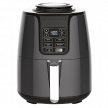




Air fryers have become one of the most popular kitchen appliances for good reason. They cook quickly, crisp efficiently, and require far less oil than deep frying.
But despite the name, air fryers don’t actually “fry” food. They rely on hot, rapidly circulating air to cook and brown ingredients. Understanding how that process works helps you get better results and avoid common mistakes.
Quick Answer
An air fryer works by using a heating element and a powerful fan to circulate hot air around food at high speed. This rapid convection cooks food evenly and creates a crispy exterior with little to no oil. In simple terms, it’s a compact convection oven designed to cook faster and brown more efficiently.
How Does an Air Fryer Cook Food
The name “air fryer” is both helpful and misleading.
It’s helpful because it can recreate the crispy texture of fried food. It’s misleading because oil isn’t doing the work; air is.
At its core, an air fryer is a small convection oven. It uses:
- A heating element to generate heat
- A high-speed fan to circulate that heat
- A compact cooking chamber to intensify airflow
Because the cooking space is small, hot air circulates quickly and consistently. That’s why air fryers preheat faster and cook more quickly than conventional ovens.
Main Components of an Air Fryer
An air fryer is made up of four main components:
Heating Element
A metal coil (similar to an electric stove) that generates heat.
- In basket-style models, it’s usually mounted on top.
- In oven-style models, it’s typically positioned at the back.
Fan
Located behind or near the heating element.
The fan rapidly circulates hot air around the food. This airflow is what creates even cooking and browning.
Cooking Container
- Basket-style: Pull-out basket with crisper plate
- Oven-style: Trays, racks, or pans
Vented Crisper Tray
This lifts food off the bottom and allows hot air to circulate underneath.
Does an Air Fryer Use Oil?
You don’t need oil for an air fryer to work, but using a small amount often improves the results. Air fryers cook with circulating hot air, not oil, so foods will still cook through without it.
That said, a light coating of oil helps food brown more evenly, crisp up better, and prevents breading from drying out or sticking to the tray.
The key is moderation; you want to use just enough to coat the surface. Too much oil can drip to the bottom and create smoke during cooking.
Does an Air Fryer Cook Evenly?
Generally, yes, but technique matters.
Hot air circulates at a consistent temperature. However:
- The heating element and fan operate from one direction.
- Airflow must remain unobstructed.
For best results:
- Flip flat items halfway through.
- Shake foods like fries or vegetables.
- Rotate trays in oven-style models.
Crowding the basket reduces airflow and leads to uneven cooking.
How Is an Air Fryer Different From an Oven or Deep Fryer?
Compared to an Oven
An oven uses radiant heat. Air fryers use forced convection, meaning the fan actively circulates air. This makes them faster and more efficient.
When converting oven recipes:
- Lower temperature by 25°F
- Reduce cooking time by 20%
Compared to a Deep Fryer
Deep fryers cook faster and produce unmatched crispiness due to oil immersion. However, they require large amounts of oil and more cleanup.
Air fryers replicate much of the texture with far less fat and easier maintenance.
How Long Does Cooking in an Air Fryer Take?
Cooking times in an air fryer vary depending on the type of food, its size or thickness, whether it’s fresh or frozen, and the specific air fryer model you’re using. However, air fryers are generally faster than conventional ovens due to their rapid air circulation technology and compact size.
Here are some general guidelines:
- Preheating: Most air fryers heat up quickly and don’t always require preheating, but preheating (about 3–5 minutes) can help ensure consistent cooking results, especially for dense meats or baked items.
- Batch Size: Overloading the air fryer basket can increase cook times and reduce crispiness. Arrange food in a single layer and cook in batches if needed.
- Flipping/Shaking: For even browning, flip or shake the food halfway through cooking.
And here are cooking ranges for different types of food.
Proteins
Vegetables
Frozen Foods
Baked Goods and Snacks
Additional Tips
- Use a Thermometer: For meats, use a digital thermometer to verify internal temperature and avoid overcooking.
- Use Oil Sprays Sparingly: A light coat of high-smoke point oil (like avocado or canola) enhances crispiness.
- Avoid Wet Batters: Traditional wet batters don’t cook well in an air fryer; instead, use dry breading or dredge in flour before air frying.
- Reheating Leftovers: Most leftovers can be reheated at 350°F for 3–5 minutes for a crisp finish, versus microwaving, which often makes food soggy.
FAQ
Do I need to preheat my air fryer?
How do I prevent food from sticking to the basket?
Can I cook multiple types of food at once?
Oven-style air fryers often come with more than one tray so it’s entirely feasible to cook one food on one tray and have something else in a tray below it. Just account for the differences in temperature and time between the two foods.
Should I flip or shake the food during cooking?
It somewhat depends on the food and the style of air fryer. If it’s a flat layer of food such as chicken, steak, portobello mushrooms, it’s a good idea to flip them. If you’re using an oven-style air fryer, you’ll need to rotate instead of flipping since the heating element is in the back of the air fryer.
Shaking the food is a good idea if it’s something that’s haphazardly thrown in (no judgement!) like fries or broccoli florets.

