







Travel coffee makers are not just for backpackers and campers. They’re for everyone who wants a good cup of coffee when you’re on the go. This could mean commuting, road trips, or even hotel stays when there isn’t a good coffee pot setup. Travel coffee makers are small, convenient, and often can do double or even triple duty.
So if you want to make a great cup of coffee without sacrificing quality, but also want to take it with you no matter where you are, these coffee makers are the ones to buy.
In this guide, I’ll show you how to pick the travel coffee maker that will be right for your speed, suitcase, and style. And, if you’re interested in reading more about coffee machines in general and reviewing the different brands on the market, see my main buyer’s guide.
How to Choose a Travel Coffee Maker (Quick Answer)
Pick a travel coffee maker based on portability, brewing method, and ease of cleaning. Compact drip or pour-over models are great for simple on-the-go use, while insulated systems keep coffee hot longer. Look for durable materials, leak-proof design, and a size that fits your bag and daily routine.
How to Buy a Travel Coffee Maker: Key Features to Consider
Brew Method
The brew method determines how coffee is extracted, which affects flavor, speed, cleanup, and how much gear you’ll need.
Common Travel Brew Methods
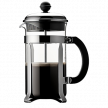
- French Press
- Steeps grounds directly in hot water, then presses them out
- Produces a rich, full-bodied cup
- Minimal equipment required
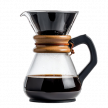
- Pour-Over
- Uses gravity and a filter to extract coffee
- Results in a cleaner, brighter cup
- Usually requires a separate kettle and cup
- AeroPress-style
- Combines immersion and pressure
- Brews quickly and produces smooth, concentrated coffee
- Popular with frequent travelers due to compact size and easy cleanup
- Espresso-style
- Produces concentrated shots using pressure
- Requires fine grounds and more effort
- Appeals to those who prefer strong, bold coffee
When choosing a brew method, think about:
- How quickly you want coffee ready
- How much equipment you’re willing to carry
- Whether you prefer bold, rich coffee or a cleaner cup
Size and Portability
Size and weight matter, especially if you’re packing light or brewing in tight spaces.
What to look for:
- Under 1 pound if possible, especially for hiking
- Similar size to a standard water bottle
- Components that nest together (mug, filter, scoop) to save space when packing
Many travel coffee makers even double as travel mugs, letting you brew and drink from the same container. Leak-proof lids are especially useful for commuting or air travel.
Durability and Material
Travel brewers take more abuse than home machines, so build quality is critical.
Common Materials
- Stainless Steel
- Extremely durable and impact-resistant
- Often insulated to retain heat
- Ideal for camping, commuting, and outdoor use
- BPA-Free Plastic
- Lightweight and affordable
- Durable enough for frequent travel
- Look for heat-resistant, high-quality plastics
- Silicone
- Flexible and collapsible
- Extremely space-efficient
- May wear faster over time
- Glass
- Best for taste purity
- Least durable and not ideal for travel, but can work in hybrid models
Design tips:
- Look for tight-fitting parts and sturdy seals
- Avoid thin plastic lids or fragile joints
- Fewer moving parts usually means longer lifespan
All-in-One Functionality
All-in-one travel coffee makers combine multiple components into one unit, often including:
- Built-in filter
- Brewing chamber
- Drinking mug
- Leak-proof lid
These designs are ideal when space is limited and cleanup needs to be fast. Many let you brew directly into the mug you drink from, reducing mess and extra gear.
When evaluating all-in-one systems, check:
- How securely parts fit together
- Whether filters are reusable or disposable
- How easy the unit is to clean after brewing
Heat Source Compatibility
Since most travel coffee makers don’t include built-in heating, it’s important to consider how you’ll boil water—especially if you’re brewing outdoors or away from a kitchen. Some brewers are designed to be used directly on a stovetop or campfire, while others require a separate kettle or access to hot water.
For camping or off-grid use:
- Choose stainless steel or heat-safe materials
- Some models work on camp stoves or open flames
- Avoid plastic brewers near direct heat
For hotel rooms, office use, or air travel, consider compact electric kettles or models that work well with boiled water from coffee stations or thermoses. The key is making sure your brewer matches your most likely heat source.
Cleanup and Reusability
When you’re on the move, quick and easy cleanup is essential. Travel coffee makers with fewer parts and smooth, non-stick surfaces are easiest to rinse in a sink or wipe clean with a cloth. Avoid models with hard-to-reach crevices or components that trap grounds, especially if you won’t have access to running water.
Filter considerations:
- Reusable metal filters reduce waste but need rinsing
- Disposable filters simplify cleanup but add cost and packing needs
If you’re traveling light or in remote areas, prioritize brewers that clean with a quick rinse and don’t need detergent or tools to disassemble. All-in-one designs with integrated filters and mugs often streamline cleanup and minimize waste.
Travel Coffee Maker Types: Choose by Use Case
Choosing the right travel coffee maker depends on how much convenience and control you want.
AeroPress & AeroPress Go
Best for: Adventurers and coffee nerds on the go
Pros: Fast, strong brew; espresso-style shots; very compact
Cons: Requires separate kettle
Perfect for travelers who want power and versatility in a portable package.
French Press Tumblers
Best for: Commuters and campers
Pros: Brew and drink from the same container; no extra filters needed
Cons: More sediment, bulkier
A solid all-in-one solution for those who like bold, full-bodied coffee on the move.
Pour Over Travel Sets
Best for: Minimalists and ultralight backpackers
Pros: Lightweight and compact; clean, flavorful cup
Cons: Requires a separate cup or carafe
Best for campers or solo travelers who want to pour over flavor without the bulk.
Self-Heating Travel Coffee Makers
Best for: Remote workers or van lifers
Pros: Heats and brews with battery or plug-in power
Cons: Pricier, slower, needs charging
The ultimate solution for brewing anywhere, even without access to hot water.
Collapsible Silicone Brewers
Best for: Hikers, backpackers, or emergency kits
Pros: Tiny footprint, durable, easy to clean
Cons: May lack thermal insulation or stability
Great backup or ultralight option for those with serious space limitations.
Advanced Features Worth Considering
- Built-in mug or tumbler: Brew and drink from one container, minimizing gear.
- Vacuum insulation: Retains heat for hours, perfect for road trips or flights.
- Reusable metal filters: Environmentally friendly and practical, with no paper required.
- Travel case or carry pouch: Keeps components together and safe.
- Measuring markings inside: Allows you to approximate ratios without a scale.
- Sipping lid or leak-proof seal: Keeps spills from happening and your bag clean.
- USB or battery heating: Certain models can heat water or maintain a set temperature.
- Multi-use functions: Some travel brewers can also make cold brew or tea.
Budget Breakdown: What to Expect
Travel coffee makers are available at a range of price points, and each tier offers different levels of convenience, durability, and performance.
- Under $25: Entry-level options are usually compact, lightweight, and made from plastic or silicone. They may include basic pour-over cones or simple French press-style brewers. These are ideal for occasional use or as a backup but may lack insulation and long-term durability.
- $25–$50: Mid-range models often offer better build quality, reusable filters, and more thoughtful design—like integrated mugs, improved sealing, and easier cleanup. You’ll also start to see AeroPress-style devices and compact presses in this range. These are well-suited for frequent travelers who want dependable performance without extra bulk.
- $50 and up: Premium travel brewers in this range typically feature stainless steel construction, vacuum insulation, and all-in-one functionality. Some are compatible with multiple brew methods or come with accessories like carrying cases or built-in grinders. These are ideal for daily use or travel situations where reliability and versatility matter most.
Which Travel Coffee Maker Matches Your Routine?
Almost everyone falls into one of these categories. Which one are you?
- Flying every week? Invest in a press tumbler or a self-contained AeroPress Go for faster brews in transit.
- Heading into the backcountry? Choose collapsible pour over cones or durable French press models that can be packed flat and are damage-resistant.
- Brewing solo? Find a small, travel-sized 12–14 oz. model that integrates the mug and has no extra parts.
- Going off-grid? Search for self-heating brewers or USB-compatible options that don’t need a stove or wall plug.
- Commuting daily? Consider a thermal tumbler press with a sip-through lid and one-handed operation.