























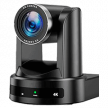
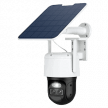

Summary: PTZ cameras promise wide coverage and powerful zoom, but they’re not always the best fit for home security. This guide explains when PTZ makes sense and what features actually matter before you buy.
PTZ (pan-tilt-zoom) cameras promise wide coverage, motion tracking, and the ability to replace multiple fixed cameras. After installing Ring cameras across two properties and researching a UniFi upgrade, I’ve spent considerable time evaluating when PTZ models actually make sense. My focus has been on real-world performance, not just spec sheets.
These cameras can solve problems fixed cameras can’t, like tracking movement across large areas or zooming in for identification. But they also come with trade-offs. PTZ cameras can only monitor one direction at a time, tracking isn’t always reliable, and slower motor speeds can delay response time. I’ll break down the specs that matter most and explain when PTZ is worth the added cost versus adding more fixed cameras. For a more comprehensive breakdown, check out our surveillance camera guide.
Optical Zoom Performance: The Primary PTZ Advantage
The reason most people consider PTZ cameras over fixed units comes down to one feature: optical zoom capability. Unlike digital zoom, optical zoom uses physical lens movement to magnify distant subjects without losing detail – a core distinction explained in our guide on how surveillance cameras work. That’s what makes it useful for identification, not just monitoring.
30x vs 20x vs 12x Zoom: Real-World Identification Distances
Higher optical zoom numbers sound impressive until you test them in actual conditions. Under typical outdoor conditions:
- 30x optical zoom can capture readable license plates at 100+ feet
- 20x zoom usually delivers clear identification around 60–70 feet
- Below 12x zoom offers limited investigative value and often doesn’t justify the added PTZ cost and complexity
In testing environments, 30x zoom can capture facial detail at distances that would otherwise require multiple fixed cameras covering the same area.
Zoom vs Image Quality Trade-offs
Maximum zoom performance comes with trade-offs that aren’t always obvious in spec sheets:
- Image stabilization becomes critical above 20x – minor vibration causes blur
- Compression artifacts multiply at high zoom levels, especially with H.264 recording
- Autofocus struggles in low light when zoomed beyond 15x magnification
- Digital noise increases dramatically at maximum magnification
- Wind movement of the camera mount destroys image quality at high magnification
These limitations mean a “30x zoom” camera might only deliver usable footage at mid-range (20x) zoom levels in real-world conditions.
Resolution also plays a role, but it doesn’t replace optical zoom. A 4K PTZ with limited zoom may capture less identifiable detail at distance than a lower-resolution model with stronger optical magnification. Optical reach determines subject size in frame, while resolution affects how much detail is retained once zoomed.
Optical vs Digital Zoom Limitations
With optical zoom, the lens physically moves to magnify what the camera sees. Detail is preserved because you’re enlarging the image optically, not stretching pixels.
Digital zoom works differently. The camera crops part of the sensor and enlarges it, like zooming into a photo on your phone. Push it too far, and the image quickly turns soft and pixelated.
Most PTZ cameras combine both, but anything beyond the optical zoom specification becomes worthless for identification purposes. My Ring cameras taught me this lesson with their digital zoom feature. Faces that looked clear in live view fell apart when I zoomed into recorded footage for evidence.
Pan/Tilt Speed and Auto-Tracking Performance
The motors that move PTZ cameras determine whether you’ll capture critical events or miss them entirely.
Pan Speed: Horizontal Movement That Actually Matters
Pan speed measures how fast the camera can rotate side to side. Pan speed ratings above ~100° per second separate professional PTZ cameras slower consumer units that can’t keep up with moving subjects. When motion detection triggers your camera, slow pan speeds can lag behind real movement. Instead of following a subject, the camera may still be turning as they leave the frame.
I’ve seen this gap in my own Ring camera footage. Delivery drivers appear and disappear from my fixed camera’s field of view in seconds. A slower PTZ camera with a 50-degree-per-second pan speed would still be rotating by the time they’re already back in their truck.
Tilt Performance and Mechanical Precision
Tilt speed matters less than pan speed for most surveillance scenarios, but mechanical precision becomes obvious after months of use. Cheaper PTZ units often develop “drift,” where preset positions shift slightly each time the camera returns to them. Temperature changes cause the worst drift issues. Metal components expand and contract, and repeated movement compounds the misalignment.
I ran into mounting stability issues with my garage-mounted Ring camera, and PTZ cameras have far more metal components that expand and contract. Higher-quality PTZ cameras include position feedback sensors that compensate for this drift, while budget units slowly lose alignment over time.
Auto-Tracking Accuracy and AI Integration
Auto-tracking is one of the most marketed PTZ features, but it is one of the most inconsistent in practice. It works well in controlled conditions, since a person walking across an open, well-lit area is easy to follow. But once you add shadows, trees, nighttime lighting, or multiple moving objects, the accuracy drops quickly.
Common issues include:
- Tracking swaying branches instead of people
- Following passing headlights or cars
- Losing subjects moving between light and shadow
- Exposure shifts confusing motion algorithms
False tracking events don’t just miss footage; they also create unnecessary recordings and drain battery-powered units faster.
PTZ-Specific Installation and Infrastructure Challenges
Mounting is only one part of installing a PTZ camera. Power, cabling, and long-term durability also introduce additional setup challenges, including:
- Heavier housing and motor vibration. PTZ cameras are significantly heavier than fixed models, and internal motors create continuous micro-vibrations during operation. Over time, this added weight and movement place more stress on the mounting hardware. Standard wall brackets used for fixed cameras often lack the stability required for PTZ installations.
- Higher power requirements (PoE+). Most PTZ cameras require PoE+ (25W+) instead of standard PoE. This means network switches must support higher per-port power output. Verifying power compatibility before installation is essential to avoid performance issues or additional hardware upgrades.
- More complex cable routing. PTZ cameras rely on combined power and data connections that must accommodate constant rotation. Internal slip-ring connectors handle movement within the housing, but external cabling still requires careful routing and strain relief to prevent binding or wear.
- Weather sealing wear over time. Moving components introduce additional failure points in weather sealing. Gaskets and joints experience gradual wear as the camera pans and tilts. Fixed cameras typically maintain weather resistance longer because their housings remain static.
Learn more about installation from our guide on how to install surveillance cameras.
Control Interfaces and Integration Options
PTZ camera control interfaces vary dramatically in responsiveness, and lag between your input and camera movement can make real-time tracking frustrating. Mobile apps for PTZ control often suffer from network latency that makes smooth panning almost impossible, while dedicated controller hardware provides much better real-time response for security applications.
Key integration limitations to expect:
- Smart home control is basic. Most platforms let you move the camera or call presets, but advanced features like patrol routes usually aren’t supported.
- ONVIF isn’t full access. Cross-brand compatibility doesn’t guarantee full feature access. Presets, tracking, and advanced settings frequently require the manufacturer’s app.
- Multiple uses can conflict. If two people try to control the camera at once, inputs can override each other and cause erratic movement.
- Voice assistants are preset-only. Alexa and Google can move the camera to saved positions, but that’s about it – no smooth tracking or complex commands
Overall, PTZ cameras tend to lock you into their native control apps more than fixed cameras do, which can limit flexibility if you’re mixing brands.
Power and Connectivity Requirements
The motors, zoom mechanisms, and IR lights in PTZ cameras draw way more power than regular security cameras. While standard wired surveillance cameras run fine on standard PoE (Power over Ethernet), PTZ units demand PoE+ connections that supply 25–30 watts instead of the usual 15-watt limit.
PoE+ makes the install cleaner since everything runs through one cable, though Ethernet distance limits (typically ~300 ft / 100 m) still apply. DC power gives you the flexibility to put cameras wherever you want, but requires separate electrical routing and backup power planning if outage protection is needed.
PTZ vs Fixed Camera Coverage Strategy
PTZ cameras work great for surveilling large areas like parking lots, job sites, or property borders where you’d otherwise need several fixed cameras to get the same detail. However, they create a fundamental coverage limitation that my Ring system made me appreciate.
PTZ cameras can only look in one direction at a time. Unlike fixed cameras that provide constant, simultaneous coverage of multiple zones, PTZ movement creates temporary blind spots whenever the camera is repositioning or focused elsewhere.
PTZ cameras tend to make the most financial sense when you’re covering areas large enough that several fixed cameras would be required to achieve comparable zoom detail. For most residential setups, strategically-placed fixed cameras placed smartly give you better protection than PTZ cameras. Continuous coverage of key entry points and activity zones often outweighs the situational advantages of a single movable camera.
Indoor vs Outdoor PTZ Deployment
Choosing between indoor and outdoor PTZ cameras isn’t just about where you mount them. Environmental exposure, housing design, night vision range, and power demands all vary significantly. Understanding these differences helps ensure the camera you choose can handle the conditions it will operate in.
Common PTZ Pitfalls and Mechanical Reliability
More moving parts mean more ways for things to break, and PTZ cameras rely on in motors, gears, and moving housings that fixed cameras don’t have. Heat, cold, and constant movement wear down components in ways most people never think about when they’re shopping.
- Pan/tilt motor gear wear – Entry-level models often use plastic gearing, which can break down in less than two years with regular use. Metal gear systems cost a lot more upfront, but typically last much longer.
- Zoom motor calibration drift – Over time, zoom and focus mechanisms can lose calibration. This may result in softer images at higher magnification and can require manual recalibration or servicing to restore sharpness.
- Weatherproof seal degradation – All those moving parts can put stress on rubber seals and gaskets faster than static components. As these wear, moisture intrusion becomes more likely, increasing the risk of internal corrosion or electronic failure.
- Preset position accuracy loss – Mechanical backlash (small gaps in gear movement) can develop with use. This causes saved preset positions to drift several degrees from where you originally set them.
- Infrared LED failure patterns – Heat generated inside PTZ housings can shorten the lifespan of infrared LEDs, potentially faster than normal, creating dark spots in your night vision that can be expensive to fix.
- Network connectivity interruption – Continuous vibration from constant motor movement can loosen Ethernet connections over time. In some cases, this may contribute to intermittent dropouts if cabling or ports loosen.
Privacy, Compliance, and Legal Considerations
Because these cameras can actively follow subjects and zoom into distant areas, PTZ cameras raise additional privacy concerns compared to fixed cameras.
Improper placement can unintentionally capture footage outside your property boundary, including neighboring homes, public sidewalks, nearby roadways, license plates, or interior spaces through windows. Since PTZ cameras can reposition and track movement, this exposure risk is higher than with static cameras locked to a single field of view.
Many jurisdictions regulate how surveillance cameras can be used, particularly when zoom capability enables identification beyond your property boundary. Common compliance best practices include:
- Positioning cameras within property lines
- Using privacy masking zones
- Posting surveillance notice signage where required
- Restricting audio recording where illegal
Buyers deploying PTZ cameras in commercial settings or rental properties should confirm local surveillance regulations prior to installation.
From a data protection standpoint, PTZ footage often carries higher investigative value, which makes securing stored video and remote access critical. At a minimum, buyers should look for encrypted footage transmission, controlled user access permissions, secure remote viewing authentication, and regular firmware updates to protect against unauthorized access.
Find out more from our guide on surveillance cameras and data protection.
Budget Considerations and Total Cost Analysis
Professional-grade models from manufacturers like Hikvision, Dahua, or Axis typically range from $1,500–$4,000. These models often include metal internals, robust weather sealing, and multi-year warranties that make sense for commercial or industrial deployments. Consumer-tier PTZ cameras generally fall between $400–$800. They tend to use plastic components and have shorter warranty periods, but they’re adequate for residential use where replacement costs remain manageable.
Installation costs are often higher than the camera itself PTZ cameras can weigh between 8–15 pounds and require structural mounting that can handle vibration and wind load. Professional installation – including structural mounting and power provisioning – commonly adds $300–$800 to the project. How much does a surveillance camera cost? Learn more from our guide.
Infrastructure upgrades can increase total cost further. Network switches may need PoE+ support, and cabling runs are often more complex than fixed-camera installs. As a result, a mid-range PTZ camera can realistically become a $1,200+ total investment once installation and hardware upgrades are factored in.
Ongoing maintenance adds another cost layer since mechanical components require periodic servicing or recalibration over time, introducing lifecycle costs that fixed cameras generally avoid.
How To Pick the Right PTZ Cameras for Your Home
First, figure out if you actually need PTZ functionality or just need to place your fixed cameras better. PTZ makes the most sense for monitoring big yards, long driveways, or tracking movement across multiple areas. In those cases, look for 20x+ optical zoom, pan speeds over 100°/second, and PoE+ power connections.
Skip PTZ cameras if your goal is monitoring entry points like doors and windows. These locations benefit more from constant, uninterrupted coverage than movable viewing angles.
When comparing models, focus your budget on core performance. Spend your money on good optical zoom and solid mechanical parts instead of flashy extras like color night vision or AI tracking that don’t work consistently in real situations. Get professional installation unless you know your way around structural mounting and network gear, since PTZ cameras need much stronger support than regular security cameras.
In most residential situations, PTZ cameras work best as a supplement to your existing security setup rather than replacing it entirely. Pairing PTZ cameras with fixed cameras ensures continuous coverage while PTZ handles close-up investigation of specific incidents.
FAQs
How much optical zoom do I actually need for home security?
Can PTZ cameras work reliably in winter weather?
Do PTZ cameras integrate well with existing Ring or other security systems?
Even when ONVIF or smart home support is advertised, functionality is often basic, such as live viewing or preset movement, rather than full control within a unified app.