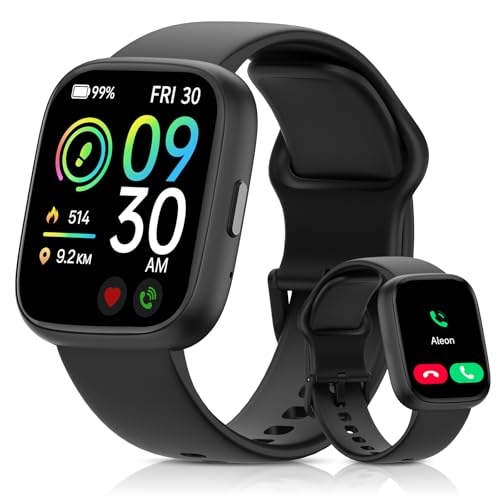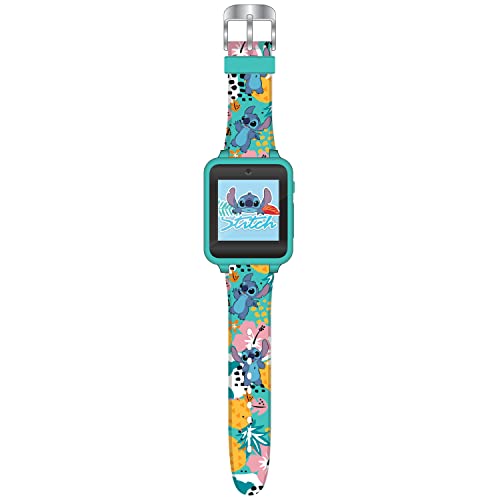
















Fitness trackers and smartwatches both monitor health and activity, but they’re built for different priorities. One focuses on streamlined fitness tracking and long battery life. The other adds phone-level features like calls, apps, and payments.
In this guide, we’ll break down the real differences, including tracking accuracy, battery life, smart features, comfort, and cost, so you can choose the device that fits your lifestyle.
Quick Answer: Should you get a Fitness Tracker or a Smartwatch?
If your priority is lightweight comfort, long battery life, and focused health tracking, a fitness tracker is usually the better choice. If you want phone-like features such as calls, messaging, apps, payments, and advanced sensors, a smartwatch offers more versatility. Fitness-first users often prefer trackers, while everyday users who want connectivity tend to choose smartwatches.
What’s a Smartwatch?
Smartwatches are essentially the evolution of the digital watch. They come in various shapes and sizes and function as an extension of your smartphone. Although there are many fashionable choices, smartwatches are primarily utility tools for communication and health tracking.
Smartwatches sync with your smartphone via Bluetooth and let you stay connected with friends, family, and co-workers through communication apps. It depends on the brand and model, but the average smartwatch lets you receive and make phone calls and text messages.
In addition to phone-like communication, they often have features for added convenience, such as contactless payment, GPS tracking, and voice assistants.
TIP: Read more about how smartwatches work in this guide.
What’s a Fitness Tracker?
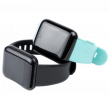
In many instances, fitness trackers look like smartwatches, but there is one fundamental difference. While fitness trackers often offer limited phone-like functionality, their primary purpose is to continuously track metrics such as steps, calories, heart rate, and more that affect overall health and fitness.
Fitness trackers are usually sleeker and lighter than smartwatches, making them more practical for 24/7 wear. Their user interface is also more streamlined and simple, making it easier for less tech-savvy users to navigate menus, analyze reports, and use core functions such as activity tracking.
Are all smartwatches fitness trackers? It’s safe to say that all smartwatches have some degree of fitness tracking capabilities. However, not all fitness trackers are smartwatches, as many cannot use communication apps, such as receiving phone calls or sending text messages.
Similarities and Differences Between the Two
When to Choose a Fitness Tracker
A fitness tracker is best suited for those who want something lightweight with long-lasting battery life to stay on top of their fitness goals. Smartwatches are a bit clunkier and can feel more restrictive, especially during high-intensity workouts.
Fitness trackers usually track everything athletes need during workouts. Although not as comprehensive as smartwatches, they usually offer some communication features that allow you to view notifications and text messages. That way, you can stay connected during workouts.
Plus, they’re much more affordable than smartwatches and a better option for less tech-savvy people who want a simple user experience.
When to Choose a Smartwatch
If you want a fitness tracker that more closely mirrors smartphone functionality, a smartwatch is the way to go. They generally offer everything fitness trackers do, with additional communication, entertainment, and health-tracking features.
For example, smartwatches usually have more sensors, making them better-equipped to detect metrics such as blood oxygen saturation, skin temperature, and stress levels. Fitness trackers are excellent for basic tracking and, in many cases, more accurate, but they usually lack sensors for detailed trends and data reports.
Many smartwatches allow you to make and receive phone calls, even if you don’t have your phone on you. That makes them excellent for staying connected but present, and GPS capabilities make driving and outdoor workouts more manageable.
Also, it’s worth noting that smartwatches are more versatile for everyday casual wear and even business formal attire, depending on the model. Some smartwatches are made with high-grade materials and have a sophisticated design that gives them the appearance of a fashionable wristwatch.
TIP: Check out my guide on how to choose a smartwatch.