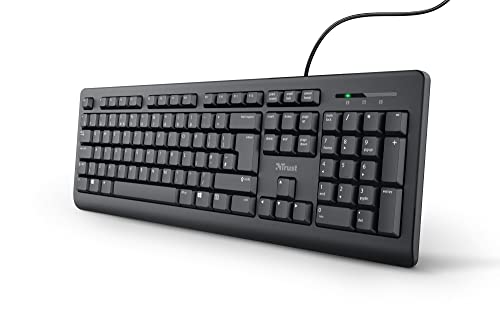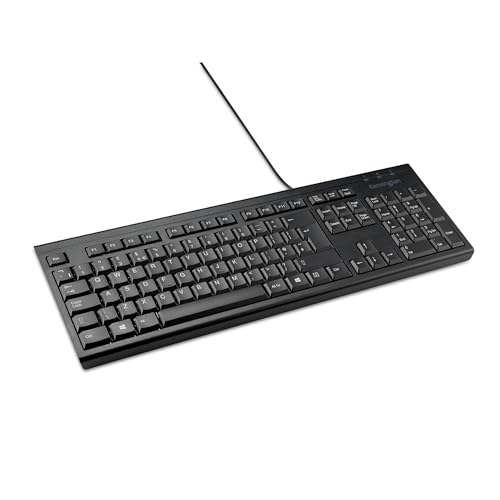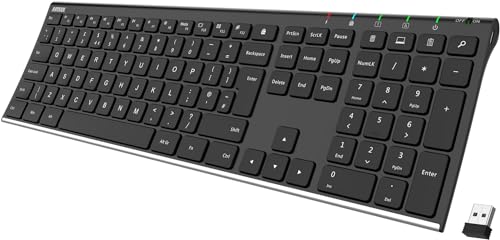

















Computer keyboards are touched constantly, and particles such as dust, crumbs, and skin oils collect in their narrow spaces. Because they are handled so often, regular cleaning is a practical part of everyday device care. Consistent maintenance helps keep both hygiene and performance at a reasonable level.
This guide provides a step-by-step guide on how to clean your keyboard and how to prevent avoidable wear.
![[MK] Draft: How to Clean a Keyboard](https://www.market.com/wp-content/uploads/2026/02/-mk-draft-how-to-clean-a-keyboard-1.jpeg)
Quick Answer: How Do You Clean a Computer Keyboard Safely?
Turn off and unplug the keyboard first. Shake out loose debris, then use compressed air (upright, short bursts) or a toothbrush to clear between keys. Wipe the surface with a microfibre cloth lightly dampened with 70% isopropyl alcohol — never spray liquid directly onto the keyboard. For mechanical models, remove keycaps for deeper cleaning only after documenting the layout and ensuring everything is fully dry before reconnecting power.
Why Cleaning Your Keyboard Matters
Hygiene: Keyboards are high-touch surfaces. Routine cleaning can reduce surface bacteria, especially in shared environments like offices, schools, and workstations.
Performance: Dust and debris can interfere with key movement, cause sticking, or create inconsistent typing response. Cleaning removes buildup before it turns into a mechanical issue.
Longevity: Preventive care helps extend the lifespan of switches, membranes, and key coatings.
Know Your Keyboard Type
Cleaning methods vary depending on the design.
Laptop Keyboards
Built into the device and typically delicate.
- Key removal is usually discouraged.
- Cleaning focuses on dry methods and minimal moisture.
- Liquids must be applied to cloths or swabs — never directly to keys.
Mechanical Keyboards
Designed with removable keycaps.
- Easier to deep clean.
- Keycaps can be safely removed using a puller.
- Always document the layout first.
Membrane Keyboards
Common in offices and bundled desktop setups.
- Often more sealed than mechanical boards.
- Key removal is usually not intended.
- Best cleaned similarly to laptop keyboards.
Wired vs Wireless
- Wired: Unplug before cleaning.
- Wireless: Turn off and remove batteries if possible.
Power disconnection prevents electrical damage and accidental input.
Tools and Materials
Specialized equipment is not required, but the correct order and basic tools make the process safer and more effective. Dry removal of debris should come first, followed by optional disinfecting with minimal moisture. Liquids should never be sprayed directly onto a keyboard, and cloths should be damp rather than wet.
If trapped debris cannot be removed with a dry, soft brush, try compressed air. Apply compressed air in short bursts with the can upright to clear remaining dust.
Essentials:
- Microfibre or lint-free cloth
- Soft brush for dust and crumbs
- Isopropyl alcohol around 70% for cleaning or disinfecting when appropriate, applied to a cloth or swab rather than poured
Mechanical-keyboard extras:
- Keycap puller
- Bowl with warm water and mild soap for keycaps only
- Towel and time for complete air drying
Avoid:
- Sprays applied directly onto the keyboard
- Bleach, ammonia, peroxides, strong solvents, or abrasive cleaners
- Aggressive vacuums or blowers that may create static
Step-by-Step Keyboard Cleaning Guide
Below, I cover the steps for a quick clean vs. deep clean of your keyboard. If you’re a visual leaner, check out my video showing a deep clean:
Safe Preparation
- Power off the device.
- Disconnect from power or remove batteries.
Control moisture carefully. Cleaning liquids should be applied to cloths or swabs, not directly onto keys. Excess liquid increases the risk of seepage into internal components.
Separate cleaning from disinfecting. Removing visible dirt should come first, followed by optional disinfection if needed.
Quick Clean (Weekly Maintenance)
This routine works well for weekly maintenance of personal keyboards and frequent cleaning of shared ones.
- Hold the keyboard upside down and, with a soft toothbrush, gently brush to sweep between keys and loosen trapped particles.
- Wipe the surface with a dry microfibre cloth to remove surface residue.
Standard Deep Clean (Monthly or When Sticky)
A deeper cleaning is useful about once a month, or whenever keys appear dirty or sticky.
- Complete all dry cleaning steps first so debris is not smeared into grime.
- Clean edges and gaps with the microfibre cloth lightly moistened with isopropyl alcohol, focusing on sticky areas and spaces between keys.
- Clean key tops and edges.
- Allow the surface to remain slightly moist for the recommended contact time (per alcohol guidance).
- Let the keyboard air dry completely before reconnecting power.
Removing and Cleaning Keycaps (Mechanical Keyboards Only)
Not recommended for laptops or most membrane keyboards.
- Take a photo of the layout.
- Use a keycap puller and lift straight upward.
- Wash keycaps in warm, mildly soapy water.
- Rinse thoroughly.
- Air-dry completely (often overnight).
- Clean exposed keyboard surface using air first, then a lightly damp cloth if needed.
- Reassemble only when everything is fully dry.
Full Disassembly
Complete disassembly is rarely necessary for routine care and carries risk. Opening a keyboard can lead to damage or safety hazards, and warranty coverage may not apply afterward. If the device is under warranty or has suffered liquid exposure, professional service is often the safer choice.
Keyboard Maintenance and Mess Prevention Tips
A practical routine for most users:
- Quick clean: Weekly
- Deep clean: Monthly
- Keycap removal (mechanical): A few times per year
Increase frequency if:
- The keyboard is shared
- You eat near it
- Pets shed nearby
Simple prevention habits:
- Keep drinks away from the keyboard
- Wash hands regularly
- Avoid eating directly over keys
- Address spills immediately
Common Keyboard Cleaning Mistakes to Avoid
- Cleaning while the keyboard is powered or still connected.
- Spraying liquids directly onto keys.
- Using cloths that are wet enough to drip into gaps.
- Applying harsh chemicals such as bleach, ammonia, or strong solvents.
- Turning compressed-air cans upside down during use.
- Using powerful vacuums or blowers that may create static.
- Pulling laptop keys without model-specific guidance.
- Reconnecting power before the keyboard is fully dry.