





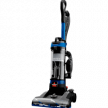


The classic upright vacuum cleaner has been in production for over a century, and it’s still used today to thoroughly clean homes. The ergonomics of an upright vacuum make it one of the most effort-efficient designs to clean large floor spaces.
If you’ve been frustrated in choosing the right upright vacuum, I’m here to help. I’ve tested and checked some of the most popular models to find out what makes a good upright vacuum, what features are out there, and what you can expect from the best-selling brands.
What to Look For When Buying an Upright Vacuum Cleaner
There are several things to look for when choosing an upright vacuum cleaner, from cord length to special features:
Weight
For the vast majority of people, lighter is better. A heavier vacuum doesn’t mean better quality, higher suction, or a more durable product. And a vacuum that tips the scale harder will be more difficult to push, more fatiguing to carry up stairs, and generally make you want to use it less.
The one exception is upright models that have weights placed inside the chassis. These are meant to increase stability, so they’re less likely to be knocked over or fall over when in use. If you’re cleaning multiple floors, you should look for an upright that has handles on the back that will help distribute the weight better to make it easier to carry up the stairs.
Suction Power
Suction power is usually measured in air watts (AW) for uprights. It reflects the vacuum’s overall cleaning power by combining vacuum pressure (how much lift a vacuum can create) and airflow, which carries dust from the nozzle into the bag. A suction power between 100 and 290 AW is probably going to get the job done.
Cord Length
Cord length determines the maximum reach of your vacuum. When you consider cord length, think about the layout of your home and where the outlets are. You don’t want to be caught in a situation where you have a dead zone where your vacuum can’t reach. You can find various cord lengths around 18–30 ft (5.5–9 m), depending on the model.
Filter Types
Most upright vacuum cleaners feature high-efficiency particulate air (HEPA) filters. These filters are made from fine-mesh fiberglass that can capture at least 99.97% of particles, such as dust and pollen.
Some models include multi-filter systems with pre- and post-motor filters that are also HEPA-grade. They also come with tightly sealed components to ensure the vacuum minimizes the risk of dust and debris escaping, making them beneficial for users with asthma and allergies.
Other types of filters found in various models include foam, felt, and activated carbon filters. Washable and reusable versions are available for each type.
Bagged vs. Bagless
Bagged and bagless uprights each have pros and cons. The right choice depends on your priority.
Bagged vacuums are more hygienic because you can simply toss the dirt bag away once it’s full. Since the debris stays contained, there’s less risk of dust plumes when you throw the bag in the trash. You also avoid seeing and smelling what’s inside. Bagged models typically have larger dirt capacities than bagless versions, so you won’t need to change bags as often.
Bagless vacuums can offer peace of mind because you don’t need to buy bags that fit your unit. This can save money and reduce waste. The downside, however, is increased exposure to dust and allergens whenever you empty the bin.
Dustbin Capacity
Dustbin or bag capacity refers to how much dirt and debris you can vacuum before you need to change the bag or empty the dustbin.
- Bagged uprights: You can expect a capacity of 0.8–1.5 gallons (3–5 liters).
- Bagless uprights: They tend to have a lower capacity, around 0.25–1.5 gallons (1–3 liters).
Noise Level
Vacuum cleaners are noisy. It’s common for a full-sized vacuum to make 72 decibels during operation, which is loud enough to drown out a normal conversation. There are vacuums that have Quiet Mode, which are usually just a reduction in power to the motor. If a vacuum has different cleaning modes, a lighter one will usually reduce the noise it makes.
Brushroll Types
Brush heads come with different types of bristles. Some specialize in cleaning hardwood without scratching it, while others are geared toward thick carpets. Getting the right one will help make sure your floors get clean.
The best brush heads tend to be made of a combination of fluffy and stiff bristles. The fluffy material, usually in fine nylon, turns the brush head into a mechanized dusting cloth, which is great at removing fine dust that adheres to hardwood. The stiffer bristles act more like a broom to sweep up larger debris and beat dust out of carpets.
On the more niche front, there are brush heads that are designed to resist and cut hair tangles. This is great for people with pets or a household where one or more members have long hair.
Ease of Cleaning
For manual vacuums, the ease of cleaning usually boils down to the synergy among the motor, brush roll, swivel joints, and handle placement. When a vacuum’s motor works well with the brush roll, you get the feeling that the unit is self-propelled. Motors with higher wattages are more likely to have this effect.
Vacuums that advertise swivel or ball joints are also going to be easier to clean with. These joints allow the vacuum to twist and turn on a dime to clean around corners and furniture better. However, if maneuverability and cleaning under furniture are most important to you, it’s best to go with a canister vacuum.
Special Features
Some upright vacuum cleaners offer special features that can make cleaning more efficient. These include:
- LED lights: Many upright vacuums come with LED lights on the main brush head. This can help you spot dust bunnies in dark places, such as under the couch.
- Dirt detection sensor: Some models have a light that tells you if the sensors detect dirt, while others even have a screen that displays the particle sizes and counts the vacuum is picking up.
- Lift-away functionality: There are upright vacuums that can detach from their base and transform into a wheelless canister. This feature allows you to more easily clean stairs and tight spaces like car seats.
- Swivel joints: If you live in a home with a lot of furniture or tight corners, you should check out an upright with a swivel joint. They come in different shapes and sizes, but they will allow you to maneuver your vacuum more easily.
What Are the Best Upright Vacuum Brands?
There are many reliable upright vacuums out there, but you can start with these top three brands to simplify your search:
Shark: Best Feature-Heavy Upright Vacuum Cleaner
Shark makes some really good general crowd pleasers, especially the higher-end uprights that come with various special features. For example, its PowerDetect vacuum has special sensors that detect dirt, walls, floors, and even direction to adjust its cleaning settings automatically.
Another one that has stood the test of time is the Shark Navigator lift-away model, which detaches the pod from its main brush head. The unit then turns into a wheelless canister you can carry to clean hard-to-reach edges and corners.
Shark vacuums also tend to come with a full set of attachments and washable HEPA filters, with replacement parts readily available on the company’s website. Shark also covers its models with a robust five-year warranty.
Oreck: Best Lightweight Upright Vacuum for Multifloor Homes
Oreck offers minimalist upright vacuum cleaners for those who prefer a slim, unobtrusive design for easy storage. The Elevate line shares the same base features, with higher-priced units adding upgrades like adjustable brush-roll speeds and swivel steering. This lets you easily choose the right model without paying for features you don’t need.
Most models are lightweight, bagged, and work on multiple floor types. However, they lack specialized features, such as those for pet hair removal, so I can only recommend this brand for general floor cleaning. All units come with a 30-day trial period to help you make sure your pick actually does the job.
Bissell: Best Upright Vacuum for Pet Hair
Bissell upright vacuums are perfect for people who just want one that’s “good enough.” They’re affordable and powerful, with a few nice-to-have features sprinkled in. Both bagged and bagless versions are available.
Most models specialize in cleaning up pet hair, with built-in brush heads designed to reduce hair wrapping around the brush roll and make cleanup easier. They also come with a hose that lets you attach pet tools and other accessories to help you reach tight areas, tackle stains, and clean specific surfaces. Even though most Bissell uprights focus on pet hair, they still work well for regular floor and upholstery cleaning.
Despite the strong suction, users have noticed Bissell’s bagless uprights can become noisier over time. This can usually be fixed by cleaning the filters and emptying the canister. Weight can be another consideration, as many models weigh 13–17 lbs (6–8 kg). However, you can also find more compact versions that weigh around 9 lbs (4 kg).