






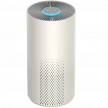


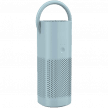
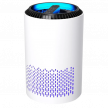
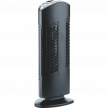
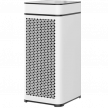

Ionic air purifiers clean the air by releasing negatively charged ions that attach to airborne particles such as dust, pollen, smoke, and pet dander. Once charged, these particles become heavier and either settle out of the air or are drawn to an internal collection plate where they form clusters. This process helps reduce airborne pollution without relying on replaceable filters – making ionic models popular for their low maintenance and quiet operation.
However, performance and safety can vary between models. In this guide, we’ll explain everything about ionic air purifiers – from essential features to reviewing popular manufacturers – to help you choose the right one for you.
For a broader overview of air purifier types, common household scenarios, and leading brands, see our general guide to air purifiers.
Ozone Emission Safety (Ioniser Type)
Ionic air purifiers use various ionisation methods to purify the air – but not all work the same way. Some produce small amounts of ozone, a by-product that can irritate the lungs at higher levels.
Negative Ion Generator
The most common ioniser type. It releases negatively charged ions that attach to airborne particles, making them cluster and fall from the air. Some include a collector plate to capture debris. These models are quiet and low-maintenance but may emit trace ozone depending on their voltage and design.
Plasma / Bipolar Ionisation
Uses both positive and negative ions to neutralise pollutants. Often found in higher-end purifiers and HVAC systems, it’s more effective against bacteria and VOCs and helps reduce odours.
Electrostatic Collector
Instead of releasing ions into the room, these purifiers draw air through charged plates that attract dust and smoke particles. They’re filter-free and easy to maintain – just wipe the plates clean.
Ozone Generator
Unlike standard ionisers, ozone generators intentionally produce ozone to neutralise odours and microbes. These are not suitable for occupied spaces, as ozone can be harmful when inhaled.
None (Filter-only)
Some purifiers rely solely on mechanical filtration – such as HEPA or activated carbon filters – with no ionisation. These are completely ozone-free and the safest choice for people with allergies, asthma, or respiratory sensitivities.
Dust Collection
Ionic air purifiers don’t always use traditional filters. Instead, many rely on electrostatic or ion-based collection systems that capture particles inside the unit. Understanding how these systems collect and store dust helps you plan for cleaning and maintenance.
Tray
Some models use a removable tray that collects dust and debris drawn in by charged ions. The tray can be easily taken out and wiped clean, offering a low-maintenance and cost-effective design.
Bag
Less common in ionic models but occasionally used in hybrid purifiers, dust bags capture particles for later disposal. They’re simple to replace but not as eco-friendly as washable systems.
Washable Bin or Basket
Many electrostatic purifiers feature a washable bin or collector basket. This reusable design helps reduce waste and ongoing costs – just rinse or wipe the bin regularly to maintain airflow and efficiency.
Regular cleaning of trays or collectors is essential to prevent odour buildup and maintain performance.
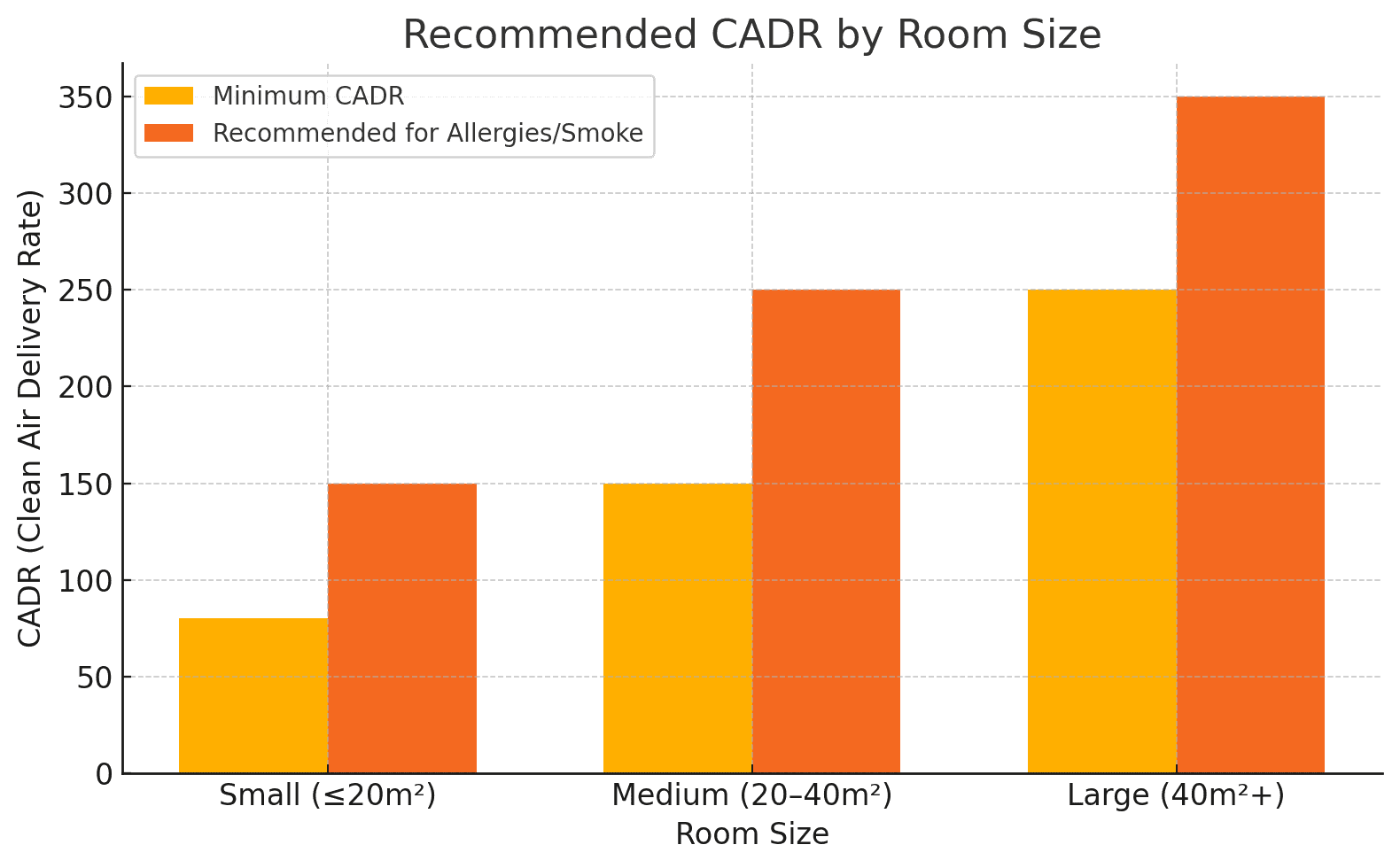
Room size performance – CADR (m³/h)
The performance of an air purifier is commonly rated using CADR (Clean Air Delivery Rate), measured in cubic metres per hour (m³/h). This indicates how effectively the purifier can remove smoke, dust, and other macro particles. It’s one of the most important characteristics of an air purifier.
Noise Level (dB)
Noise level is an important consideration, especially if you plan to use your air purifier overnight, in a nursery, or while working. Most models operate quietly, but sound levels vary between units and often, quieter operation comes at a higher price.
Energy Consumption
Energy use matters more than ever, but the good news is that ionic air purifiers typically use very little power. Before buying, check each unit’s wattage and look for models with energy-saving or automatic modes that adjust performance when air quality improves. It’s an easy way to keep your home fresh without running up your bills.
Look for Energy Star-certified models for the best efficiency.
Air Quality Sensor
Many modern purifiers include a built-in air quality sensor that continuously monitors the air and automatically adjusts fan speed.
- Yes: Automatically senses particle levels and adjusts performance in real time.
- No: Requires manual control, but can still perform effectively with consistent use.
Typical Modes & Functions
Air purifiers come with a variety of modes to adapt to your needs. Whether you require special functions for use around children and pets or need advanced scheduling options, look for these common names:
- Auto mode: Adjusts fan speed automatically based on detected and preset air quality.
- Sleep mode: Operates quietly at low speed and often dims all the lights, perfect for nighttime use.
- Child lock: Prevents little hands from changing modes by disabling the touch screen and buttons – ideal for families with children or pets.
- Fan-Only Mode: The appliance runs as a regular fan without activating filtering components (not always included, varies by model).
- Eco / Energy-Saving Mode: Reduces power consumption by lowering fan speed when the air quality is already balanced.
Filter Lifecycle
Filters require regular cleaning or replacement to keep your air purifier working effectively. Always check what filters your model uses and how frequently they need replacing to prevent performance loss or unexpected costs.
- Replaceable filters: Most HEPA and carbon filters need replacement every 6–12 months, depending on frequency of use.
- Washable filters: Some models include washable pre-filters or permanent HEPA layers.
- Both: Premium units may feature washable pre-filters combined with replaceable HEPA or carbon filters.
Advanced carbon filter
While many ionic air purifiers work without filters, some hybrid models incorporate an activated carbon filter to enhance performance. Carbon filters excel at trapping odours, smoke, and volatile organic compounds (VOCs) – pollutants that ionisation alone can’t fully neutralise.
In these systems, the ioniser removes particles such as dust and pollen, while the carbon filter absorbs gases and smells, resulting in cleaner, fresher air overall. “Advanced” carbon filters often use granular activated carbon (GAC) or impregnated carbon layers for enhanced efficiency and longer lifespan.
Maintenance Type
Ionic air purifiers require regular upkeep to maintain performance and airflow, even though most don’t rely on replaceable filters. Over time, collector plates or internal components can accumulate dust and lose efficiency, so routine cleaning is key. Always check the manufacturer’s maintenance guidance before purchase.
- No filters to replace – Many ionic purifiers use electrostatic or ion collector plates instead of filters, keeping running costs low. These systems are ideal for users who prefer minimal ongoing maintenance.
- Wipe-clean collector plate – Particles captured inside the unit build up over time, so the plates or trays should be wiped clean every few weeks to maintain airflow and prevent odours.
- Filter replacement (for hybrid models) – Some ionic purifiers combine ionisation with HEPA or activated carbon filters for better air cleaning. These filters typically need changing every 6–12 months, depending on air quality and use.
Smart Connectivity (Wi-Fi, App)
Smart tech has made its way into air purifiers too. You can now adjust settings, check air quality, or schedule cleaning cycles straight from your phone. And if you prefer going hands-free, many models work with Alexa or Google Assistant for effortless voice control.
Most apps let you control the following features of your air purifier:
Portability
If you’re going to be moving your air purifier between rooms or locations, consider its portability features, such as:
- Wheels: Best for large or heavy models.
- Handles: Useful for compact units and easy repositioning.
Design, Size, and Colours
Air purifiers come in a variety of materials and finishes – including plastic, metal, and occasionally glass – to blend with different interiors. Most are available in neutral colours such as white, grey, or black, with some models offering metallic or pastel accents for a softer look.
Light Indicators
Light indicators provide quick visual feedback on air quality and filter condition. Common indicator types include:
- LED ring: Displays air quality via colour codes (e.g., green = clean, red = polluted).
- Digital display: Shows PM2.5 readings, modes, and timer settings.
- LED indicator only: Simple lights showing power or filter alerts.
- None: Basic models with manual control only.
Certifications
It’s always recommended to check if your air purifier meets safety, performance and environmental standards. Look for certifications and any awards from trusted publications or industry bodies.
- AHAM: Verifies CADR and room coverage.
- CADR rating: Indicates cleaning speed and capacity.
- Energy Star: Confirms energy efficiency.
- Quiet Mark: Recognises low-noise operation.
Leading Manufacturers
PureMate
Best for: Budget-Friendly Options | Low Maintenance | Compact Rooms
UK-based PureMate offers a range of affordable ionic and HEPA air purifiers designed for everyday home use. Many models feature ionisation and UV-C sterilisation for enhanced air cleaning without the need for costly filter replacements. Their compact designs suit small to medium rooms, making them a solid entry-level choice for bedrooms or home offices.
Cons: Performance is moderate compared to premium brands, and build quality can vary between models.
Jonix
Best for: Ozone-Free Ionisation | Professional & Healthcare Environments | Continuous Operation
Italian manufacturer Jonix specialises in non-thermal plasma (bipolar ionisation) systems that purify air without producing ozone. Originally developed for hospitals and commercial spaces, Jonix purifiers are now used in homes seeking medical-grade air treatment. They’re built for 24/7 operation, with strong emphasis on hygiene, safety, and durability.
Cons: Higher price point than consumer-grade ionisers; minimalist design may feel industrial for home interiors.
LightAir
Best for: Silent Operation | Design-Led Homes | Filter-Free Technology
Swedish brand LightAir is recognised for its elegant, filter-free ionic air purifiers that use an electrostatic collection method. The IonFlow series combines minimalist Scandinavian design with whisper-quiet performance, making it ideal for bedrooms, living rooms, or offices where aesthetics and silence matter.
Cons: Limited coverage area and no activated carbon filtration for odour control.