






















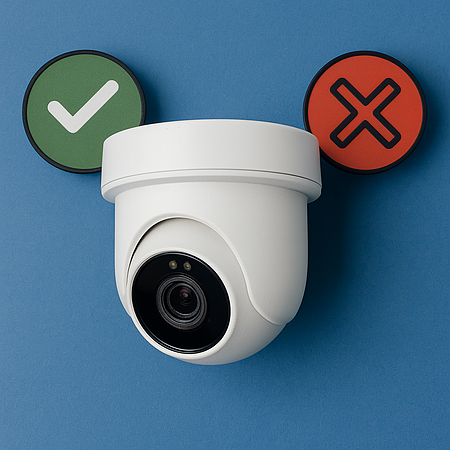
Summary: Thinking about installing security cameras? Explore the real pros and cons of surveillance cameras – from crime deterrence and remote monitoring to costs, privacy risks, and long-term value – to see if they’re worth it for your home.
Maybe you’ve moved into a new home, or you’ve recently had kids and want extra peace of mind. Whatever the reason, you may be considering getting security cameras to protect your home and family. But with so many systems, features, and price points available, it’s reasonable to ask whether surveillance cameras are actually worth the investment.
The answer depends on what you expect them to do. Cameras can deter some types of crime, provide video evidence, and let you monitor your property remotely, but they also come with upfront costs, ongoing fees, and privacy considerations that buyers don’t always factor in at the start. I’ll go over the pros and cons of surveillance cameras to help you make your decision, so you can decide whether they’re the right fit for your home and security needs.
If you’re just beginning your research, you can learn more in our main camera guide before deciding which setup fits your home and security needs.
Surveillance Camera Pros & Cons
While surveillance cameras can deter crime and help capture incidents in progress, they also come with meaningful trade-offs. Systems can cost hundreds – sometimes thousands – of dollars once equipment, storage, and monitoring are included. Internet-connected cameras also introduce cybersecurity and privacy considerations. Below is a balanced look at the key advantages and drawbacks to factor into your decision.
6 Pros of Surveillance Cameras
1. Security Cameras Can Deter Crime
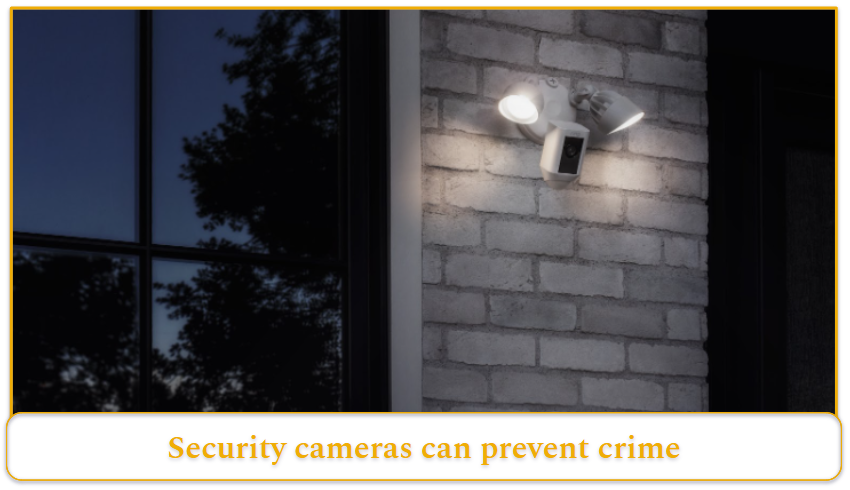
A major reason homeowners install surveillance cameras is for prevention, not just recording incidents after they happen. Cameras change how people behave around your property because they introduce the possibility of identification and evidence.
This deterrent effect is strongest when cameras are clearly visible rather than hidden. Outdoor cameras positioned near front doors, garages, or street-facing areas signal active monitoring. For someone looking for an easy opportunity (such as stealing packages or checking for unlocked cars), that added risk can be enough to make them walk away.
It’s important to set realistic expectations, though. Cameras don’t eliminate crime entirely. Instead, they tend to reduce opportunistic activity and shift attention toward less protected homes. Studies on public surveillance systems have found measurable crime reductions after cameras were installed, but they also show that some incidents relocate rather than disappear.
2. You can gather evidence of crimes
Even if security cameras don’t prevent an incident, recorded footage can provide critical evidence. This may include:
- Identifying suspects
- Documenting timelines
- Supporting police reports or insurance claims
Many modern cameras store footage in the cloud, meaning video is uploaded to remote servers rather than stored locally on a device in your home. This makes clips easy to download and share with law enforcement, even if the camera itself is damaged or stolen. You can find out how surveillance cameras work to better understand the technology behind them.
3. They Can Give You Peace of Mind
Security improvements aren’t always measurable in crime statistics. For many homeowners, simply knowing they can check their property at any time reduces anxiety, especially when traveling, leaving children at home, or living in higher-traffic neighborhoods.
While this benefit is subjective, it’s often a primary purchase driver.
4. They’re Convenient Beyond Security
Modern surveillance cameras double as general home monitoring tools. Because most connect to mobile apps, you can check in from anywhere with an internet connection. Common everyday uses include:
- Greeting children when they arrive home from school
- Giving delivery drivers instructions
- Monitoring pets
- Checking lights or appliances
If cameras include two-way audio (a built-in speaker and microphone), you can communicate in real time with anyone near the device.
5. Smart Detection Reduces False Alerts
Many modern surveillance cameras include AI-powered motion detection designed to distinguish between people, animals, vehicles, and general movement.
This matters because basic motion sensors can trigger constant alerts from passing cars, moving trees, shadows, or weather. Over time, frequent false notifications can lead homeowners to ignore alerts altogether, reducing the system’s effectiveness.
Smart detection improves accuracy by prioritizing human activity and other relevant events. Some systems also allow you to set custom activity zones, so you’re only notified about movement in specific areas like doorways or driveways.
6. Potential Homeowner’s Insurance Discount
Some insurers offer premium reductions (typically up to 5%) if you install a qualifying security system with cameras. The rationale is reduced theft and property damage risk. While savings rarely offset system costs entirely, they can slightly improve long-term value.
5 Cons of Surveillance Cameras
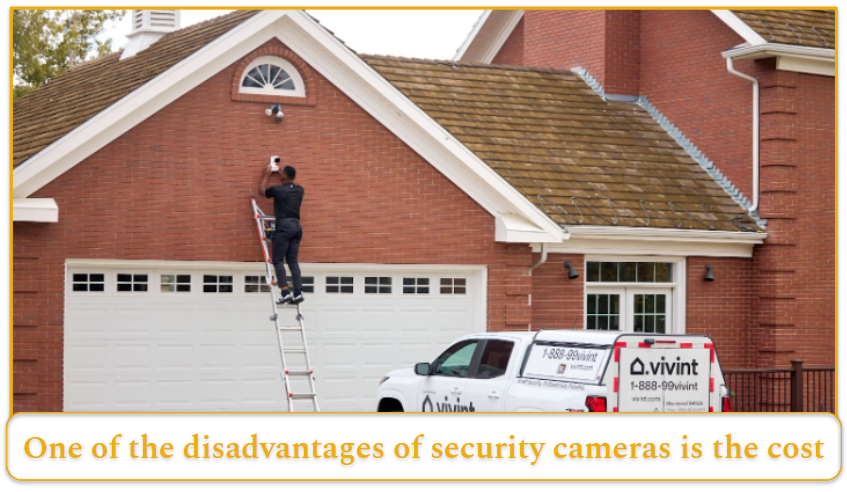
1. High Initial and Ongoing Costs
Security cameras come with both upfront and ongoing costs, which can make the total investment higher than many buyers expect. Individual cameras can range from about $20 for basic indoor surveillance cameras to $400 for advanced outdoor units with features like high-resolution video or AI detection. Since most homes need multiple cameras to cover entry points and outdoor areas, equipment costs add up quickly.
Ongoing expenses are also common. Many systems charge monthly fees for cloud storage, which stores your video footage online so you can access or download it later. Professional monitoring services (where a third party watches for alerts) can add additional monthly costs. Depending on your area, you may also need permits for monitored systems, and professional installation can add another fee. Learn about how much a surveillance camera costs before budgeting.
2. DIY Installation is a Hassle
Installing cameras yourself can save money, but it isn’t always as simple as advertised. Wired systems may require drilling, running cables, and finding power sources, all of which take time and planning. Proper placement also matters, since cameras need the right height and angle to capture useful footage while avoiding obstructions or glare.
Even wireless surveillance cameras can involve setup challenges. You may need to strengthen your Wi-Fi signal, install mounts, or purchase accessories you didn’t initially budget for. For buyers who aren’t comfortable with home installation projects, professional setup may be the easier route.
If you’re considering a self-install approach, you can learn more about how to install surveillance cameras before committing.
3. Cybersecurity Issues
Internet-connected cameras (often called IP or smart cameras) introduce cybersecurity considerations that traditional closed-circuit systems don’t face.
Because these devices connect to your home network and store footage online, they can be vulnerable to unauthorized access if not properly secured. Reported breaches in recent years have involved hackers accessing live feeds or speaking through two-way audio features. In most cases, these incidents stem from preventable issues such as weak passwords, reused login credentials, or unsecured Wi-Fi networks rather than flaws in the camera hardware itself.
By contrast, offline CCTV systems store footage locally and aren’t accessible remotely, which greatly reduces hacking risk. However, they also lack mobile viewing, real-time alerts, and cloud backups, which are features many buyers consider essential. If privacy and compliance are major concerns for you, it’s worth reviewing surveillance cameras and data protection to understand how footage should be handled and secured.
4. Privacy Concerns
Surveillance cameras don’t just record intruders; they also capture family members, guests, service workers, and potentially neighbors. Indoor cameras can feel especially intrusive, particularly in shared spaces like living rooms or kitchens. Some homeowners are comfortable monitoring entry points but avoid placing cameras in private areas for this reason.
There may also be legal considerations depending on where you live. Recording audio in public spaces or neighboring property can be subject to local privacy laws or consent requirements.
5. Limited Protection During Power or Internet Outages
Most modern surveillance cameras rely on both electricity and internet connectivity to function fully. If power goes out or Wi-Fi is disrupted, cameras may stop recording, lose remote access, or fail to send alerts. Some burglars even attempt to disable internet service before entering a property.
Systems with battery backup or local storage can continue recording during outages, but remote viewing and mobile notifications may still be unavailable until service is restored. If you plan to use local storage instead, it’s important to check which micro SD card to use with surveillance cameras to ensure compatibility and reliable recording.
Additional Factors To Consider
S. While cameras are useful for monitoring and recording activity, cameras can’t see everything. There are areas of the home, like bedrooms and bathrooms, where installing cameras would raise obvious privacy concerns.
Because of this, many homeowners use cameras as just one part of a broader security system. Additional components can include:
- Door and window sensors, which trigger an alert when an entry point is opened
- Glass break sensors, which detect the specific sound frequency of shattering glass
- Motion detectors, which sense movement in interior spaces where cameras may not be appropriate
Together, these devices focus on detecting unauthorized entry, while cameras provide visual verification of what’s happening.
In practical terms, this means budgeting beyond cameras if your goal is full-home coverage. The good news is that most entry sensors and detectors are relatively inexpensive and easy to install, often attaching with adhesive rather than requiring wiring. Cameras typically remain the largest cost driver in a security system, but they’re most effective when paired with these lower-cost detection tools.
Are Surveillance Cameras Worth It?
Whether surveillance cameras are worth it largely depends on your living situation, security goals, and comfort with the trade-offs.
For homeowners in single-family houses or townhouses, cameras often provide meaningful value. Detached homes typically have multiple entry points, outdoor areas, and package delivery exposure, which are all scenarios where visible monitoring can deter theft and provide useful evidence if something happens. In contrast, apartment dwellers may see less benefit, especially in buildings with controlled access, on-site security, or doormen. In those cases, much of the exterior risk is already managed.
Cameras can be particularly worthwhile for households with children, valuable property, frequent deliveries, or home-based businesses. The ability to check in remotely, verify activity, and document incidents can provide both practical protection and peace of mind. Property owners or managers may also benefit from remote visibility at secondary locations without needing to travel on-site.
However, cameras aren’t the right fit for everyone. If privacy concerns or cybersecurity risks outweigh the benefits for you, entry sensors and motion detectors may be a better alternative. These devices alert you when doors open or movement is detected without recording video inside your home.
If you’re unsure, a low-risk approach is to start small. Installing a single camera in a high-traffic area (such as a front entry) allows you to evaluate how often you use it and whether the functionality justifies the cost. Many brands offer trial periods or return policies, making it possible to test the value before committing to a full system.