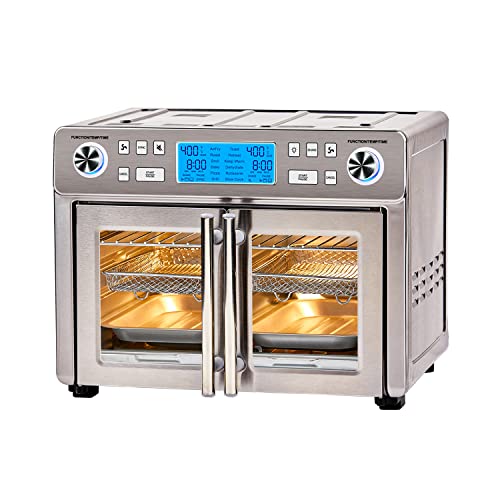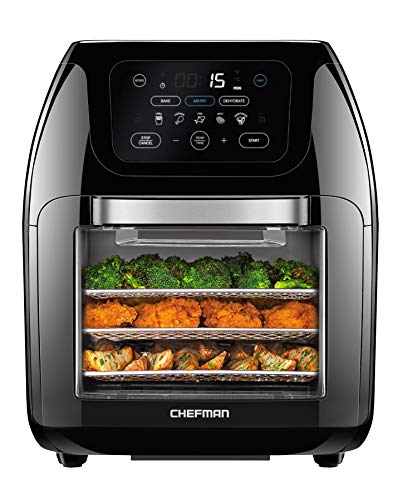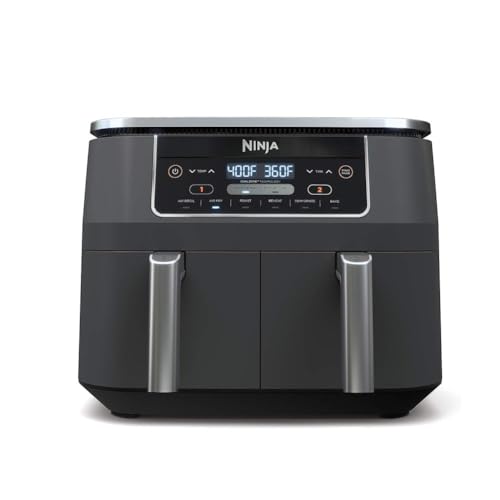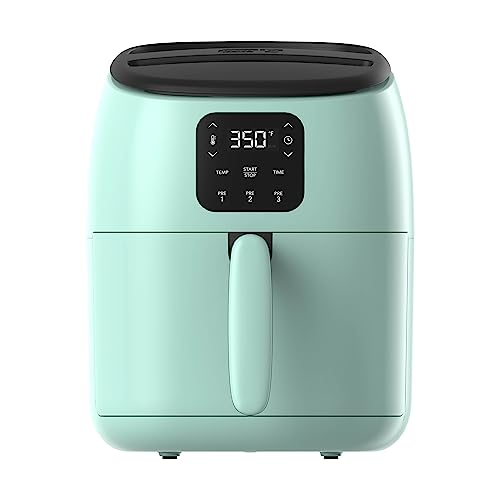


















Considering buying an air fryer but unsure if it lives up to the hype?
Air fryers have become one of the most popular kitchen appliances in recent years — and for good reason. They promise crispy, golden food with less oil, faster cooking times, and less energy use than a traditional oven.
But they’re not perfect for every situation.
Below, we break down the real benefits of air fryers (along with their limitations) so you can decide whether one makes sense for your kitchen.
Quick Answer: Why Air Fryers Are Worth It
Air fryers are worth it if you want crispy food with less oil, faster cook times than a traditional oven, easier cleanup, and lower energy use for small meals. They’re especially useful for small households, busy weeknights, and anyone trying to reduce oil without giving up crunchiness.
Top 6 Air Fryer Benefits
-
Healthier way of preparing food
Deep fried taste without the extra oil or calories.
Air fryers cook using convection heat; a heating element and high-speed fan circulate hot air around food (learn more about how it works here). This creates a crisp outer layer using far less oil than deep frying.
Instead of submerging food in oil, you can often use:
- 1 tablespoon of oil for wedges or fries
- A light spray for chicken or vegetables
- No oil at all for many frozen foods
For those watching cholesterol or calories, this makes a noticeable difference without sacrificing texture.
Learn how to use an air fryer from our guide.
-
Crispy Texture Without The Mess
Delivers a satisfying crunch for all your favorite fried foods without mess or risk.
You get evenly browned, crisp exteriors and tender interiors without:
- Handling bubbling oil
- Worrying about stovetop splatter
- Dealing with lingering grease smells
Built-in timers let you walk away while food cooks. When it’s done, you get reliable crispness with minimal effort.
-
Fast Cooking Times
Heats up quickly and cooks food faster than a traditional oven.
Compared to conventional ovens, air fryers are much smaller in size, meaning they’re also far quicker to pre-heat. Many new models don’t even require pre-heating, as this only takes one or two minutes, and for weeknight meals when everyone’s in a rush, that’s a huge benefit.
Expect frozen foods such as pizzas, burgers, French fries, chicken nuggets, and mozzarella sticks to take around 12–15 minutes to completely cook through.
-
Ideal For Small Kitchens
Works well in compact spaces without sacrificing versatility.
Air fryers are practical for:
- Dorm rooms
- RVs
- Apartments
- Compact kitchens
Even without a full oven, you can roast, bake, reheat, grill, and cook small desserts. They offer versatility in a compact footprint.
-
Energy Efficiency
Uses less electricity than an oven, especially for small servings.
Air fryers heat a much smaller space than a conventional oven, making them more efficient for small meals. Most models use 1,200–1,800 watts, but because they cook faster, total energy use is lower.
Example:
- Oven: 25–30 minutes to cook a chicken breast (~2–3 kWh)
- Air fryer: 12–15 minutes (~0.5–1 kWh)
Over time, that difference can translate into noticeable savings.
-
Easy Cleanup
Smaller, non-stick components make cleaning quicker.
Again, a small surface area is your friend here. Air fryer baskets typically have non-stick coatings and are often dishwasher-safe. While they should be cleaned regularly, the process usually takes just a few minutes – far less effort than scrubbing oven trays or dealing with oil splatter from stovetop frying.
3 Use Cases That Make Air Fryers Worth It
-
Small Households and Solo Cooks
If you’re living alone or with a partner, turning on a full-sized oven just for a few roasted vegetables, chicken tenders, or salmon steak can feel excessive. Air fryers heat up fast, cook just the right amount, and reduce energy waste (saving on energy bills). Just think – you’ll be eating in less time than it takes to preheat an oven.
-
Busy Weeknights
Juggling work, school pickups, and errands in the evening can leave little time for preparing home-cooked meals. Air fryers speed up those precious minutes in the kitchen: chicken thighs can be cooked in 15 minutes, crispy potatoes in 12 minutes, and roasted vegetables or fish can be timed precisely while you get on with homework, bedtimes, or any other tasks.
-
Reducing Oil Without Losing Flavor
Anyone watching their weight knows oil is a major culprit for adding unseen calories to food. Air fryers achieve the crispy texture of fried food using only a fraction of the oil. That means you can still enjoy golden fries, crunchy tofu, or crispy chicken without the added fat – without feeling like you’re missing out.
TIP: If any of these apply to you, learn how to choose an air fryer in this guide.
Limitations To Keep in Mind
Limited Capacity
Air fryers are compact by design, which limits portion sizes. While they’re great for small meals and small families, cooking for families with three or more children often means preparing food in multiple rounds.
They’re also less practical for batch cooking and meal prepping large quantities. Although some models offer extra-large trays or dual baskets, a conventional oven may still be the better option if you regularly need to cook larger quantities at once.
Recipes Take Trial and Error
Family classics you’re used to preparing in the oven will take a few attempts to refine in the air fryer. Leafier greens cook unevenly, and recipes that use wet batters won’t crisp up well, which can create a lot of mess.
If you’re hosting family or guests and planning to use the air fryer, be sure to try your recipes beforehand, just to check the results are what you’d expect.
Additional Storage Space Needed
Air fryers are incredibly useful tools for many families, but they will take up precious cupboard and countertop space. Check the airfryer’s dimensions if it’s something you want to pack away when you’re not using it.
How Does Air-Fried Food Taste?
Air-fried food sits somewhere between deep-fried and oven-baked. The exterior becomes crisp and golden, while the inside stays tender and juicy, but without the heavy, greasy finish that often comes with deep frying. Foods like frozen fries, breaded chicken, egg rolls, and roasted vegetables develop a satisfying crunch that still feels light rather than oily.
Because air frying uses little to no oil, the flavors feel cleaner and more balanced. Seasonings, marinades, and the natural taste of the ingredients are more noticeable. The result is food that feels crisp and indulgent, but not overly rich.
That said, air-fried food isn’t an exact replacement for deep frying. Foods that rely on wet batters, such as tempura, beer-battered fish, or doughnuts, don’t turn out as well, and the flavor won’t be quite as rich or decadent. For most everyday foods, though, the trade-off is well worth it: great texture, good flavor, and a lighter finish that’s easy to enjoy.
Are Air-Fried Foods Really Better for You?
Air fryers are marketed as a healthier alternative to deep frying, and in most cases, that’s accurate.
Why They’re Healthier Than Deep Frying
- Use circulating hot air instead of oil immersion
- Can reduce fat content by up to 70–80%
- Require far less added oil
- Lower overall calorie and saturated fat intake
For those managing cholesterol or trying to eat lighter, that reduction can make a meaningful difference over time.
Air frying may also produce fewer harmful compounds. For example, acrylamide (a chemical that can form in starchy foods cooked at very high temperatures in oil) is generally lower when food isn’t submerged in oil.
What Air Fryers Don’t Do
An air fryer doesn’t automatically make food healthy.
Because it’s convenient, it can encourage frequent cooking of:
- Frozen nuggets
- Fries
- Pastries
- Other ultra-processed foods
The biggest health benefit comes when you use it for vegetables, lean proteins, and homemade meals.
Bottom line: Air frying is a healthier cooking method than deep frying. but ingredient choices and portion sizes still matter most. Check out some of my favorite healthy air fryer recipes here.
Air Fryers vs. Other Cooking Methods
FAQs
Is food cooked in an air fryer really healthier?
Do air fryers use a lot of electricity?
What can’t you cook in an air fryer?
Avoid cooking foods with a wet batter, such as beer-battered fish, tempura, or batter-fried chicken, as the hot air circulating in the machine means the coating won’t set properly on the food, and will create a mess.