





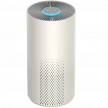





At Market.com, we know that something as simple as the air you breathe can have a powerful impact on your health, comfort, and sleep. Humidifiers are often recommended for everything from dry skin and congestion to asthma relief and nursery care—but are they always beneficial, and how can you use them safely?
In this expert roundup, leading physicians and specialists break down what you really need to know about humidifiers. From how often they should be cleaned to prevent mold and bacteria buildup, to whether they’re safe for babies, our contributors offer practical, evidence-based guidance. They also address common concerns such as whether humidifiers can worsen asthma, the risks of using tap water instead of distilled water, how to clean ultrasonic models without vinegar, and how excess humidity can contribute to mold growth in your home.
One theme stands out across every expert insight: proper maintenance and humidity control are essential. Using a hygrometer, sticking to recommended humidity ranges, choosing cool-mist models, and cleaning devices regularly can make the difference between a helpful wellness tool and a potential health risk.
Whether you’re considering a humidifier for your child’s room, managing respiratory symptoms, or simply trying to create a more comfortable indoor environment, this guide from Market.com will help you make informed, confident decisions.
How frequently should a humidifier be cleaned to keep it hygienic and functioning properly? Also, are humidifiers safe and beneficial for babies, and what precautions should parents take?
Ideally, humidifiers should be emptied daily and thoroughly cleaned at least once a week. Standing water creates an environment where mold, bacteria, and biofilm can form quickly, especially in devices with hard-to-reach internal parts. Weekly cleaning with soap and water (or diluted vinegar, per manufacturer instructions) helps prevent microbial buildup and ensures the humidifier is actually improving air quality rather than compromising it. Models designed for easy cleaning reduce risk and hassle. For example, humidifiers like Canopy use a replaceable filter and dishwasher-safe components, which can make consistent hygiene more realistic for busy households.
When used correctly, humidifiers can be helpful for babies by easing dry skin, nasal congestion, and irritation during respiratory illnesses. Parents should use cool-mist humidifiers only, keep indoor humidity between 40–50%, clean the unit regularly, and place it out of reach. Over-humidifying or using poorly maintained devices can worsen allergies or promote mold, so proper maintenance matters just as much as the humidifier itself.
Dr. Kara Wada, The Immune Confident MD
How should a humidifier be cleaned using vinegar, and when is this method most appropriate? And does a humidifier actually cool a room, or does it only affect how the air feels?
I usually clean my humidifier by filling the tank with a mix of white vinegar and water, letting it sit for about 20 minutes, then giving it a good rinse—it’s super easy and does the job well. I find this works best for regular upkeep, especially when I start noticing a bit of buildup or if the water here is a bit on the harder side.
From my experience, a humidifier doesn’t actually cool the room like an air conditioner would—it just changes how the air feels. I’ve noticed the air feels a bit fresher and less dry, which can make it seem cooler and more comfortable, especially at night, or when I have a respiratory infection.
Rebecca Wilkinson, the Beauty Editor for Bondi Beauty and Renae’s World
Is distilled water necessary for humidifiers, or are there situations where other water types are acceptable? Additionally, can a humidifier reduce snoring, and in which situations are it most effective?
Distilled water is not strictly necessary for all humidifiers, but it is considering the “Gold Standard” is highly recommended to prevent maintenance issues and ensure better air quality, particularly for ultrasonic models. While tap water is commonly used, its high mineral content can cause significant white dust, scale buildup, and potential respiratory irritation.
If distilled water is unavailable or too expensive, these options are effective substitutes: Reverse Osmosis (RO) Water, removes a high percentage of minerals and is considered an excellent second choice; Demineralized/Purified Water, available in stores and specifically treated to remove the ions that cause scale; Filtered Water: Using a Standard Pitcher Filter (like Brita) can reduce some mineral content, though it is less effective than distillation or RO.
Using tap water (especially in ultrasonic models) can lead to several problems: White Dust; Increased Maintenance; Microbial Growth and Voiding Warranty
Regarding snoring – humidifiers are most effective when snoring is caused by dry air, congestion, or allergies. Using a humidifier, keeping indoor humidity at 30–50%, keeps airways lubricated and prevents inflammation.
A humidifier it helps keeping throat and nasal tissues hydrated, which may reduce vibrations caused by dryness avoiding mouth breathing. Also, with CPAP Machines the humidifier of the majority of the devices can counteract the dryness caused by continuous positive airway pressure machines.
Susana Falardo, DMD, MSc, PhD
Other media links:
https://www.instagram.com/susana_falardo/
https://www.linkedin.com/in/susana-falardo-ramos-4899a075/
Can a humidifier help people with asthma, or can it sometimes worsen symptoms?
Humidifiers provide moisture to dry air, which will soothe airways and unblock congestion in asthmatics and in people with respiratory allergies to help them breathe easier. Proper usage of humidifiers is essential in that humidity should ideally be kept between 30-50%. The apparatus should be kept clean daily to prevent overgrowth of mold or bacteria, and distilled water should be used to fill the machine. If humidity gets too high, the environment becomes favorable to mold and dust mites which could worsen asthma. A hygrometer is a humidity gauge that can be used to keep humidity levels between 30-50%.
Opt for cool mist or ultrasonic models, ideally with built-in air purifiers, to avoid burns and reduce impurities. Always consult a doctor to make sure particular asthma triggers will be properly reduced by having a humidifier in the bedroom.
A dirty or improperly maintained humidifier can disperse irritants and unwanted pathogens into the air. Also using tap water instead of distilled water can disperse minerals into the air, potentially worsening symptoms or causing serious lung conditions like “humidifier lung.”
Hypersensitivity Pneumonitis, or humidifier lung, causes flu-like symptoms such as fever, chills, cough, and shortness of breath after exposure to contaminated mist, with chronic cases leading to fatigue, weight loss, and even lung scarring (pulmonary fibrosis). If symptoms are worse at home as opposed to outside the home, humidifier lung should be considered, and improvement will require removal of the humidifier. Symptoms should then improve within days of removing the device.
Dr. David Hecker of Hecker Dermatology Group
How proper humidity levels can improve overall sleep quality?
A common question we get at DLX Mattress is, “Will a DLX Mattress sleep warm?” The honest answer is that it depends. The mattress is part of the equation, but it’s not the whole story. Your sheets, blankets, comforter, mattress protector, and even your pillow all play a role in how warm you feel at night. What you eat and drink matters too. For example, alcohol is a vasodilator that it widens your blood vessels and increases heart rate. That means more warm blood is circulating near the surface of your skin which can make you feel hotter while you sleep.
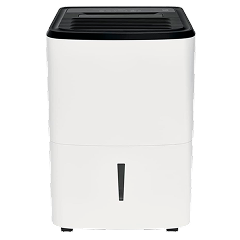
One factor that’s often overlooked is the humidity in your bedroom. High humidity makes it harder for your body to cool itself because sweat can’t evaporate efficiently. When moisture lingers in the air, the room feels sticky and heavy even if the thermostat says the temperature is comfortable. This is where a dehumidifier can make a real difference.
Using a dehumidifier in the bedroom can make the space feel significantly cooler and more comfortable by reducing humidity levels to an optimal range of about 45–50%. While a dehumidifier doesn’t actually lower the air temperature, it removes excess moisture from the air. That allows sweat to evaporate properly which is one of your body’s natural cooling mechanisms. The result is a room that feels fresher and noticeably more comfortable for sleep.
Before blaming your mattress for sleeping warm, it’s worth checking the humidity. Sometimes the fix isn’t your mattress or bedding, it’s in the air around you.
Jim Pullan Jr., President/Owner, DLX Mattress
What effective methods can be used to clean a humidifier without vinegar?
Ultrasonic humidifiers are small devices that create a cool mist to help hydrate your skin in these colder winter months.
They contain a metal diaphragm that causes the water placed in it to break down into this mist by vibration. The humidifier must be cleaned gently to avoid damage to this delicate metal diaphragm. The best cleaning method is a hydrogen peroxide solution. Mix one part hydrogen peroxide (3%) with four parts water in the tank, let it sit for 15 minutes. Then rinse thoroughly with tap water and allow it to air dry. This method disinfects the humidifier without leaving any residue or odor.
Avoid using vinegar, as it can corrode the ultrasonic metal diaphragm plate.
To keep your humidifier working and to prevent the minerals from buildup, always use distilled water instead of tap water. Regular cleaning with hydrogen peroxide and the use of distilled water will ensure that your ultrasonic humidifier produces a clean, healthy mist.
Can using a humidifier contribute to mold growth in a home, and how can this be prevented?
Water, no matter where it comes from, can contribute to mold growth, so controlling the amount of water that is in a confined living space is very important. The best way to do this is through a hygrometer that monitors the amount of water in the air that is being inspired. Let’s start with too much water. If the air is too wet then it can cause problems with respiratory health, think of mold toxins, or allergens. Too much water in the air promotes mold growth and also dust mite growth.
Dust mites are microscopic organisms that live off of our expired water and our skin cells. In beds and pillows, they can be a real problem for allergy sufferers. There are certain parts of the country where it is adventitious to remove water from the air, such as the Midwest or coastal areas. More water and mold can also be an issue when the spores decay vegetative matter and release toxins or allergens.
Other locations such as the southwest, it is important to add water to the air through a humidifier.
If the air is too dry, then a humidifier can aid in respiratory health. In addition, too little water can also be a respiratory irritant and can cause chronic cough or throat irritation. The sweet spot of humidification is somewhere between 25% and 40% humidity. Less than 25% and the air is a respiratory irritant, more than 40% and it promotes dust mite proliferation, more than 60% and it promotes mold growth. So using a hygrometer with a humidifier is the best course in my opinion when I am questioned on the subject.
Dr. Kevin Boesel of Arizona Asthma And Allergy Institute
Can tap water be used in a humidifier, and what risks does it pose compared to other water types? Also, can a humidifier help relieve nasal or chest congestion, and how does it work?
It is not recommended to use tap water in a humidifier. Distilled water is best, as this leads to less mineral build up and potentially a lower likelihood of bacterial growth.
Humidifiers can help relieve nasal and chest congestion for certain conditions. Humidifiers add moisture to dry air, which helps to decrease irritation and drying of the nasal passages. They can also help by thinning out sticky, thick mucous.
Meagan W. Shepherd, MD, The Allergy Aesthetic