





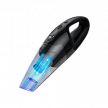


If you ever feel like your countertops, kitchen table, and car seats are always dirty, you need to look into getting a handheld vacuum. These are smaller vacuums that can be placed just about anywhere with an outlet and are always at hand when you need them.
The problem is that it’s best to look for one that suits the situation. For example, a handheld vacuum cleaner that’s designed to clean between car seats is suboptimal for kitchen use. You can figure out what’s right for you by knowing the features that specialize in common messes in your home.
What to Look For When Buying a Handheld Vacuum Cleaner
To find the best handheld vacuum cleaner for your specific needs, it’s advisable to review and compare several key factors:
Corded vs. Cordless Handheld Vacuums
Handheld vacuums come in two types: corded and cordless. Corded handhelds must be plugged in to operate, which limits mobility. However, they offer better suction power. Rechargeable cordless handhelds are better if you prioritize the convenience of cleaning anywhere.
Charging Options
If you’re choosing a cordless model, it’s also worth thinking about how you’ll charge it. Each option comes with its own advantages and trade-offs. For example, some handheld models use a charging plate where the unit sits on top to charge. This allows for easier access, but it also has a larger footprint than just a DC jack.
Your chosen charging method shapes how and where you’ll use your handheld vacuum. For instance, models compatible with 12-volt cigarette lighter sockets are great for car use, while USB-charged ones can easily plug into a desktop or laptop.
Battery Life
A cordless handheld vacuum’s battery life equates to the time you can use it. What’s considered a good battery life, however, depends on the size of the area you’re hoping to clean regularly.
For example, if you’re getting a cordless vacuum to spot clean crumbs on your kitchen table, a 10-minute battery life will suffice. However, if you expect all the hair out of your dog bed, then a more robust battery is needed.
Suction Power
Suction power describes how effectively a vacuum pulls air and debris into the unit. Brands commonly display a handheld vacuum’s suction power in air watts (AW) and pascals (Pa). Air watts combine airflow and vacuum pressure to reflect the unit’s cleaning performance, while pascals measure how strongly the vacuum can pull air.
It can be a little tricky to judge what counts as a good number for these metrics because some handhelds are basically cordless stick vacuums without the wand and the brush head. This affects how the vacuum performs in real-world use.
Attachments
The majority of handheld vacuums don’t come with a comprehensive number of attachments. So, the attachment that comes with it will dictate its best use case.
Common handheld vacuum attachments include:
- Crevice tool: A long and skinny tube with a triangular tip, best for cleaning in between cushions, behind furniture, and other tight spaces.
- Dusting brush: Oftentimes integrated into the crevice tool to help deal with crumbs and debris.
- Brush head: Best for cleaning pet hair from cushions and pet beds.
Dirt Capacity
Dirt capacity is how much dirt and debris a vacuum can hold before it needs to be emptied. Like battery life, it translates to how much cleaning you can do in one go. This is particularly important if you’re dealing with high-volume messes like pet hair.
Any handheld with a dirt capacity of 300ml or less is considered very small but will suffice if you want a vacuum for just your desk or a countertop. On the other end of the spectrum, a capacity larger than 500ml is substantial.
Filter Type
Filters like high-efficiency particulate air (HEPA) filters and activated carbon filters are often used on larger vacuum types. However, these are much less common on handheld units because many of them are designed to be “snack vacs” meant for spot cleaning debris, such as cereal and cookie crumbs.
At a bare minimum, you can expect a mesh filter. These are usually made from a net of plastic wires that help prevent large debris and clumps of dust from escaping. On the upside, mesh filters are typically washable and require replacement less often.
If you want that higher-end filter, you’re going to have to look for handheld vacuums converted from full-size cordless stick models. These versions use the same motor and filter setup but remove the wand that connects the brush head and some attachments.
Weight
Unlike other vacuum types, handhelds don’t rest on the floor, so your arm strength is constantly engaged during use. A lighter vacuum usually trades battery life and suction power for portability. On the other hand, heavier models can be more tiring and less convenient to use regularly.
Special Features
Consider special features that may improve the overall cleaning experience and make the most of what you pay for. Some features worth checking out include:
- Wet/dry function: Picks up both debris and spills. It can help cut down paper towel usage in the kitchen.
- LED lights: Help illuminate dirt and debris in dark places like under furniture.
- Extendable hose: Combines the flexibility of a canister vacuum and the portability of a handheld. It gives you more reach and allows you to free up one of your hands while cleaning.
What Are the Best Handheld Vacuum Brands?
Here are some of the brands offering handheld vacuum cleaners that stand out for different use cases:
Bissell: Best Handheld Vacuum for Pet Hair
Bissell has a simple lineup with motorized brushes that work great for cleaning pet hair and upholstery. In my experience, they’re often available at major retailers, so there’s always one on sale. However, I only recommend it for quick cleaning, as its battery life isn’t the most impressive.
Black+Decker: Best Handheld Options for Common Uses
Black+Decker is better known for its power tools, but it also offers a wide variety of handheld vacuums that come in all shapes, sizes, and different features. You can find models that can clean wet messes and those that specialize in picking up pet hair. However, after testing Black+Decker handheld vacuums, the biggest downside I found was that the battery life tended to be less than 10 minutes per charge.
Ryobi: Best Handheld Vacuum for Light DIY Projects
Ryobi is mostly known as a power tool manufacturer, but it also offers pretty good handheld vacuums that work with the brand’s 18-volt battery system. This means you can take the battery from your drill and pop it into your handheld vacuum.
Take note that the vacuum runtime will vary depending on the specific battery model you use. For example, Ryobi’s lightweight 2.0Ah battery works best for quick, light cleaning tasks. The vacuum may not last over 45 minutes, but it’s easier to use because of its low overall weight. Higher-capacity batteries provide more power and longer runtime, but they tend to be heavier.
Dyson: Best Suction for Carpets and Car Upholstery
Dyson is known for its stick vacuums that can be converted to handheld units by removing the floor wand and attaching the tool head directly to the main body. However, the brand also sells a dedicated handheld vacuum, the Dyson Car+Boat, that seems to be a repackaged version of its lightweight Dyson V8 stick model.
While Dyson’s suction power is well known for being effective on carpets and handling large amounts of dirt, its high price tag could be an issue if you’re looking for budget-friendly options.