














Juicers and blenders seem similar at first—they both turn fruits and vegetables into drinkable forms—but they work in completely different ways and suit very different habits.
The real decision isn’t just about what they make; it really comes down to how you prefer to consume fruits and vegetables, how much prep and cleanup you’re willing to do, and whether you want convenience or versatility. This guide breaks down the differences clearly so you can pick the option that actually fits your routine.
Quick Answer: Juicer vs. Blender
Choose a juicer if you want smooth, pulp-free juice that’s quick to drink and easy to digest. Choose a blender if you want more filling, fibre-rich smoothies and a versatile appliance that can handle everything from drinks to soups and sauces.
Juicer vs Blender: Key Differences
Juicer: What It’s Best For
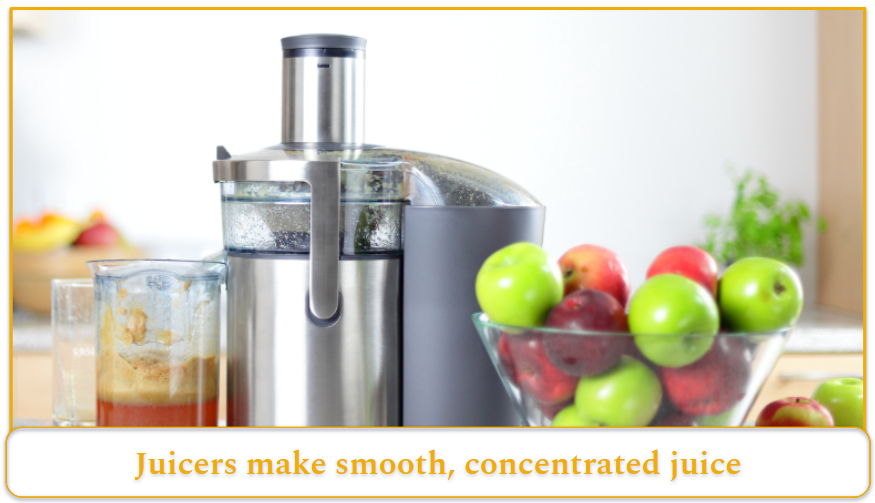
Juicers are designed to extract liquid from fruits and vegetables while separating the pulp.
Best for:
- Fresh juice (orange, apple, green juice)
- Quick nutrient boosts
- People who prefer smooth, easy-to-drink liquids
Types of Juicers
Citrus Juicers: Specifically designed for citrus fruits like oranges, lemons, and limes. They extract juice by pressing or squeezing the fruit halves, leaving the pulp and seeds behind. Citrus juicers can be manual or electric, making them fast, easy to use, and simple to clean. However, they’re limited to citrus fruits and can’t handle other types of produce.
Centrifugal Juicers: They use a high-speed flat blade to crush produce into pulp. The juice is then separated and filtered through an opening, while the solids go into a separate container. They’re fast and usually more affordable, but can heat up due to the speed of the rotating blade, which may slightly reduce some heat-sensitive nutrients.
Masticating (Slow) Juicers: They crush and press produce slowly, extracting more juice and preserving more nutrients. They’re quieter and often better for leafy greens, but they do take noticeably longer to process fruits and vegetables.
Juicer Pros
- Produces clear, nutrient-rich juice.
- Quick to drink – perfect for busy mornings or post-workout.
- Some juicers can handle a mix of fruits and vegetables, including leafy greens.
Juicer Cons
- Removes most of the fiber from fruits and vegetables.
- Less effective with low-water ingredients like ginger or leafy greens, which often need to be combined with juicer produce.
- More parts to clean (pulp container, juice jug, filters).
- Generally take up more countertop space compared to a small blender.
- Creates more waste compared to a blender, unless you use the pulp in other recipes.
Best Ingredients
- Fruits: apples, oranges, berries, pineapple, grapes.
- Vegetables: carrots, celery, cucumber, leafy greens, beetroots.
- Some models can handle ginger, turmeric, or wheatgrass.
Blender: What It’s Best For
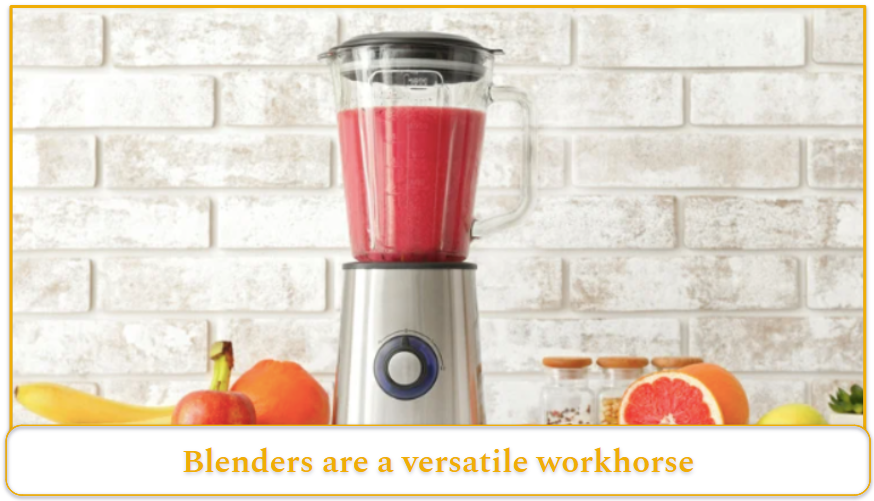
Blenders process whole ingredients, keeping everything, including fibre. That makes them more filling and far more versatile. Learn about how blenders work in this guide.
Best for:
- Smoothies and protein shakes
- Soups, sauces, and dips
- Meal prep and everyday use
Types of Blenders
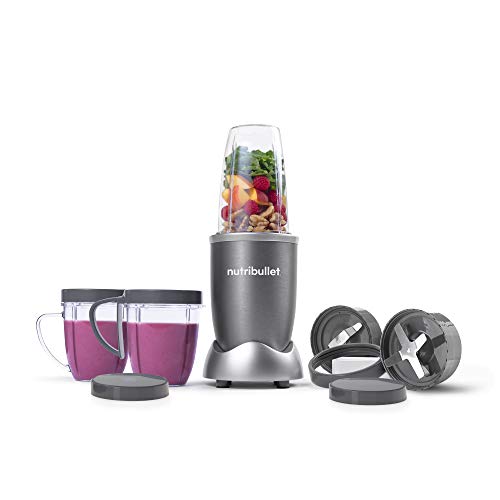
Personal Blenders: Compact and single-serve, personal blenders are ideal for smoothies, protein shakes, and other quick drinks. They’re easy to clean and store, making them perfect for small kitchens or to bring on the go. While they can handle soft fruits and leafy greens easily, they usually struggle with harder ingredients like ice, frozen fruit, or nuts.
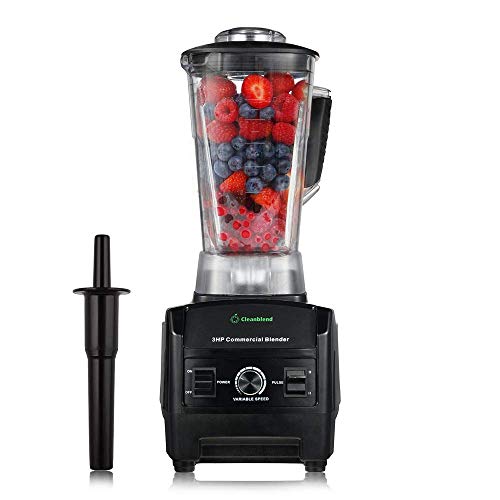
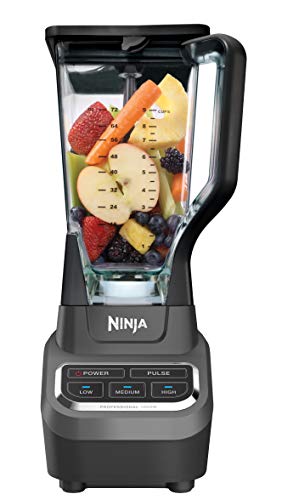
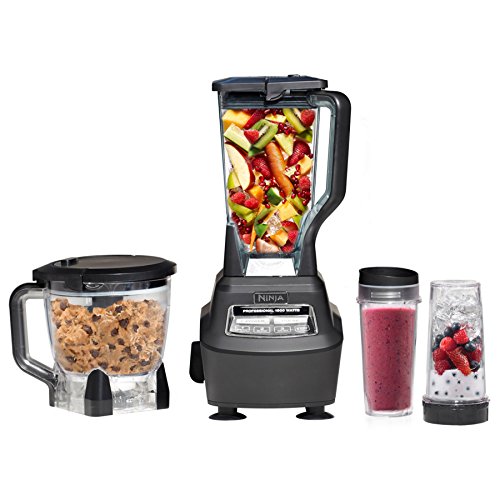
Countertop Blenders: These larger blenders have more powerful motors and bigger jars, allowing them to handle tougher ingredients such as ice, frozen fruits, and harder vegetables. They’re great for smoothies, soups, sauces, and even batters.
Most countertop blenders come with multiple speed settings, and some have preset programs for specific recipes. Cleaning can take a bit more time compared to personal blenders, but many models have dishwasher-safe parts or self-cleaning functions.
High-Speed Blenders: Extremely powerful, high-speed blenders can crush ice, nuts, and seeds with ease. They’re perfect if you want very smooth textures or need to process tougher ingredients quickly. Because of their powerful motors, they can heat liquids slightly during blending, and they tend to be larger and more expensive than other blenders.
Immersion Blenders: Also called hand blenders, these are handheld and convenient for blending soups and sauces directly in the pot or bowl. They’re easy to clean and store but are less effective for smoothies or frozen drinks, and they can struggle with harder ingredients. Some models come with attachments like whisks or mini choppers for extra versatility.
Read more about the different types of blenders here.
Blender Pros
- Retains fiber, making drinks more filling and reducing waste.
- Can handle a wider range of ingredients, including ice, frozen fruit, nuts, and seeds.
- Versatile: besides smoothies, can make soups, sauces, nut butters, or even pancake batter.
Blender Cons
- Can’t separate juice from pulp.
- Drinks are thicker; may need extra liquid for consistency.
- Some high-powered models are bulky and expensive.
Best Ingredients
- Fruits: berries, bananas, mango, melon, apples.
- Vegetables: spinach, kale, carrots, cucumber, avocado.
- Extras: seeds, nuts, protein powder, yogurt, oats.
Cleanup & Maintenance
Juicers
- Multiple parts (filter, pulp container, chute)
- Needs rinsing immediately
- More time-consuming
Blenders
- Fewer parts
- Often dishwasher-safe
- Some have self-cleaning mode
Juice vs Smoothie: What’s the Real Difference?
This is the most important distinction.
Juice
- No fibre
- Fast to drink
- Less filling
- More concentrated
Smoothie
- Contains fibre
- Slower digestion
- Keeps you full longer
- More balanced as a meal/snack
If you want quick intake → juice (juicer)
Which One Should You Choose?
Choose a juicer if you:
- Prefer smooth, pulp-free drinks
- Want quick, drinkable nutrition
- Don’t mind extra cleanup
- Mainly want juice, not meals
Choose a blender if you:
- Want filling smoothies or meal replacements
- Plan to use it for cooking (soups, sauces, etc.)
- Want one appliance that does more
- Prefer easier cleanup