







Blenders and mixers are both kitchen staples, but they solve completely different problems. One is built to break ingredients down into smooth liquids, while the other is designed to combine and aerate thicker mixtures.
The confusion usually comes from overlap in everyday language; you “mix” things in a blender and a mixer. But in practice, they behave very differently, and choosing the wrong one can make simple tasks frustrating.
This guide breaks down what each appliance actually does, where each one excels, and which makes more sense for your kitchen.
Quick Answer: Blender vs. Mixer
Choose a blender for smoothies, soups, and anything liquid or smooth. Choose a mixer for baking, whipping, and kneading dough. If you only want one appliance, a blender is more versatile for everyday use, while a mixer is essential for baking.
Blender vs. Mixer: At-A-Glance Comparison
Blender: Versatile Workhorse and Kitchen Staple
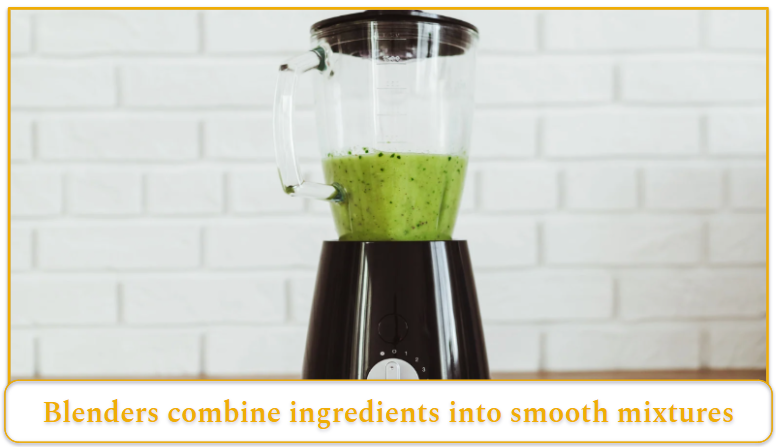
Blenders are designed to break ingredients down into a smooth, consistent mixture. They work by spinning blades at high speed, creating a vortex that pulls ingredients down and blends everything evenly. (Read more about how blenders work in this guide).
This makes them ideal for liquids and soft ingredients, but powerful models can also handle tougher inputs like ice, frozen fruit, nuts, and seeds.
Where Blenders Work Best
Blenders are the right tool when you want smooth, drinkable, or pourable results. That includes smoothies, protein shakes, soups, sauces, and even things like nut butters or pancake batter.
They’re also the more versatile option overall. Even if you don’t cook much, a blender still fits into daily routines more easily than a mixer.
Types of Blenders
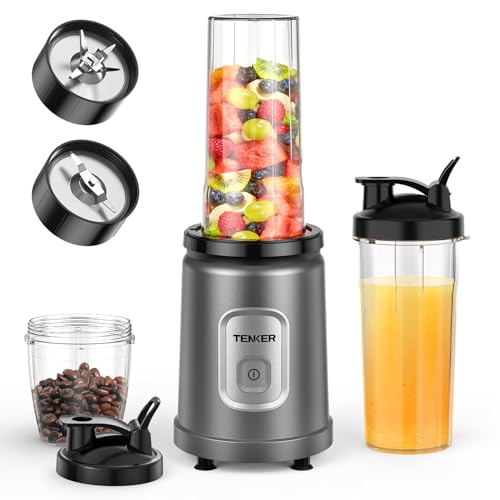
Personal Blenders: Compact and single-serve, personal blenders are ideal for smoothies, protein shakes, and other quick drinks. They’re easy to clean and store, making them perfect for small kitchens or to bring on the go. While they can handle soft fruits and leafy greens easily, they usually struggle with harder ingredients like ice, frozen fruit, or nuts.
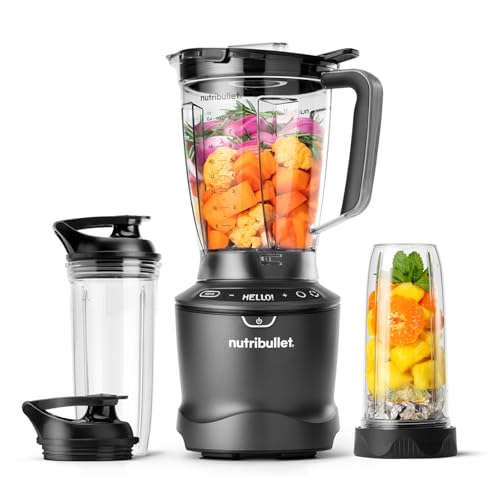
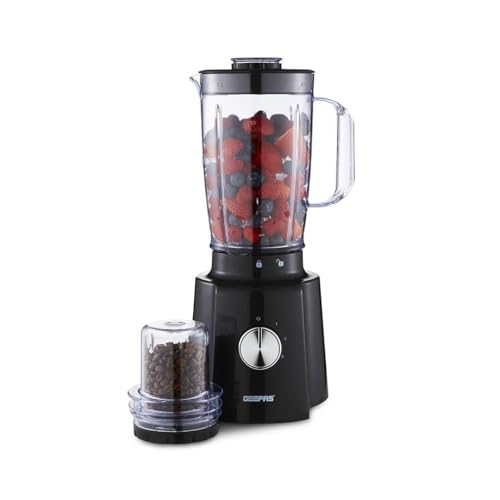
Countertop Blenders: These larger blenders are more powerful, making them great for smoothies, soups, sauces, and even batters. Most countertop blenders come with multiple speed settings, and some have preset programs for specific recipes.
High-Speed Blenders: High-speed blenders are extremely powerful and can crush ice, nuts, and seeds with ease. They’re perfect if you want very smooth, restaurant-grade textures or need to process tougher ingredients quickly. Because of their powerful motors, they can heat liquids slightly during blending, and they tend to be more expensive than other blenders.
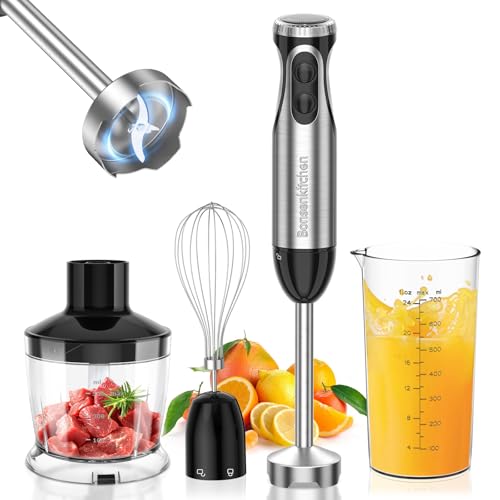
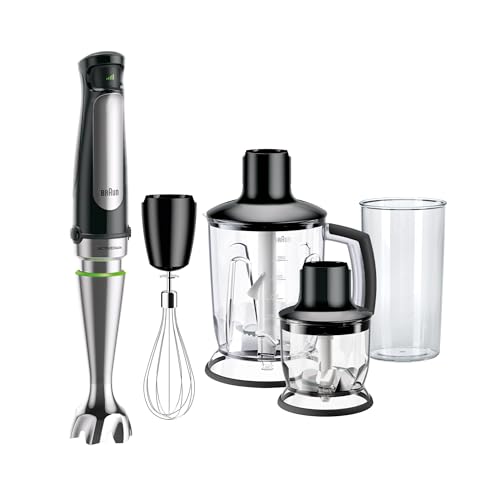
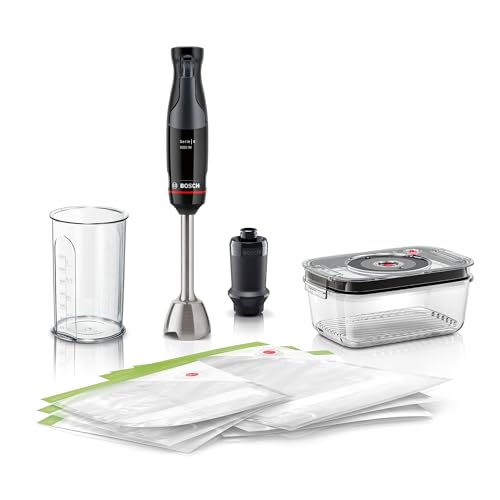
Immersion Blenders: Also called hand blenders, these are handheld and convenient for blending soups and sauces directly in a pot or bowl. They’re easy to clean and store but tend to struggle with harder ingredients. Some models come with attachments like whisks or mini choppers, adding a bit of versatility without taking up much space.
What a Blender Can’t Do
- Not suitable for whipping, beating, or kneading dough.
- Can’t create light, airy textures like whipped cream or meringue.
Best Ingredients
- Fruits: berries, bananas, mango, melon, apples.
- Vegetables: spinach, kale, carrots, cucumber, avocado.
- Extras: seeds, nuts, protein powder, yogurt, oats.
Mixer: Must-Have for Baking and Texture Control
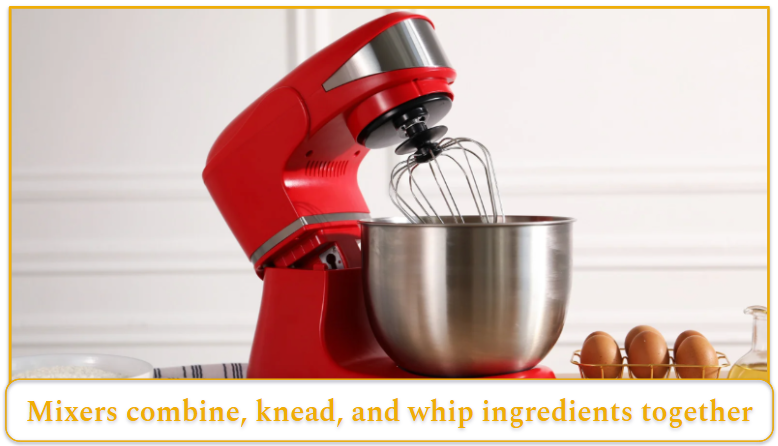
Mixers are designed for combining ingredients without breaking them down completely, making them essential for baking.
Instead of blades, mixers use attachments like beaters, whisks, and dough hooks to mix ingredients at much slower speeds than a blender. This allows for better control over texture, whether you’re gently folding ingredients or whipping air into cream or egg whites.
Where Mixers Work Best
Mixers shine when you need precision and texture control. That includes cake batter, cookie dough, whipped cream, and bread dough. They’re especially valuable when working with thicker mixtures that would stall or damage a blender.
Types of Mixers
Hand Mixers: Compact and lightweight, hand mixers are great for everyday tasks like mixing cake batter, whipping cream, or beating eggs. They’re easy to store and more affordable, but they require you to hold and control them during use, and they may struggle with thicker doughs.
Stand Mixers: Larger and more powerful, stand mixers are designed for hands-free mixing. They’re ideal for baking enthusiasts, especially for tasks like kneading dough or mixing large batches. Most stand mixers come with multiple attachments, such as dough hooks, whisks, and paddle beaters, and some models offer additional accessories for even more versatility.
What a Mixer Can’t Do
- Not suitable for liquids or smoothies.
- Less versatile outside baking tasks.
- Stand mixers can be bulky and take up counter space.
Best Ingredients
- Baking: cake batter, cookie dough, bread dough.
- Dairy: cream for whipping, butter for creaming.
- Eggs: whipping egg whites or mixing whole eggs.
Which One Should You Choose?
Whether a blender or a mixer is right for you depends on what you usually make in the kitchen.
For Smoothie Lovers
If you regularly make smoothies, soups, or sauces, a blender is the better choice. It’s designed for liquids and soft ingredients, and it can quickly produce smooth, consistent results.
For Bakers
If you enjoy baking cakes, cookies, or bread, a mixer is essential. It allows you to mix batter evenly, whip cream, and knead dough with ease – tasks that a blender simply can’t handle.
For Everyday Cooking
A blender is generally more versatile for everyday use. Beyond drinks, it can help with soups, sauces, and simple food prep tasks.
For Dough and Bread Making
If you often make bread or pizza dough, a stand mixer is the best option. It can handle thick, heavy mixtures without straining, saving you time and effort.
For Small Kitchens or Limited Storage
If space is limited, a personal blender or a hand mixer are both good and compact options. Stand mixers and large countertop blenders take up more room, so they’re better suited for larger kitchens.
For Multi-Taskers
If you want one appliance that can do a bit of everything, a blender is the more versatile choice. While it won’t replace a mixer for baking, it covers a wider range of everyday kitchen tasks.
To Sum Up
Blenders and mixers may seem similar, but they’re designed for very different tasks. Blenders are best for liquids, smooth mixtures, and versatile everyday use, while mixers are essential for baking, whipping, and mixing thicker ingredients like dough.
Your choice ultimately depends on what you make most often. If you prefer smoothies, soups, and sauces, a blender will give you more flexibility. If you bake regularly or work with dough, a mixer is a better investment.