









Summary: Most hair dryers promise the same results, but a few key features make all the difference. Understanding what actually affects drying time, frizz, and heat damage can completely change how your hair looks and feels.
Choosing a hair dryer sounds simple, until you start looking. Wattage, ionic technology, ceramic vs titanium, dozens of attachments – it’s easy to get lost in specs that don’t always translate into better results. At the same time, the wrong dryer can leave your hair frizzy, over-dried, or just take far longer than it should.
Let’s go over what actually matters when shopping for hair dryers. I’ll walk through the different types of hair dryers, the features that impact performance, and how to match them to your hair type and routine. The goal isn’t to find the most advanced dryer – it’s to find one that works well for you, day to day.
Which Hair Dryer Should You Buy?
- For fine or damaged hair: Look for lower heat settings, a reliable cool shot, and even heat distribution (ceramic or tourmaline). You don’t need maximum wattage – control matters more than power to avoid overdrying and breakage.
- For thick or long hair: Prioritize higher wattage (around 1800W+), strong airflow, and a concentrator nozzle. More power helps reduce drying time, which actually limits overall heat exposure.
- For curly or textured hair: A good diffuser is essential. Pair it with adjustable heat and speed settings so you can dry gently without disrupting your natural curl pattern or creating frizz.
- For smooth, blowout-style finishes: Choose a dryer with a well-designed concentrator and consistent heat control. Materials like ceramic or tourmaline can help create a smoother finish, but airflow and technique matter just as much.
- For everyday convenience: Focus on weight, balance, and ease of use. A lighter dryer with intuitive controls often makes more of a difference than extra features you rarely use.
- For travel and portability: Look for a compact, foldable design with dual voltage if you travel internationally. Power may be lower, but convenience and compatibility matter more.
- If you plan to use it for years: Don’t cut corners on build quality. A well-balanced dryer with consistent performance and an easy-to-clean filter will last longer and perform better over time.
What Types of Hair Dryers Are There?
There are three main types of hair dryers: handheld, hooded, and pet dryers. Each serves a different purpose, and the right choice depends on how you plan to use it.
Handheld Hair Dryers (Best for Most People)
When most people think of a hair dryer, they’re picturing a handheld model. These are designed to be held and moved around the head, which makes them suitable for both drying and styling.
Their versatility is what makes them the default choice. Most handheld dryers include multiple heat and speed settings, along with attachments that help shape your hair as you dry. For everyday use, this is the type most people should choose.
Within this category, you’ll also see some variation:
- Professional models tend to offer more power, more settings, and better durability, but they’re often heavier.
- Travel models are lighter, small hair dryers, and usually foldable, making them easier to pack, though they may sacrifice some power.
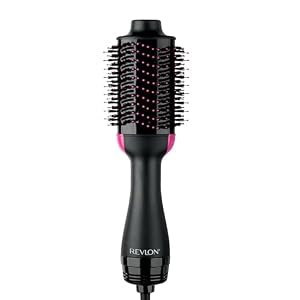
You may also come across hybrid tools like hot air brushes, which combine a dryer and a styling brush in one device. These are designed primarily for creating smooth, blown-out styles rather than general drying, and they’re less effective for very thick, curly, or coarse hair.
Hooded Hair Dryers (Best for Even, Hands-Free Drying)
Hooded hair dryers sit over your head and provide consistent, all-around heat. You’ll often see them in salons, where they’re used for both drying and heat-based treatments.
There are two main types:
- Soft hooded (bonnet) dryers use a flexible, fabric hood connected to a hose. These are more portable and easier to store.
- Hard hooded dryers use a rigid plastic dome and are usually mounted on a stand or base.
Because they don’t need to be held, hooded dryers are a good option if you want hands-free drying, have thick or dense hair that takes longer to dry evenly, or are maintaining styles like roller sets or twist-outs.
Pet Hair Dryers (Best for Thick Fur and Undercoats)
Pet hair dryers are built differently from standard models. Instead of relying heavily on heat, they use high-powered airflow to push water out of thick fur and undercoats.
They’re typically larger and more powerful, with motors often measured in horsepower rather than watts. This extra airflow is necessary to remove moisture trapped deep within an animal’s coat, something a regular hair dryer struggles to do.
These are mainly useful for at-home grooming, especially if you have a dog with a thick or double coat. For smaller pets or occasional use, a standard hair dryer on a low setting may be enough, but for heavier grooming needs, a dedicated pet dryer is much more effective.
What Features Matter Most in a Hair Dryer?
Not all hair dryers perform the same, even if they look similar on the surface. The difference usually comes down to a handful of key features, like power, heat control, and airflow, that directly affect how fast your hair dries and how it looks afterward.
Understanding how these elements work together will make it much easier to separate genuinely useful features from marketing claims.
How Much Power Do You Actually Need? (Wattage)
Wattage refers to how much electrical power the dryer uses. In practical terms, higher wattage means the dryer can generate more heat and stronger airflow, which helps remove moisture faster. Most handheld and hooded dryers fall between 1200 and 2000 watts, while pet dryers are typically measured in horsepower (1 horsepower ≈ 735 watts).
Hair type plays a big role here. Fine or fragile hair dries quickly and is more vulnerable to heat damage, so lower wattage is usually enough. Thicker or curlier hair retains moisture longer, so higher wattage helps push heat and airflow deeper into the strands.
It’s also worth noting that wattage reflects potential power, not constant output. A higher-watt dryer gives you more headroom, but you can still use lower heat settings for everyday drying. Power plays a bigger role than most people expect, so it helps to read our guide on how many watts does a hair dryer use before choosing a model.
Materials and Technology (Ceramic, Tourmaline, Ionic)
The internal materials of a hair dryer influence how heat is distributed and how your hair behaves during and after drying.
- Ceramic components heat evenly, which helps prevent hot spots that can damage hair
- Tourmaline is a mineral that enhances the production of negative ions
- Titanium is lightweight and heats up quickly, but it tends to run hotter and can be less forgiving on fine or damaged hair
Many dryers combine ceramic and tourmaline to support ionic technology. Ionic dryers release negative ions into the airflow, which help break down water molecules more efficiently. This can reduce drying time and limit static buildup, resulting in smoother, less frizzy hair. The impact is most noticeable for people prone to frizz or humidity-related puffiness.
For a clearer comparison of technologies, you can check out our ceramic vs ionic hair dryer guide to see which works best for your hair type.
What About Infrared Technology?
All hair dryers produce heat within the infrared spectrum, but some models are specifically designed to emphasize infrared output. The idea is that infrared heat penetrates the hair more evenly rather than sitting only on the surface. This can, in theory, reduce drying time and lower the risk of overheating the outer layer of the hair.
In practice, the difference is often subtle. Core factors like wattage, airflow strength, and temperature control have a much bigger impact on performance.
Heat and Speed Settings (And Why They Matter)
Heat and speed settings give you control over how aggressively the dryer works. Higher heat and airflow help remove moisture quickly, which is useful at the beginning of your drying routine. As your hair becomes drier, continuing at high heat increases the risk of damage and frizz. Lower settings allow you to finish more gently and refine your style.
Most dryers offer two or three heat settings and at least two speed options. Higher-end models may provide more granular control, but even a simple setup can be effective if the settings are well-balanced.
Cool Shot: Small Feature, Big Impact
The cool shot function switches the airflow from hot to cool at the press of a button. This is particularly useful at the end of your routine. Cool air helps set your hair in place, smooth the cuticle, and reduce frizz after heat styling. It also gives your scalp a break from continuous heat exposure. While it might seem like a minor feature, it plays an important role in finishing your style.
Weight, Handling, and Ease of Use
Even though most handheld dryers only weigh between two and three pounds, that weight becomes more noticeable the longer you hold it. If you have long or thick hair, drying can take several minutes, and a heavier dryer can quickly lead to arm fatigue. Lighter models make a bigger difference than you might expect, especially for frequent use.
Ergonomics also matter. A well-balanced dryer with a comfortable grip is easier to control. Features like longer handles, textured grips, and intuitive button placement all contribute to a smoother experience. Some brands publish their manuals online, which can help you understand how the controls are laid out before you buy.
Noise Levels and Motor Type
Noise levels vary depending on the motor and how efficiently the dryer operates. Models with brushless or DC motors tend to be quieter and may last longer than traditional designs. Some dryers also include internal sound-dampening features.
However, there’s a trade-off to consider. More powerful dryers can be louder in the moment, but because they dry hair faster, your overall exposure to noise may actually be lower.
Filter and Maintenance
Hair dryers rely on consistent airflow. When lint and hair build up in the filter, airflow becomes restricted. This reduces efficiency and puts extra strain on the motor, which can shorten the lifespan of the device.
Most handheld dryers use a simple mesh filter at the air intake. Pet dryers often include additional layers, such as foam or fiberglass, to handle finer debris.
A removable filter is essential for maintaining performance over time. The easier the filter is to remove and clean, the more likely you are to maintain it properly. For a step-by-step walkthrough, you can read our guide on how to clean a hair dryer to keep performance consistent.
Storage, Portability, and Practical Details
If you travel frequently or have limited space, practical design features become more important. Foldable handles and compact designs make a dryer easier to pack, while included storage bags help keep attachments organized. For hooded dryers, features like wheels or stands can affect how easy they are to move and set up.
Wall mounting is another option for keeping your space organized. Some wall-mounted hair dryers come with dedicated mounts, while others require separate installation. This won’t affect performance, but it can make your routine more convenient.
What To Focus On First
Power, airflow, and heat control have the biggest impact on performance. Once those are covered, features like materials or infrared can improve results, but they shouldn’t be the deciding factor.
How Do Hair Type and Hair Length Affect Your Choice?
Hair dryers don’t perform the same across different hair types. What works well for someone with fine, straight hair can feel frustratingly slow or ineffective on thick curls, and vice versa. That’s why understanding your hair (even at a basic level) makes it much easier to choose the right dryer and avoid unnecessary damage.
Understanding Hair Type (Without Overcomplicating It)
Hair type is typically described using a number and a letter.
The number (1–4) refers to how your hair forms as it dries:
The letter (A–C) refers to strand thickness:
So if someone describes their hair as 4A, it means their hair forms tight spirals, but the individual strands are fine. You don’t need to memorize this system, but it’s helpful when reading reviews or product descriptions.
What This Means in Practice
Hair type isn’t just a label – it directly affects how your hair dries and what kind of dryer will work best. Curly or coily hair tends to trap moisture, especially toward the center of each curl. That’s why it often takes longer to dry and benefits from stronger airflow and higher wattage.
Straight or fine hair dries much faster, but it’s also more vulnerable to heat damage. Too much heat can leave it looking flat, frizzy, or even slightly burned at the ends.
Attachments also come into play. Diffusers are designed to spread airflow gently, which helps maintain curl patterns. Concentrators focus airflow, which is better for smoothing and straightening.
Matching Features To Your Hair Type
Once you understand your hair type, it becomes much easier to prioritize the right features. If your hair is fine or straight, you’ll generally want lower heat, more control, and features like a cool shot to prevent overdrying.
If your hair is thick, coarse, or curly, higher wattage and stronger airflow will make a noticeable difference in drying time. Without enough power, you may find yourself using high heat for longer, which can lead to damage anyway. Ultimately, there’s no single “best” setting – it’s about matching the tool to how your hair behaves.
How Hair Length Changes Things
Hair length doesn’t affect the type of dryer you need as much as how comfortable it is to use.
- Short hair (around ear length or above) dries quickly and doesn’t require much effort.
- Medium-length hair can vary, but usually takes a bit longer and benefits from adjustable settings.
- Long hair, especially thick or dense long hair, takes the most time and effort to dry. This is where weight and ergonomics start to matter more.
Holding a dryer for several minutes can get tiring, and heavier models can make the process feel much longer than it actually is.
One Last Thing To Keep in Mind
Hair type and hair length work together. Someone with short, fine hair has very different needs than someone with long, coarse curls. The goal isn’t to find the most powerful dryer or the one with the most features – it’s to find one that matches how your hair behaves day to day.
Which Attachments Do You Actually Need?
Attachments are what turn a hair dryer from a basic drying tool into a styling tool. You don’t need a dozen of them, but the right one can make a noticeable difference in how your hair looks and behaves. Most people only need a couple of core attachments to cover the basics.
The Three Essential Attachments
The concentrator nozzle is the most commonly used attachment. It narrows the airflow into a more controlled stream, which makes it easier to smooth the hair and direct heat exactly where you want it. This is what you’ll typically use for blowouts or sleek styles.
The diffuser spreads out air instead of concentrating it. This reduces disruption to the hair, which helps maintain natural curl patterns and limits frizz. If you have wavy, curly, or coily hair, this is one of the most useful attachments you can have. It helps to see our guide to diffuser vs hair dryer to understand how each affects your results.
The pick attachment is useful for textured or tightly curled hair. It helps separate strands and add volume while drying, especially at the roots.
Specialty Attachments (And Whether You Need Them)
Beyond the basics, many brands offer additional attachments designed for more specific styling goals. Some of these combine airflow with built-in styling tools. For example, certain models include heated brush attachments that help create volume while drying. Others offer variations designed to target frizz or improve shine.
Brands like Dyson and Shark have popularized these kinds of add-ons, with tools designed to smooth hair, add lift, or make styling more efficient.
You’ll also find variations of the standard attachments. Diffusers may have deeper bowls or longer prongs for thicker hair. Picks can have wider teeth to handle coarse textures. Even concentrators can vary in width depending on how focused you want the airflow to be.
What Makes a Hair Dryer Easier To Use?
Performance matters, but day-to-day usability is what determines whether a hair dryer feels effortless or frustrating. Small design details like cord length, handling, and overall setup can make a bigger difference than you’d expect, especially if you use your dryer frequently.
Cord Length and Power Safety
Cord length directly affects how and where you can use your hair dryer. A shorter cord can feel restrictive, especially if your outlet isn’t close to a mirror or if you’re working in a tighter space.
This becomes even more noticeable when travelling. Hotel rooms and Airbnbs don’t always have conveniently placed outlets, so a longer cord gives you more flexibility and makes the dryer easier to use in unfamiliar setups.
It’s also worth paying attention to whether the cord includes a GFCI (Ground Fault Circuit Interrupter). This is the bulky section you sometimes see on the plug itself. It monitors electrical flow and shuts the dryer off if it detects a fault, helping prevent electric shock. In newer homes, GFCI protection is often built into bathroom outlets. But when travelling or using older wiring, having it built into the cord adds an extra layer of safety. If you travel often, it’s worth reading our guide on can you bring a hair dryer on a plane so you know what to expect.
Hose Length (For Hooded and Pet Dryers)
Hose length only applies to soft hooded and pet hair dryers, but when it matters, it really matters. For soft hooded dryers, the hose connects the motor to the bonnet. Its length determines how freely you can sit or move while using it. A shorter hose can feel restrictive, especially if you’re trying to sit comfortably or multitask.
For pet dryers, hose length affects reach. If you’re drying a larger dog or working around a kennel or grooming table, a longer hose makes it much easier to move around and cover the entire coat.
Controls, Balance, and Everyday Handling
Beyond cords and hoses, small design details can make a big difference in how a dryer feels in use.
Control layout is one of them. Some dryers use toggle switches that stay in place, while others use push buttons. Poor placement can lead to accidentally changing settings mid-use, which gets frustrating quickly.
Balance is just as important as weight. Two dryers might weigh the same, but the one with better weight distribution will feel noticeably easier to hold and control.
You might also notice features like swivel cords, which allow the cord to rotate as you move. It sounds minor, but it helps prevent tangling and makes the dryer easier to maneuver.
What Affects Longevity and Maintenance?
A hair dryer doesn’t require much upkeep, but a few simple habits can make a noticeable difference in how long it lasts and how well it performs. Most hair dryers last around 3 to 5 years, and proper care helps you stay on the longer end of that range.
- Keep the filter clean. Lint and hair build up over time, which can reduce performance and cause the dryer to run hotter. Cleaning the filter regularly is one of the easiest ways to maintain consistent airflow and avoid unnecessary strain on the motor.
- Use heat settings strategically. Constantly using the highest heat setting increases wear on the internal components. A better approach is to start with a higher heat, then switch to a lower setting as your hair dries.
- Store it properly. Avoid wrapping the cord tightly around the handle, as this can damage the wiring over time. Let the dryer cool down before putting it away, and use a storage bag if you travel frequently.
- Pay attention to performance changes. Weaker airflow, inconsistent heat, or unusual smells are signs that the dryer is wearing out. Continuing to use it can make drying less effective and potentially expose your hair to more heat than necessary.
Pricing and Value: What Do You Actually Need To Spend?
Hair dryers range from very affordable to premium, but price doesn’t always reflect how well they perform. In most cases, you’re paying for a mix of power, control, build quality, and design, not just drying ability.
- Budget (€20–€50): Basic models that get the job done but offer limited control. Best for fine or short hair or occasional use.
- Mid-Range (€50–€120): This is the sweet spot for most people. You’ll typically get stronger airflow, multiple heat settings, and better overall control, which makes everyday drying easier and more consistent.
- Premium (€120+): Higher-end dryers focus on comfort and refinement, like lighter weight, faster drying, and quieter operation. Useful if you dry your hair often, but not essential for everyone.
For most people, a mid-range dryer offers the best value. Spend more if you want a more comfortable, polished experience – but get the fundamentals right first.
What Actually Adds Value
Focus on the basics:
- Consistent power and airflow
- Multiple heat settings
- A good concentrator or diffuser
- Comfortable weight and balance
Which Hair Dryer Brands Are Actually Worth Considering?
There’s no single best brand, but some consistently stand out for performance, reliability, or value. The key difference between them usually comes down to how they balance power, usability, and price. Below is a quick overview of the most common brands, followed by a side-by-side comparison to help you narrow things down.
Dyson
Dyson sits firmly in the premium category, with a focus on engineering and design. Its dryers are known for fast, controlled airflow and intelligent heat regulation, which helps reduce the risk of heat damage. They’re also more refined in terms of balance and noise than many competitors. The main drawback is price – you’re paying for the overall experience, not just drying performance.
Shark
Shark focuses on versatility and feature-heavy designs. Many models come with multiple attachments and customizable settings, which can be appealing if you like experimenting with different styles. They generally offer strong value for the features included. The trade-off is that they can feel more complex than necessary for everyday use.
T3
T3 is often associated with salon-quality results. Its dryers are typically lightweight, well-balanced, and designed to produce smooth, frizz-controlled finishes. Features like HeatID aim to tailor settings to your hair type, which can help prevent overdrying. Pricing is on the higher end, but the focus is on consistency and hair health.
Conair
Conair is one of the most accessible brands, offering a wide range of dryers at affordable price points. It’s a practical choice if you want something simple and reliable. The brand also offers both handheld and hooded models, which adds flexibility. Performance and build quality can vary depending on the model.
BaBylissPRO
BaBylissPRO is known for powerful, professional hair dryers. Many models feature high wattage and strong airflow, making them a good fit for thick or hard-to-dry hair. They’re also relatively lightweight for their power level. Some models have shorter cords or minor quality inconsistencies, but overall performance is a strong point.
Panasonic
Panasonic is best known for compact, travel-friendly dryers. Many models feature foldable handles and lightweight designs, making them easy to pack. Some also include moisture-focused technologies to improve hair feel after drying. The trade-off is lower power compared to full-sized dryers.
Revlon
Revlon focuses on affordability and accessibility. Its dryers are widely available and often bundled with other styling tools. They’re easy to use and suitable for basic drying needs. However, durability can be inconsistent with frequent use.
L’Oréal
L’Oréal tends to sit in the mid-to-premium range and is often found in salon settings. Some models focus on controlled heat output and technologies like infrared for gentler drying. The emphasis is more on styling results than raw power. Pricing varies depending on the model.
Hair Dryer Brand Comparison
Pet and Specialty Dryer Brands
Some brands focus on more niche use cases like pet grooming or hooded dryers. These are worth considering if you have specific needs, but they’re not directly comparable to standard handheld dryers.
Shelandy
Shelandy specializes in pet dryers designed for strong airflow and efficient drying of thick coats. These models are practical and affordable, making them suitable for both home users and light professional grooming. Many include noise-reducing features to help keep pets calm. Heat control is usually more limited than that of standard hair dryers.
Oneisall
Oneisall offers all-in-one grooming systems that combine drying with tools like clippers and deshedding brushes. This makes them convenient for at-home grooming setups. They’re generally quieter than traditional pet dryers, which can be helpful for nervous pets. The added functionality makes them bulkier and heavier.
Eleganty
Eleganty focuses on soft hooded dryers, particularly bonnet-style designs. These are designed for hands-free drying and work well for setting styles like rollers or twists. The flexible bonnet makes them easy to store and adaptable to different hairstyles. Drying is typically slower, and heat distribution can be less consistent.
Pet & Specialty Brand Comparison
What To Keep in Mind
Brand can help narrow your options, but it shouldn’t be the deciding factor. Focus on the features that match your hair and routine first, then choose the brand that delivers those best within your budget.
Common Mistakes When Buying a Hair Dryer
It’s easy to focus on specs or price and overlook how a hair dryer actually performs in daily use. These are some of the most common mistakes – and how to avoid them.
- Ignoring weight and ergonomics: A two-pound dryer doesn’t sound heavy, but holding it for several minutes can quickly become tiring. If you have long or thick hair, weight and balance matter more than you think.
- Overlooking heat and speed settings: More settings give you better control. Being able to lower the heat as your hair dries helps reduce damage and gives you more flexibility when styling.
- Choosing the wrong attachments: Attachments aren’t just extras – they affect results. A diffuser helps preserve curls and reduce frizz, while a concentrator improves control for smoother styles. The wrong attachment can make styling harder, not easier.
- Going for the cheapest option by default: Budget dryers can work, but they often lack control and consistency. Spending a bit more usually gives you better airflow, more settings, and a more comfortable experience overall.
- Focusing on wattage alone: Higher wattage means more potential power, but it’s not everything. You also need good heat control and airflow. In older homes, very high wattage can even trip breakers if the electrical setup isn’t equipped for it.
- Assuming “ionic” means frizz-free hair: Ionic technology can help, but it’s not a guarantee. Frizz depends just as much on technique, heat settings, and using the right attachment.
- Neglecting maintenance: Hair dryers need occasional upkeep. A clogged filter reduces airflow and performance, which can lead to overheating and longer drying times.